








No products in the cart.
- Latest
- Trending


Devadasan KP/Gulf News
Article Summary:
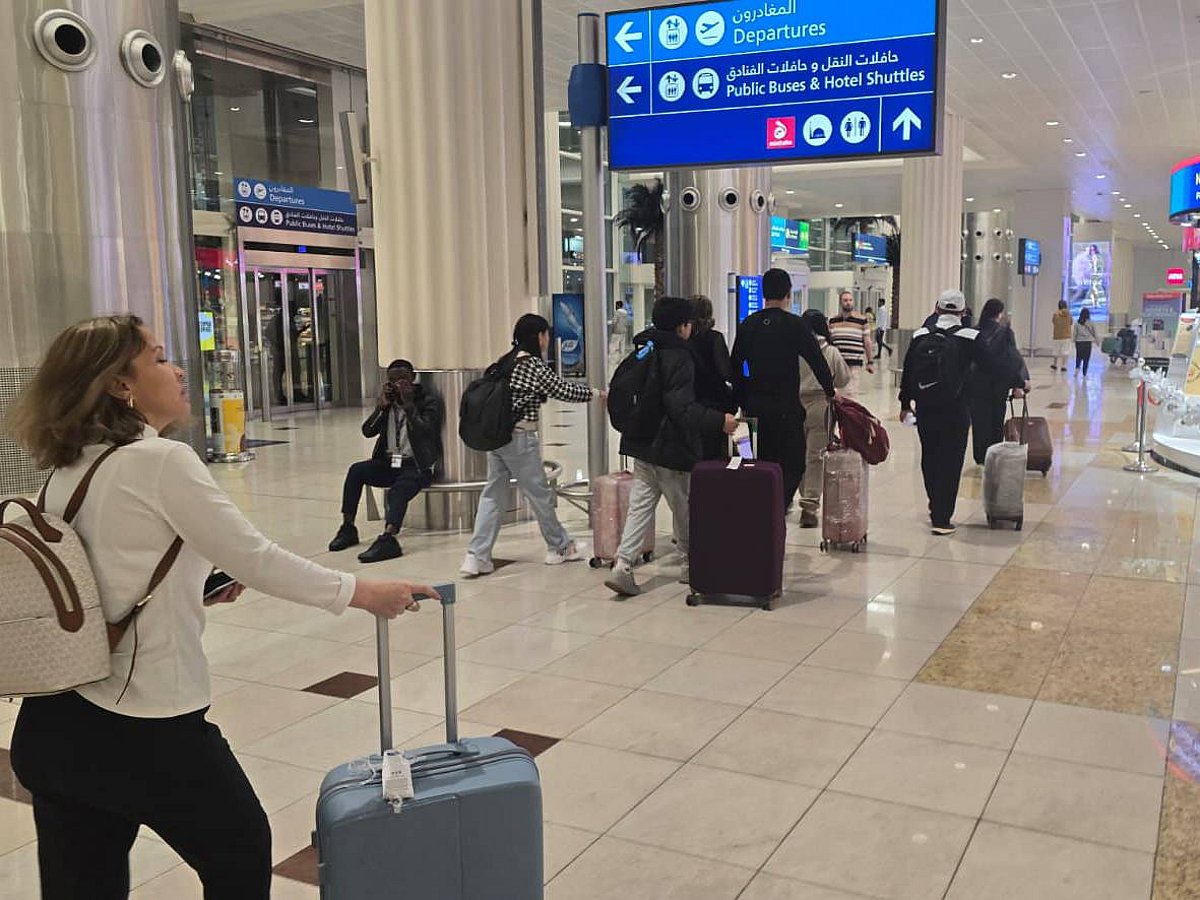
The article discusses widespread delays and cancellations at Dubai International Airport (DXB) due to severe weather conditions forecasted by the National Centre of Meteorology. These conditions, including heavy rainfall, thunderstorms, strong winds, and possible fog, are linked to the Al Bashayer low-pressure system. The airport’s flight status page early on December 19 showed numerous disruptions, highlighting the operational challenges faced by the airport as the unstable weather persists through Friday morning and further rain is possible over the weekend.
Key Points:
Actionable Takeaways:
Contextual Insights:
The article reflects the current challenges faced by the travel industry in managing severe weather disruptions, a trend exacerbated by climate change. The focus on operational challenges and the need for resilient infrastructure aligns with emerging trends in travel tech, such as predictive analytics and AI-driven decision-making. Thought leaders emphasize the importance of integrating technology to enhance operational efficiency and passenger experience. The article also underscores the significance of flexible policies and customer communication in maintaining trust and loyalty during disruptions, highlighting the role of fintech innovations in offering seamless travel solutions.
Read the Complete Article.
Get curated travel AI insights — choose the newsletters that matter to you.
This spot is reserved for brands with a compelling story for the travel trade. They use this space to cut...
Read moreDetailsTravel One Technologies launches the world’s first Traveler DNA Platform, targeting the structural data gap at the core of an...
Read moreDetails