









No products in the cart.
- Latest
- Trending

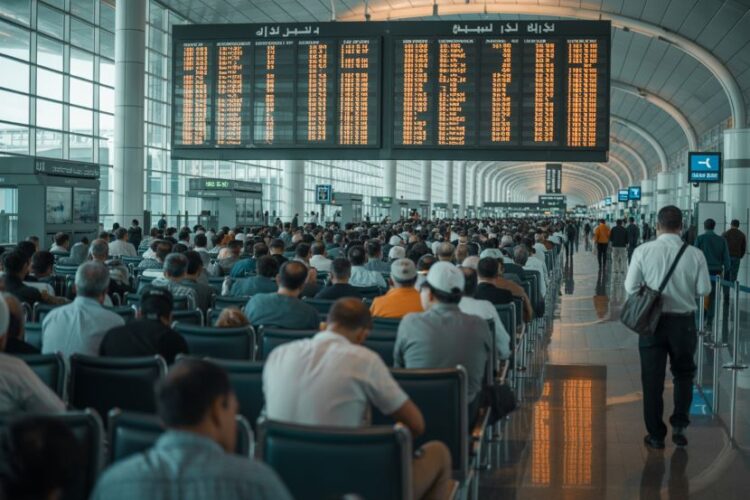
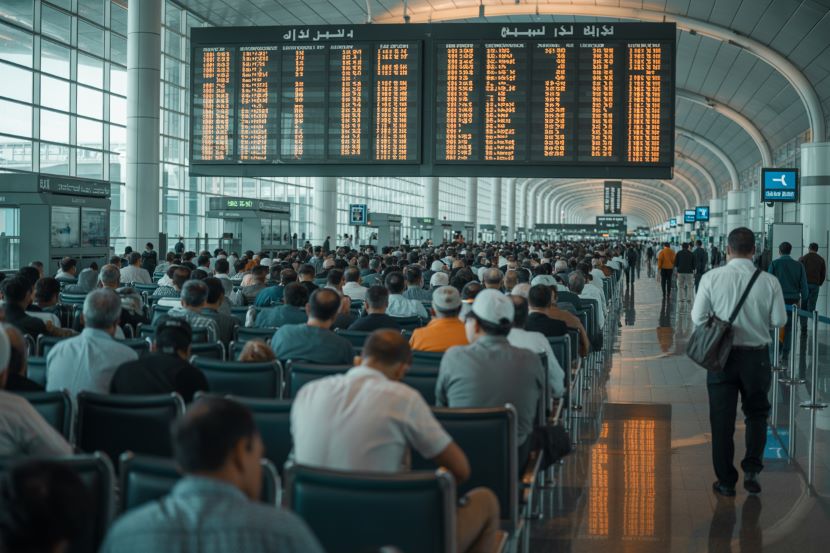
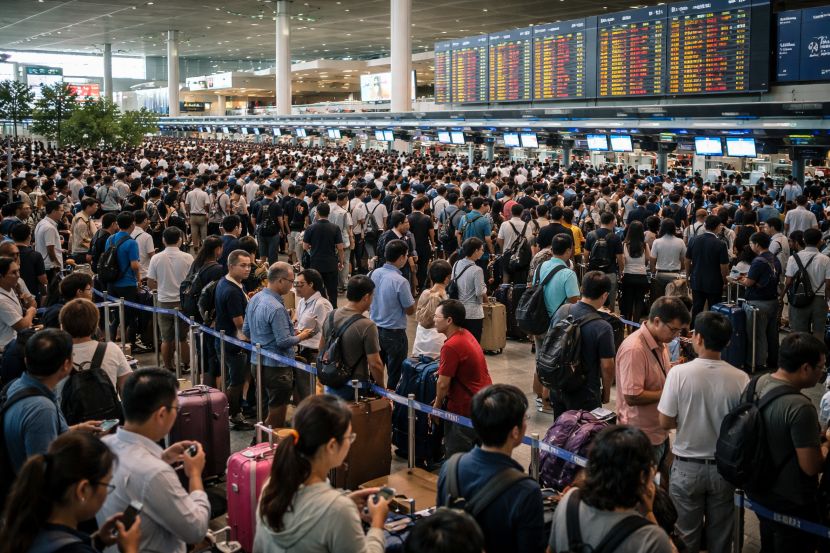
Dubai, Jeddah, Istanbul Grapple with 424 Delayed Flights and 11 Cancellations by FlyDubai, Saudia, E...
Article Summary:
The article reports on significant disruptions in air travel across three major airports in the Middle East and Europe: Dubai, Jeddah, and Istanbul. These disruptions are primarily due to a large number of flight delays and cancellations involving major airlines such as FlyDubai, Saudia, Etihad, and Turkish Airlines. The chaos has left many travelers stranded, highlighting the vulnerabilities in the current air travel infrastructure in these regions. The article underscores the need for improved operational efficiency and resilience in the face of such disruptions.
Key Points:
Actionable Takeaways:
Contextual Insights:
The disruptions in Dubai, Jeddah, and Istanbul reflect broader challenges faced by the global air travel industry, particularly in regions with high travel volumes. The article highlights the importance of technological advancements in managing air travel operations, a trend that is increasingly being adopted by leading airlines and airports. Innovations such as AI-driven predictive analytics and IoT-enabled tracking systems are becoming essential tools for airlines to enhance operational efficiency and improve passenger experience. Furthermore, the article underscores the growing importance of customer-centric strategies in travel, as disruptions can significantly impact brand reputation and customer loyalty. As the industry continues to evolve, embracing these technological advancements and customer-focused approaches will be crucial for maintaining competitiveness and ensuring smooth travel experiences.
Read the Complete Article.
Get curated travel AI insights — choose the newsletters that matter to you.
This spot is reserved for brands with a compelling story for the travel trade. They use this space to cut...
Read moreDetailsTravel One Technologies launches the world’s first Traveler DNA Platform, targeting the structural data gap at the core of an...
Read moreDetails