






No products in the cart.
- Latest
- Trending

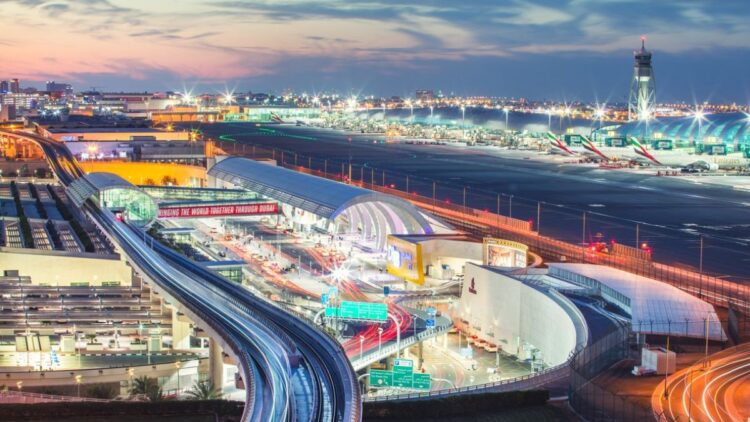
20+ DXB Flights By Emirates, flydubai & More, Delayed On Saturday Morning; Details Inside
Article Summary:
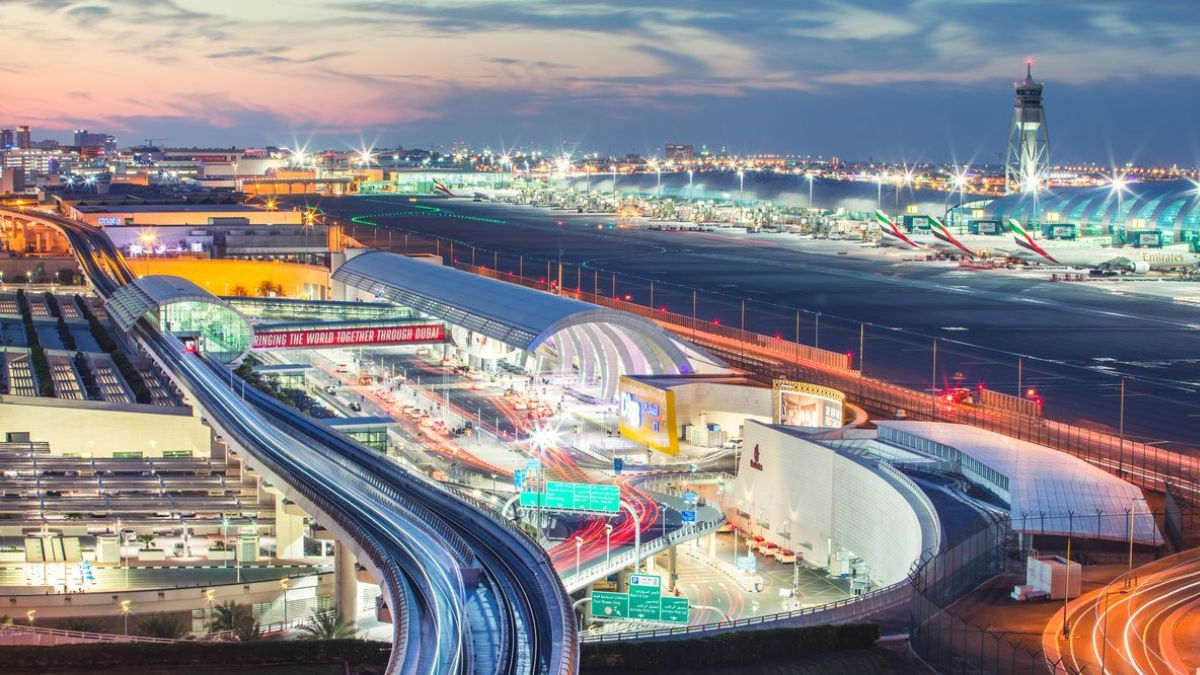
The article discusses the recent experience at Dubai International Airport (DXB) and Sharjah International Airport, where several flights were delayed due to dense early morning fog. This disruption affected both departures and arrivals, with delays lasting up to two hours. The article emphasizes the impact of weather conditions on airport operations and the broader travel industry.
Key Points:
Actionable Takeaways:
Contextual Insights:
The recent delays at DXB underscore the importance of weather resilience in the travel industry. As climate change leads to more unpredictable weather patterns, airports and airlines must adapt by investing in technology and processes that ensure operational continuity. This trend is part of a broader shift towards integrating advanced technologies in travel, such as AI-driven forecasting and automated passenger communication systems. These innovations not only improve safety and efficiency but also enhance the overall travel experience, aligning with the growing expectations of tech-savvy travelers. The incident also highlights the need for collaboration between airports, airlines, and regulatory bodies to develop standardized protocols for handling weather-related disruptions, ensuring a more resilient and responsive travel ecosystem.
Read the Complete Article.
Get curated travel AI insights — choose the newsletters that matter to you.
This spot is reserved for brands with a compelling story for the travel trade. They use this space to cut...
Read moreDetailsTravel One Technologies launches the world’s first Traveler DNA Platform, targeting the structural data gap at the core of an...
Read moreDetails