






No products in the cart.
- Latest
- Trending

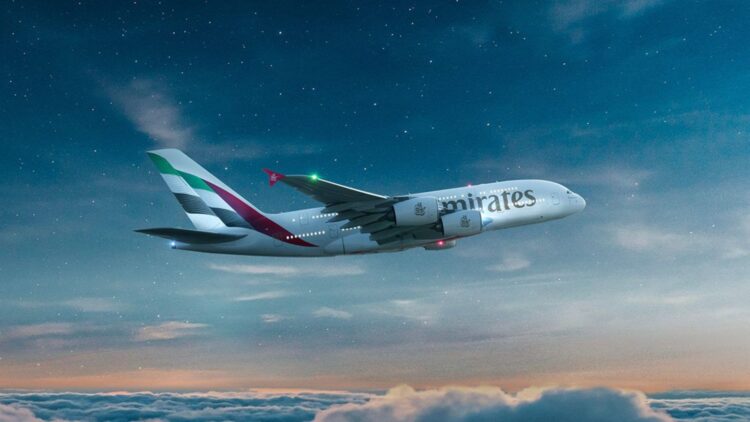
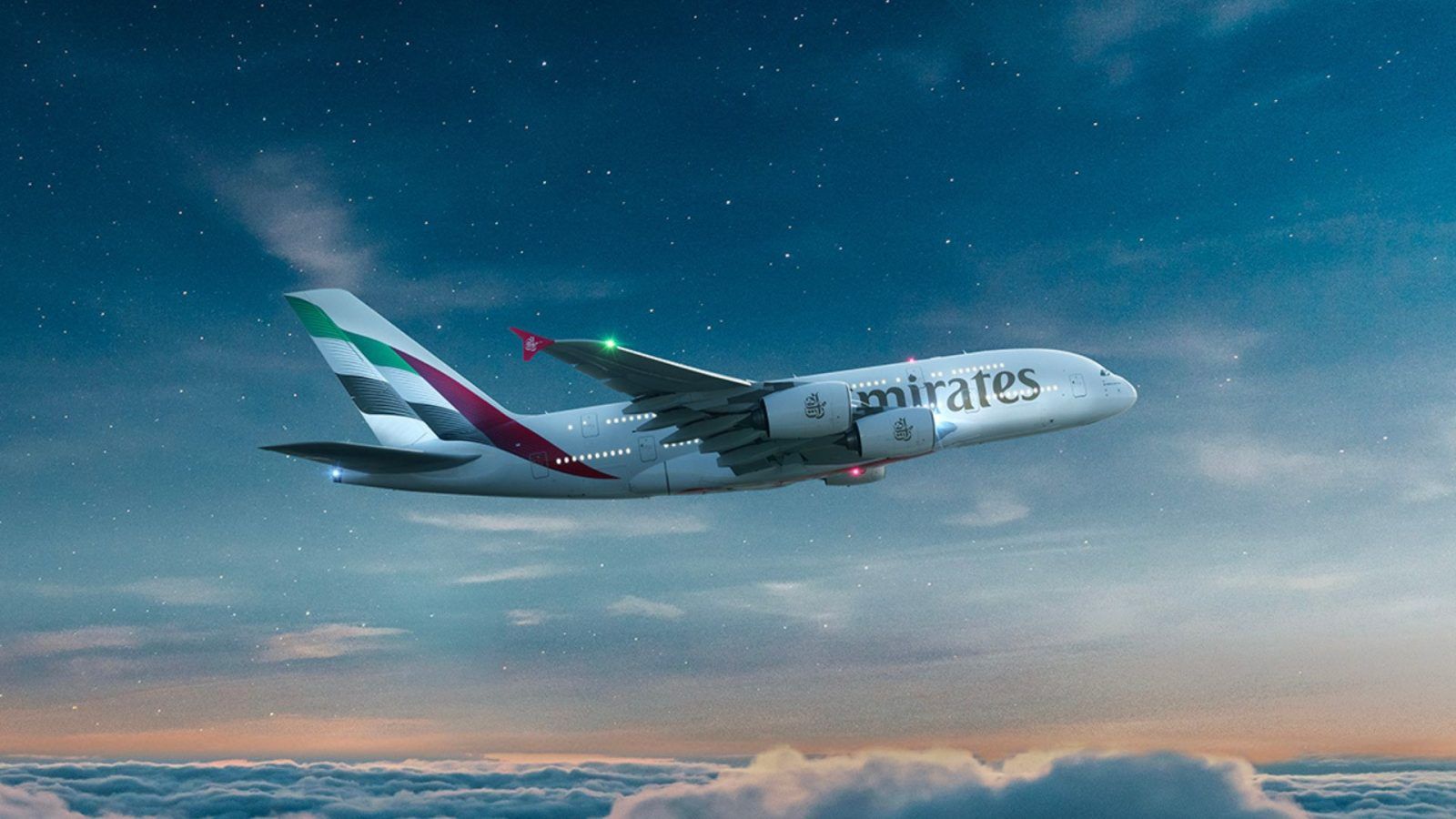
Image credit: Emirates/Facebook
Article Summary:
The article highlights significant disruptions in the travel industry due to heavy rain and thunderstorms in the UAE, particularly affecting Dubai. Emirates, a major airline, has reported a surge in flight cancellations and delays, impacting thousands of travelers. This situation underscores the vulnerability of the travel sector to adverse weather conditions and the need for robust contingency planning. The article also touches on broader travel trends, emphasizing the importance of adaptability and innovation in navigating such disruptions.
Key Points:
Flight Disruptions in Dubai: Heavy rain and thunderstorms have led to a significant increase in flight cancellations and delays in Dubai, affecting Dubai International Airport and Emirates’ operations.
Impact on Travelers: Thousands of travelers have been affected by the disruptions, highlighting the immediate challenges faced by the travel industry in managing weather-related issues.
Industry Vulnerability: The incident underscores the sector’s reliance on favorable weather conditions and the potential risks posed by extreme weather events to travel operations.
Need for Resilience: The article suggests a growing need for the travel industry to develop more resilient strategies, including better forecasting systems and flexible booking policies, to mitigate the impact of such disruptions.
Actionable Takeaways:
Implement Advanced Weather Forecasting Systems: Travel companies should invest in cutting-edge weather forecasting technologies to anticipate and mitigate the impact of severe weather events on flight schedules. This proactive approach can help in minimizing disruptions and improving customer satisfaction.
Flexible Booking Policies: Airlines and travel agencies should offer more flexible booking options, such as free rescheduling or partial refunds, to accommodate travelers affected by weather-related cancellations. This not only enhances customer loyalty but also provides a competitive edge in a volatile market.
Enhance Communication Protocols: Effective communication with travelers during disruptions is crucial. Airlines should establish clear and timely communication channels to keep passengers informed about flight status changes, ensuring transparency and trust.
Contextual Insights:
The recent disruptions in Dubai are indicative of a broader trend within the travel industry, where weather-related challenges are becoming increasingly common. As climate change continues to affect global weather patterns, the industry must adapt by investing in resilient infrastructure and technology. Thought leaders in the travel sector emphasize the importance of innovation in travel tech, such as AI-driven predictive analytics and blockchain for secure transaction management, to enhance operational resilience. These advancements not only address immediate challenges but also position companies to capitalize on emerging opportunities in the evolving travel landscape. By integrating these insights, the travel industry can better prepare for future uncertainties and maintain its competitive edge.
Read the Complete Article.
Get curated travel AI insights — choose the newsletters that matter to you.
This spot is reserved for brands with a compelling story for the travel trade. They use this space to cut...
Read moreDetailsTravel One Technologies launches the world’s first Traveler DNA Platform, targeting the structural data gap at the core of an...
Read moreDetails