






No products in the cart.
- Latest
- Trending

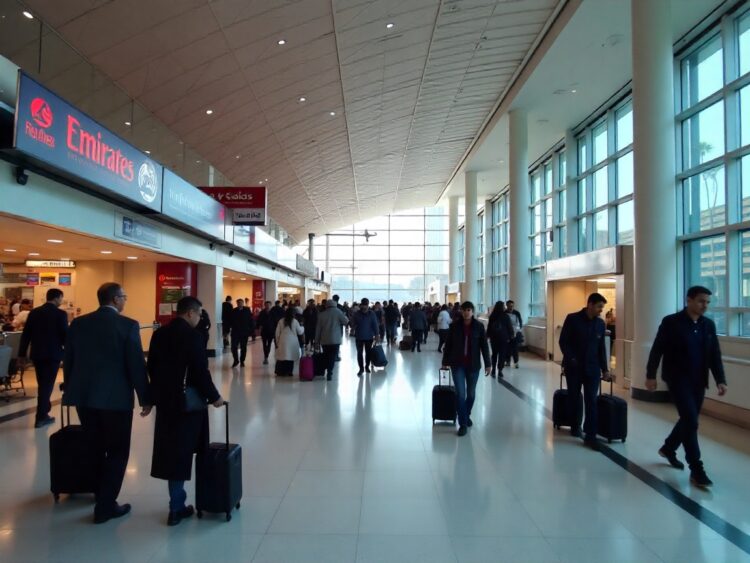
Emirates, FlyDubai, and Etihad Brace for January Travel Surge at DXB – What You NEED to Know to Beat...
Article Summary:
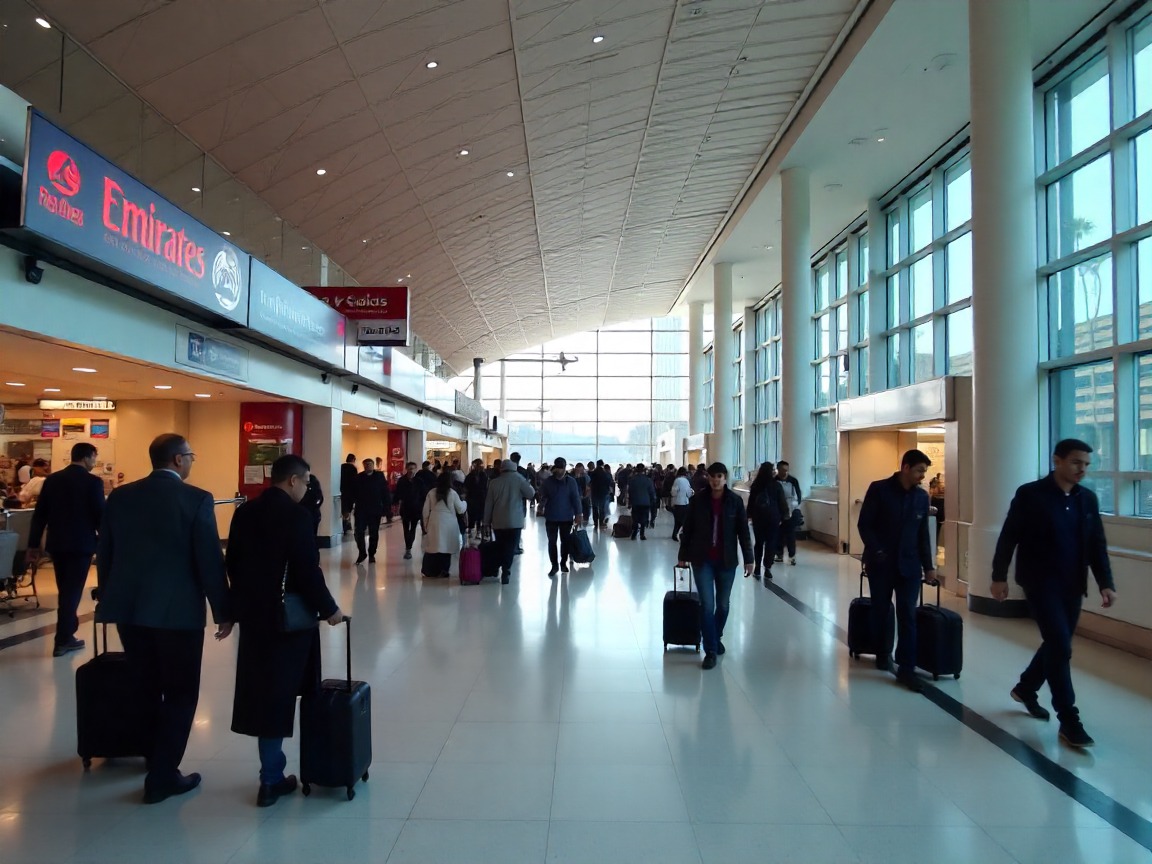
Emirates, FlyDubai, and Etihad are preparing for a significant increase in passenger traffic at Dubai International Airport (DXB) as the airport enters its busiest period in history. With over 3.4 million travelers expected to pass through DXB between January 1 and 11, 2026, the airport is implementing measures to handle the anticipated surge. This surge signals a major development in the travel industry, particularly in terms of airport capacity management and passenger flow optimization.
Key Points:
Actionable Takeaways:
Contextual Insights:
The article reflects the current state of the travel industry, where airports are facing unprecedented passenger volumes due to post-pandemic travel recovery. The surge in traffic at DXB underscores the need for airports to adapt to changing travel patterns and technological advancements. The focus on capacity management and passenger flow optimization is a reflection of broader industry trends, where efficiency and customer experience are paramount. This situation also highlights the importance of strategic resource allocation and customer-centric service delivery in maintaining competitive advantage in the travel sector.
Read the Complete Article.
Get curated travel AI insights — choose the newsletters that matter to you.
This spot is reserved for brands with a compelling story for the travel trade. They use this space to cut...
Read moreDetailsTravel One Technologies launches the world’s first Traveler DNA Platform, targeting the structural data gap at the core of an...
Read moreDetails