











No products in the cart.
- Latest
- Trending

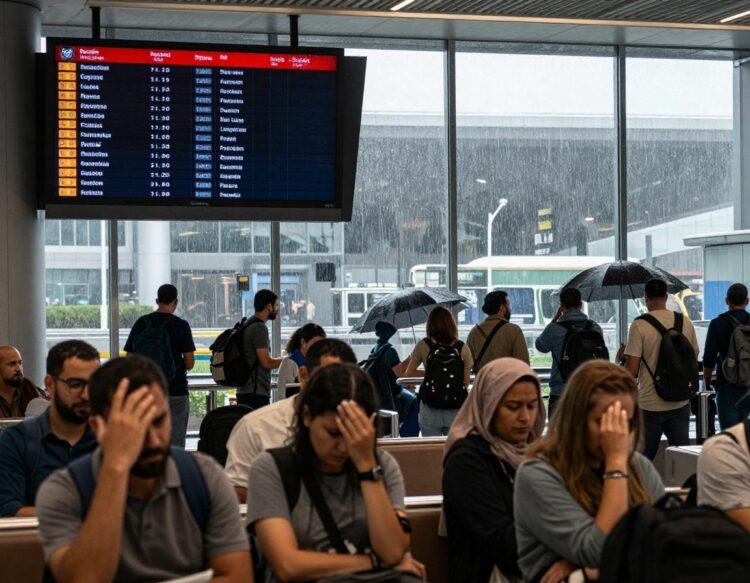
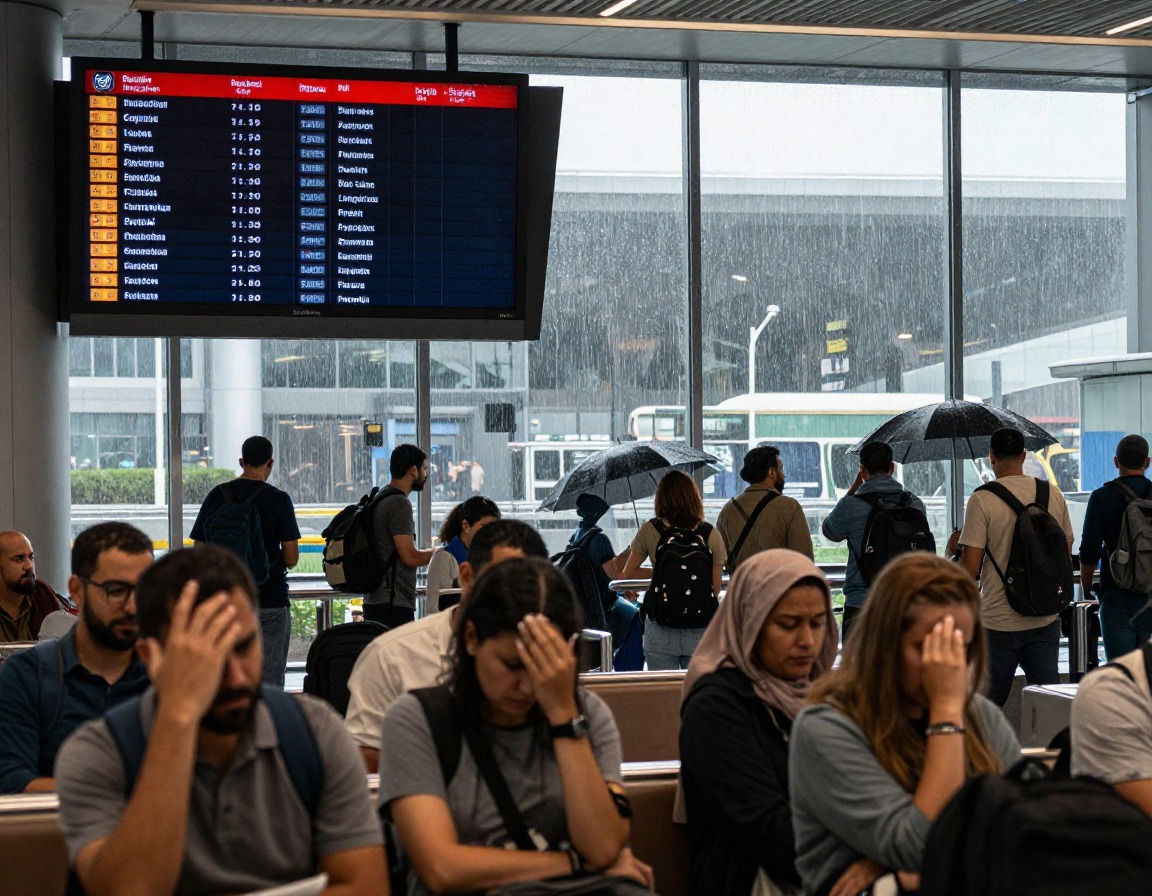
Emirates, Flydubai, and Qatar Airways Cancel Flights Amid Severe Storm Chaos at Dubai Airport — Are ...
Article Summary:
Emirates, Flydubai, and Qatar Airways have canceled numerous flights due to severe storm chaos at Dubai International Airport (DXB), one of the world’s busiest air travel hubs. The disruption highlights the vulnerability of global air travel to severe weather conditions and underscores the need for robust contingency planning in the aviation industry.
Key Points:
Actionable Takeaways:
Enhanced Weather Monitoring Systems: Airlines and airports should invest in advanced weather monitoring and predictive analytics systems to better anticipate and mitigate the impacts of severe weather disruptions. This can help in making informed decisions regarding flight operations and passenger communication.
Flexible Cancellation Policies: Airlines should consider implementing more flexible cancellation policies to accommodate unforeseen disruptions. This can help in retaining customer trust and loyalty during turbulent times.
Investment in Resilient Infrastructure: There is a need for airports to invest in resilient infrastructure that can withstand severe weather conditions. This includes upgrading runways, drainage systems, and other critical facilities to minimize the impact of future storms.
Contextual Insights:
The cancellation of flights at DXB due to severe storm chaos underscores the critical role of weather in shaping the travel industry. Recent trends indicate an increasing frequency and intensity of severe weather events, which pose significant challenges to the aviation sector. Thought leaders in the travel industry emphasize the importance of technological innovation and strategic planning to enhance resilience. For instance, the integration of AI-driven predictive analytics can provide airlines with real-time insights into weather patterns, enabling proactive decision-making. Additionally, the rise of sustainable aviation technologies presents an opportunity for the industry to not only improve operational resilience but also to reduce its environmental footprint. As the travel industry continues to evolve, staying ahead of emerging trends and leveraging technological advancements will be crucial in navigating future disruptions.
Read the Complete Article.
Get curated travel AI insights — choose the newsletters that matter to you.
This spot is reserved for brands with a compelling story for the travel trade. They use this space to cut...
Read moreDetailsTravel One Technologies launches the world’s first Traveler DNA Platform, targeting the structural data gap at the core of an...
Read moreDetails