







No products in the cart.
- Latest
- Trending

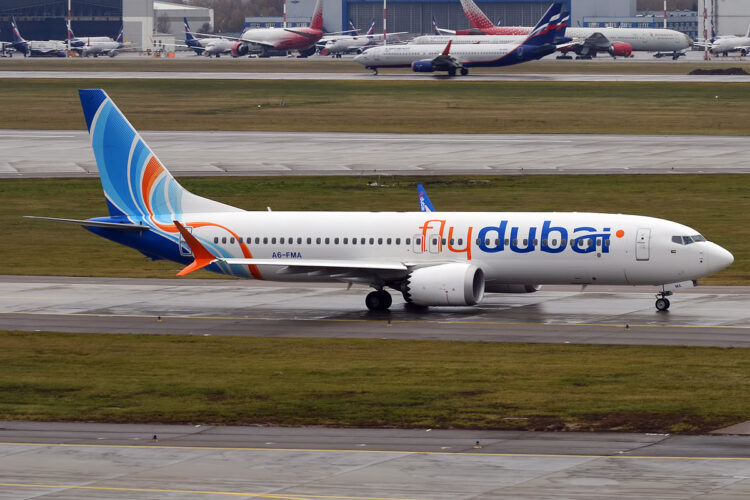
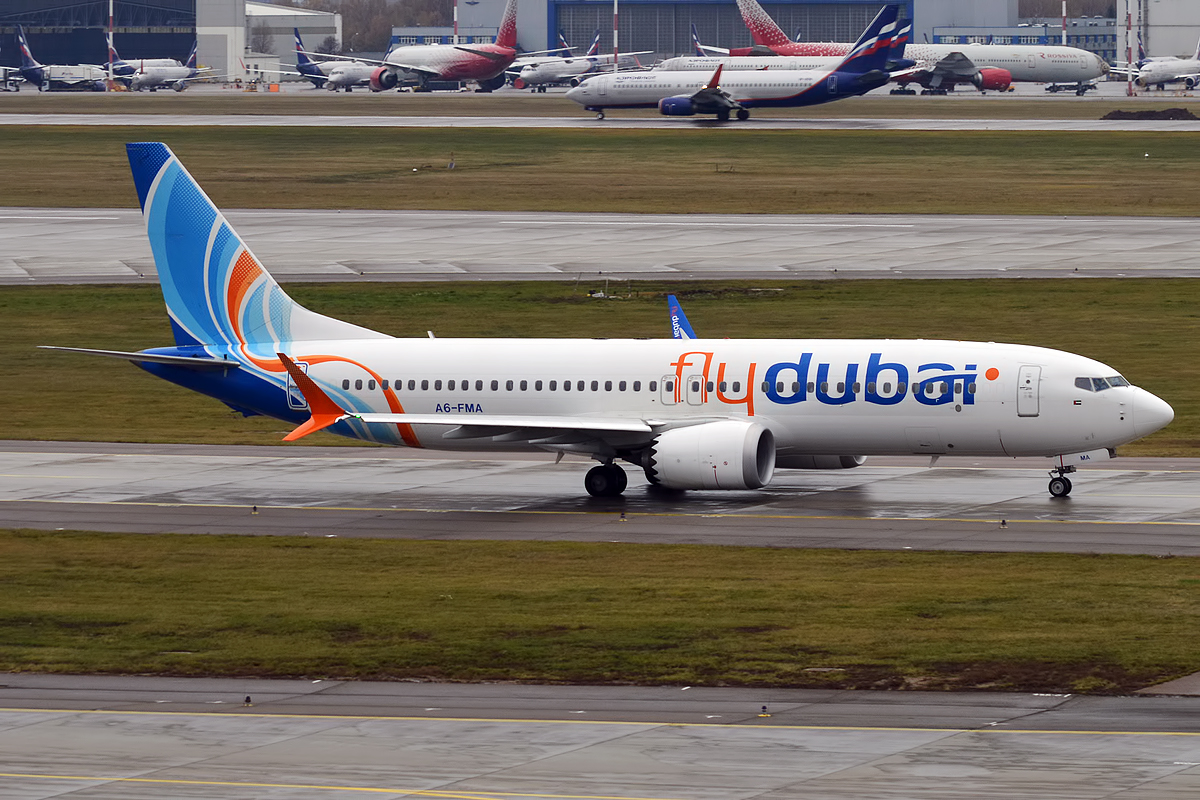
Photo: flydubai
Article Summary:
A flight operated by flydubai from Dubai to Moscow faced a two-hour delay due to an intoxicated Russian passenger causing disruptions during takeoff. The passenger began shouting for more alcohol, which prevented the crew from completing the final safety steps. The incident highlights the challenges of managing passenger behavior in the context of evolving travel trends and safety protocols.
Key Points:
Actionable Takeaways:
Enhanced Passenger Screening and Behavior Management: Implementing more robust passenger screening processes and behavior management strategies can help prevent disruptive incidents. This includes pre-flight checks for intoxication levels and clear communication of safety protocols to passengers.
Training for Crew on Dealing with Intoxicated Passengers: Providing comprehensive training for cabin crew on how to handle intoxicated passengers can improve response times and outcomes during such incidents. This training should include de-escalation techniques and clear protocols for reporting and managing such situations.
Contextual Insights:
The incident at flydubai highlights the ongoing challenges faced by airlines in managing passenger behavior, especially in a globalized and increasingly diverse travel environment. Recent trends indicate a growing emphasis on passenger safety and experience, with airlines investing in technology and training to enhance these areas. The rise of travel tech solutions, such as AI-driven behavior monitoring systems, could offer innovative ways to preemptively identify and manage disruptive passengers. Furthermore, the incident underscores the importance of regulatory frameworks that ensure airlines have the tools and authority to manage such situations effectively. As the travel industry continues to evolve, integrating these insights will be key to maintaining high standards of safety and service quality.
Read the Complete Article.
Get curated travel AI insights — choose the newsletters that matter to you.
This spot is reserved for brands with a compelling story for the travel trade. They use this space to cut...
Read moreDetailsTravel One Technologies launches the world’s first Traveler DNA Platform, targeting the structural data gap at the core of an...
Read moreDetails