




No products in the cart.
- Latest
- Trending

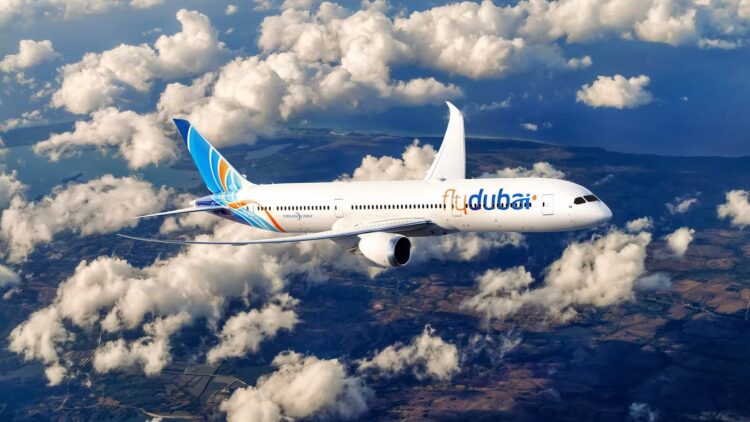
flydubai CEO Rejects North America Boeing 787 Flights
Article Summary:
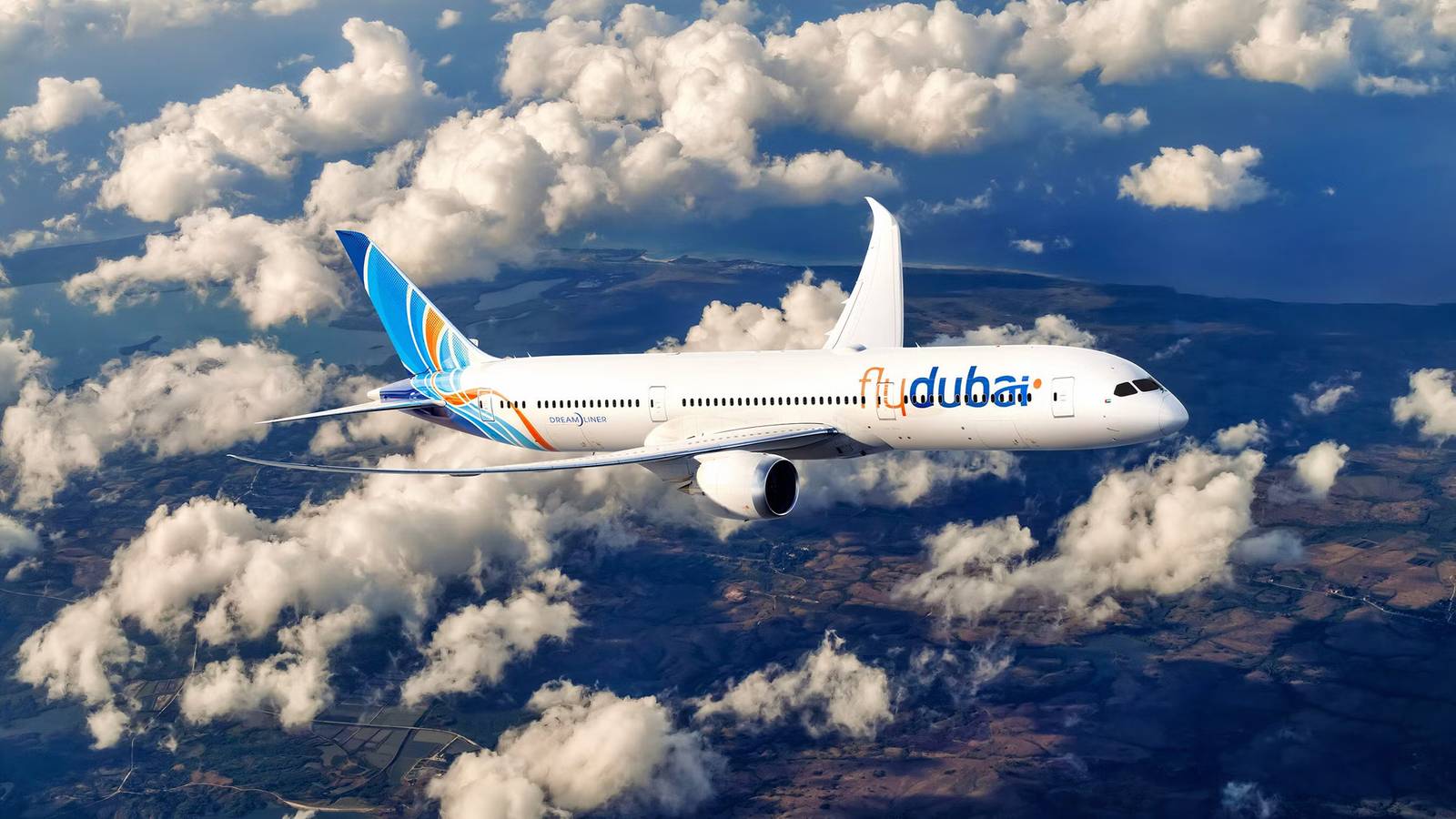
Flydubai has placed an order for 30 Boeing 787-9 aircraft, marking its sole widebody variant. This order signifies a significant transformation in the carrier’s network development, both in terms of its own map and in partnership with its parent company, Emirates. The article highlights the shift from a high-capacity, two-class configuration to a more flexible aircraft layout, reflecting the evolving travel industry trends.
Key Points:
Actionable Takeaways:
Contextual Insights:
The article’s focus on Flydubai’s strategic aircraft investment and its partnership with Emirates underscores the current industry trend towards strategic alliances and flexible fleet configurations. As travel demand evolves, carriers are increasingly adopting innovative approaches to optimize their operations and expand their networks. Flydubai’s move aligns with these trends, emphasizing the importance of adaptability and collaboration in the aviation sector. Furthermore, the choice of Boeing 787-9 aircraft highlights the ongoing preference for widebody jets, which offer a balance of capacity, fuel efficiency, and passenger comfort, reflecting broader industry preferences and technological advancements.
Read the Complete Article.
Get curated travel AI insights — choose the newsletters that matter to you.
This spot is reserved for brands with a compelling story for the travel trade. They use this space to cut...
Read moreDetailsTravel One Technologies launches the world’s first Traveler DNA Platform, targeting the structural data gap at the core of an...
Read moreDetails