








No products in the cart.
- Latest
- Trending

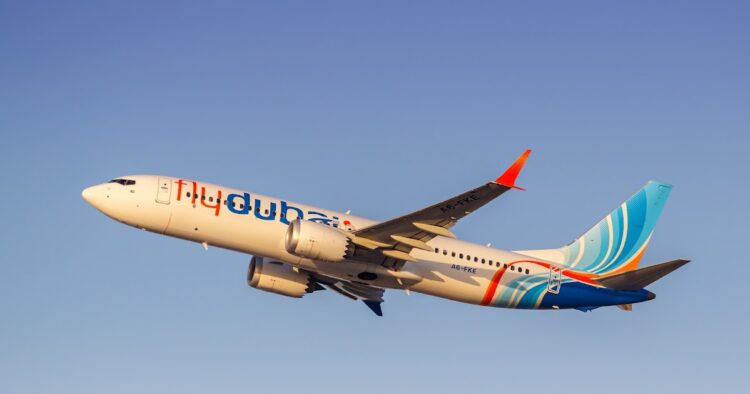
Flydubai boosts Ljubljana service
Article Summary:
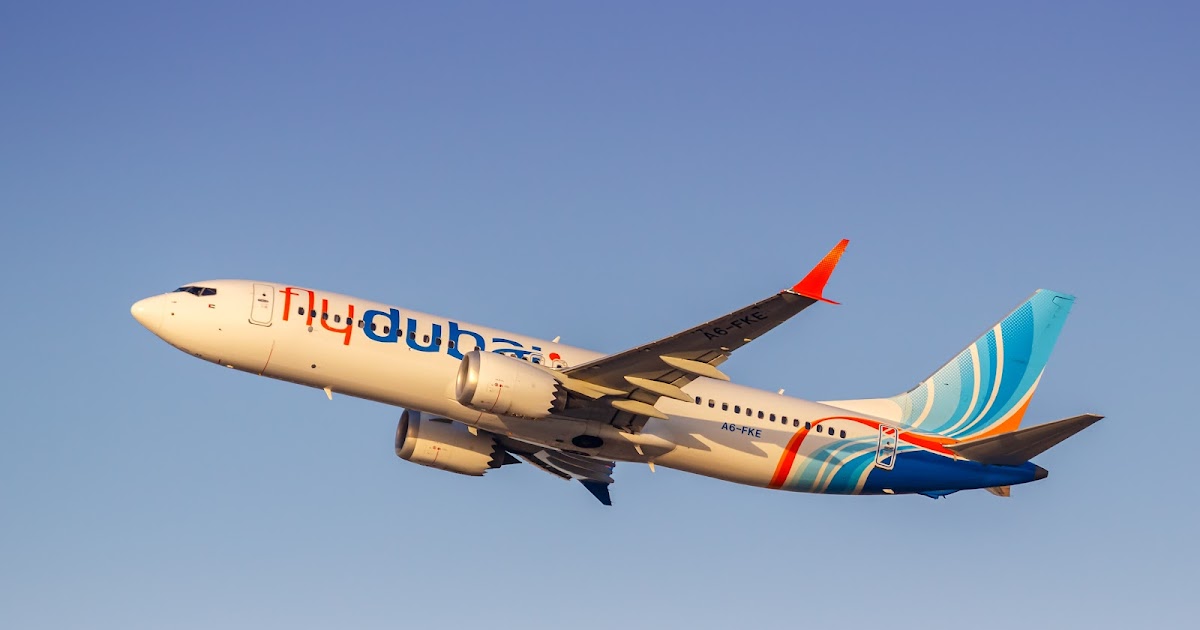
Flydubai plans to increase its weekly operations between its hub and Ljubljana, Slovenia, from four to five flights during the 2026 summer season. This addition will occur on Mondays, complementing the existing schedule of Wednesday, Friday, Saturday, and Sunday services. In the January – October period of 2025, Flydubai handled 48,058 passengers on its Ljubljana service, marking a year-on-year increase.
Key Points:
Actionable Takeaways:
Contextual Insights:
The article reflects the ongoing trend of airlines strategically adjusting their flight schedules to meet seasonal demand. In the travel industry, summer months often see a surge in travel activity, driven by vacations and leisure activities. Flydubai’s decision to add an additional weekly service aligns with this trend, aiming to capture a larger share of the market during high-demand periods. This move is particularly noteworthy in the context of the broader travel industry’s recovery post-pandemic, where airlines are increasingly focusing on expanding their networks and enhancing service offerings to attract more passengers.
Moreover, the article’s focus on Ljubljana, a key city in Slovenia, highlights the importance of regional connectivity in the travel industry. As travel becomes more accessible and affordable, airlines are leveraging strategic route expansions to tap into emerging markets. For thought leaders in the travel sector, this underscores the need for continuous market analysis and strategic planning to identify and capitalize on growth opportunities. The insights from Flydubai’s operational adjustments can inform broader industry trends, such as the increasing importance of summer travel and the role of regional hubs in connecting global markets.
Read the Complete Article.
Get curated travel AI insights — choose the newsletters that matter to you.
This spot is reserved for brands with a compelling story for the travel trade. They use this space to cut...
Read moreDetailsTravel One Technologies launches the world’s first Traveler DNA Platform, targeting the structural data gap at the core of an...
Read moreDetails