






No products in the cart.
- Latest
- Trending

AeroTime
Article Summary:
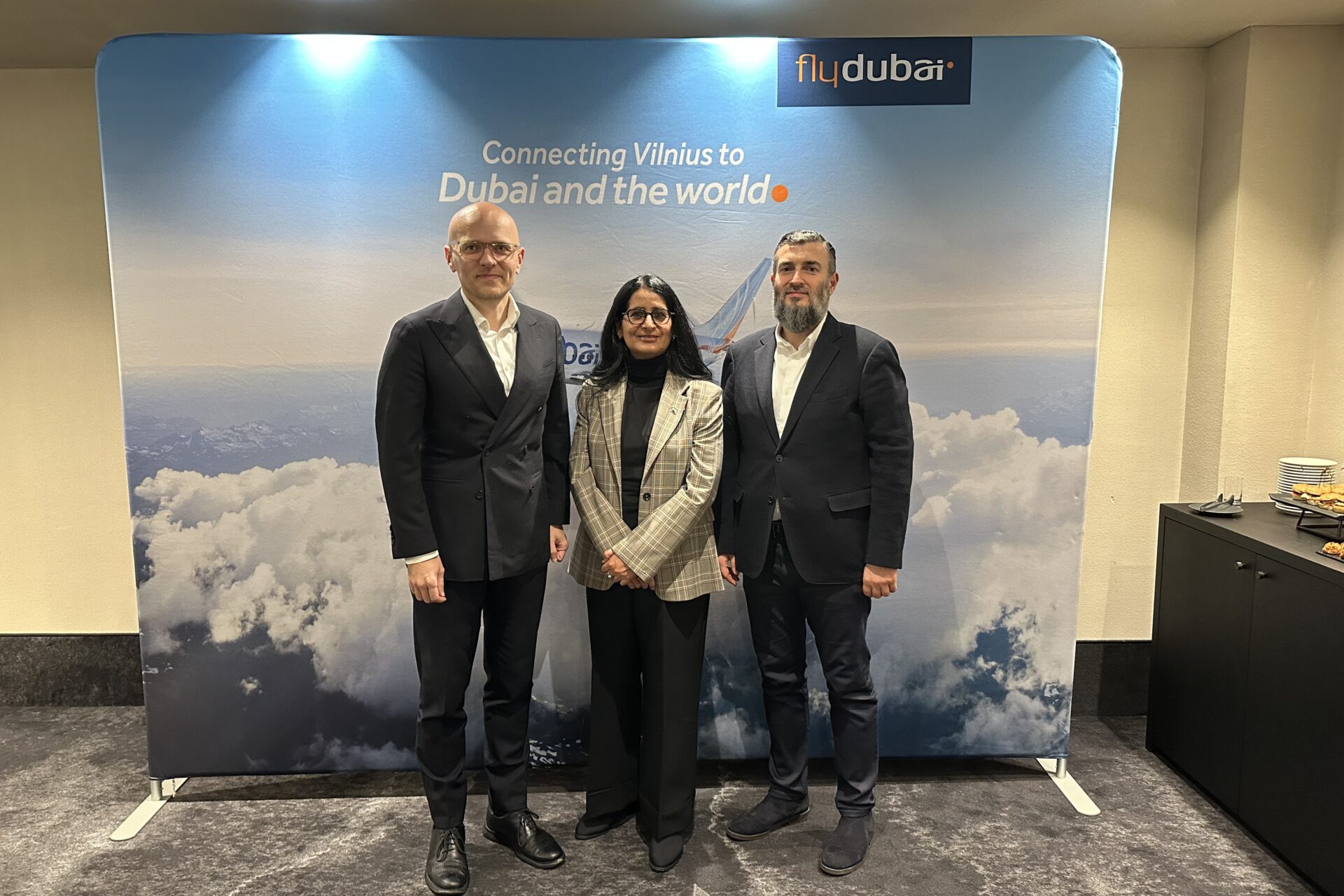
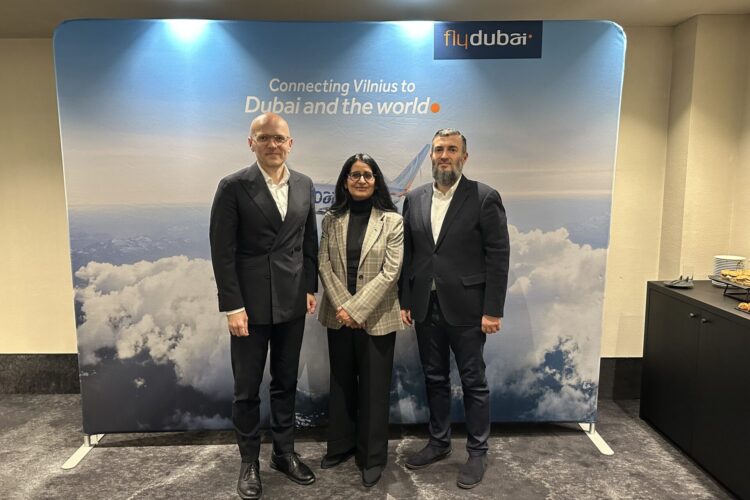
Flydubai is set to launch its first direct service from Vilnius, Lithuania, to Dubai, United Arab Emirates (UAE), marking one of the longest new nonstop flights available from Vilnius. The inaugural flight is scheduled to take off on December 11, 2025, and will operate three times per week year-round using Boeing 737 MAX aircraft for a six-hour trip. On December 12, 2025, the same route will be launched from Riga.
Key Points:
Actionable Takeaways:
Contextual Insights:
The launch of Flydubai’s new route from Vilnius to Dubai reflects broader trends in the travel industry towards expanding connectivity and accessibility, particularly in regions that were previously underserved. This development is particularly relevant in the context of post-pandemic travel recovery, where airlines are focusing on rebuilding routes and schedules to meet growing demand. The use of Boeing 737 MAX aircraft also underscores the industry’s ongoing shift towards more fuel-efficient and technologically advanced aircraft, which is a key consideration for airlines aiming to balance operational costs with environmental sustainability. For the travel industry, this could mean increased competition for routes and a greater emphasis on offering seamless, tech-driven travel experiences to attract and retain customers.
Read the Complete Article.
Get curated travel AI insights — choose the newsletters that matter to you.
This spot is reserved for brands with a compelling story for the travel trade. They use this space to cut...
Read moreDetailsTravel One Technologies launches the world’s first Traveler DNA Platform, targeting the structural data gap at the core of an...
Read moreDetails