






No products in the cart.
- Latest
- Trending


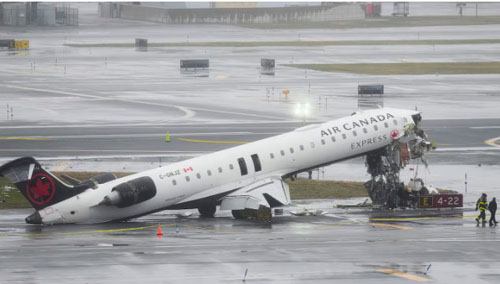
Flydubai plane grounded after being struck by oil bowser at VIA
Article Summary:
A Flydubai aircraft was grounded at Velana International Airport after being struck by an oil bowser while parked on the apron. The incident, reported by Aviators Maldives, caused damage to the plane’s wing structure. Importantly, no fuel was spilled, and there were no reported injuries. The aircraft will remain out of service until repairs are completed and it meets regulatory standards.
Key Points:
Actionable Takeaways:
Contextual Insights:
The incident at Velana International Airport highlights ongoing challenges in airport operations, particularly concerning ground staff and equipment handling. It reflects broader trends in the travel industry, such as the increasing emphasis on safety and regulatory compliance. As the industry continues to evolve, with advancements in technology and operational efficiencies, incidents like these serve as critical reminders of the need for continuous improvement in safety measures. Furthermore, the grounding of the aircraft may prompt discussions within the industry about the role of technology in preventing such incidents, such as automated systems for monitoring and preventing unauthorized access to aircraft. This aligns with current travel trends focusing on innovation and safety in travel tech, suggesting that startups and established companies alike are likely to invest in solutions that enhance operational safety and efficiency.
Read the Complete Article.
Get curated travel AI insights — choose the newsletters that matter to you.
This spot is reserved for brands with a compelling story for the travel trade. They use this space to cut...
Read moreDetailsTravel One Technologies launches the world’s first Traveler DNA Platform, targeting the structural data gap at the core of an...
Read moreDetails