



No products in the cart.
- Latest
- Trending

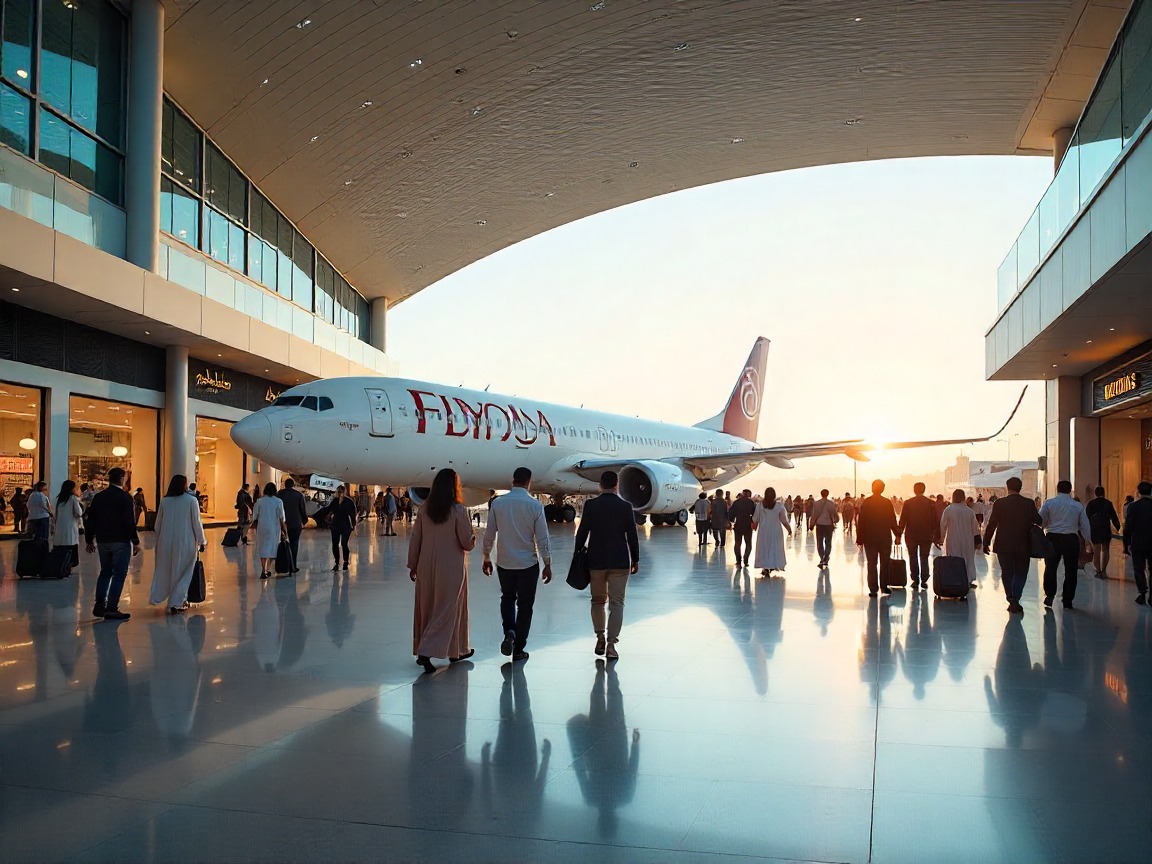
Flynas, FlyDubai, Air Arabia, and Jazeera Airways Revolutionize Middle East Air Travel, Affordable F...
Article Summary:
Flynas, FlyDubai, Air Arabia, and Jazeera Airways have significantly transformed Middle East air travel by making affordable flights the new standard. This shift has sparked a tourism and hospitality boom across the region, altering the aviation landscape and setting new benchmarks for cost-effective air travel.
Key Points:
Actionable Takeaways:
Contextual Insights:
The introduction of low-cost carriers in the Middle East reflects broader trends in the global travel industry, where cost efficiency and accessibility are becoming increasingly important. This development aligns with the growing trend of digital transformation in travel, where technology plays a crucial role in enhancing operational efficiency and customer satisfaction. As these LCCs continue to expand, they are likely to influence other regions, prompting a shift towards more affordable and accessible air travel globally. Furthermore, the economic impact of this trend highlights the interconnectedness of the travel, tourism, and hospitality sectors, suggesting that policies and investments in these areas should be aligned to capitalize on the opportunities presented by the affordability of air travel.
Read the Complete Article.
Get curated travel AI insights — choose the newsletters that matter to you.
This spot is reserved for brands with a compelling story for the travel trade. They use this space to cut...
Read moreDetailsTravel One Technologies launches the world’s first Traveler DNA Platform, targeting the structural data gap at the core of an...
Read moreDetails