









No products in the cart.
- Latest
- Trending

Hundreds Of Passengers Stranded Around Jordan Today As Amman’s Queen Alia International Airport Canc...
Comprehensive Summarization:
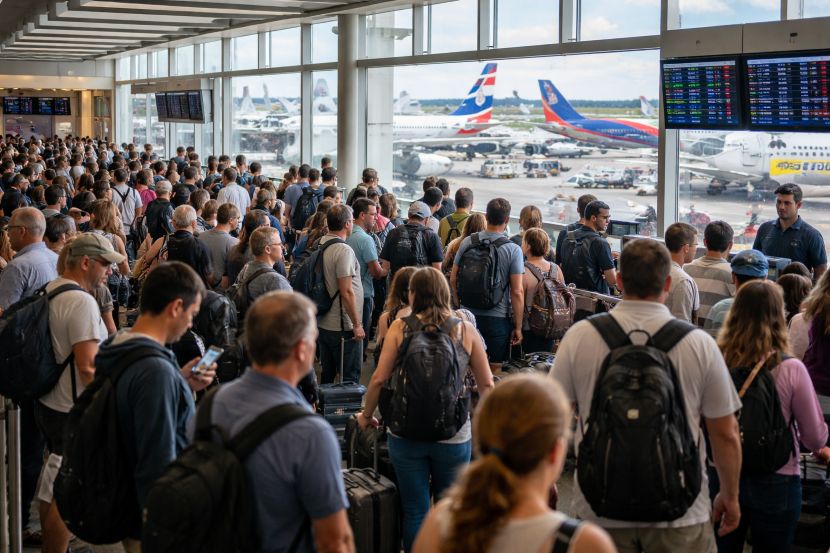
The article reports on significant disruptions at Queen Alia International Airport in Amman, Jordan, where 29 flights were delayed and 7 were canceled on March 25, 2026. This disruption affected major airlines including Royal Jordanian, Qatar Airways, Emirates, Flydubai, Turkish Airlines, and others. The article highlights the operational challenges faced by the airport, impacting numerous travelers’ plans. Despite the challenges, the airport continues to operate, maintaining essential air connectivity in Jordan. The disruption underscores the vulnerability of air travel to operational issues and the need for robust contingency planning in the travel industry.
Key Points:
Actionable Takeaways:
Enhanced Operational Resilience: The disruption at Queen Alia International Airport underscores the importance of operational resilience in the travel industry. Airlines and airports should invest in contingency planning and real-time communication systems to minimize the impact of such disruptions on travelers. This includes having backup staff, flexible scheduling, and transparent communication channels to manage passenger expectations effectively.
Focus on Customer Communication: Effective communication during disruptions is crucial. Airlines and airports should prioritize clear, timely, and transparent communication with affected passengers. This includes providing updates on flight status, offering alternative travel options, and assisting with rebooking or refunds. Such practices can enhance customer satisfaction and loyalty, even in challenging operational scenarios.
Contextual Insights:
The disruption at Queen Alia International Airport is a reminder of the vulnerabilities inherent in air travel operations. The article reflects broader industry trends where weather, technical issues, or other operational challenges can lead to significant disruptions. In the current travel landscape, characterized by increasing global connectivity and competition among airlines, such incidents are not uncommon. However, they highlight the need for continuous improvement in airport operations, technological integration, and customer service strategies.
Looking ahead, the travel industry is likely to see further advancements in technology aimed at improving operational efficiency and passenger experience. Innovations such as AI-driven predictive maintenance, real-time flight tracking, and enhanced communication platforms will play a crucial role in mitigating the impact of disruptions. Additionally, the emphasis on sustainability and eco-friendly practices in aviation operations is expected to grow, influencing airport infrastructure and airline policies.
In summary, while the disruption at Queen Alia International Airport presents immediate challenges, it also serves as a catalyst for the industry to adopt more resilient and customer-centric strategies. By focusing on operational resilience, effective communication, and leveraging technological advancements, the travel industry can better navigate future disruptions and enhance the overall travel experience for passengers.
Read the Complete Article.
Get curated travel AI insights — choose the newsletters that matter to you.
This spot is reserved for brands with a compelling story for the travel trade. They use this space to cut...
Read moreDetailsALTOUR Expands into Thailand, Strengthening Corporate Travel Network Across Southeast Asia BANGKOK, THAILAND (25 March, 2026) – ALTOUR, a leading...
Read moreDetails