Comprehensive Summarization:
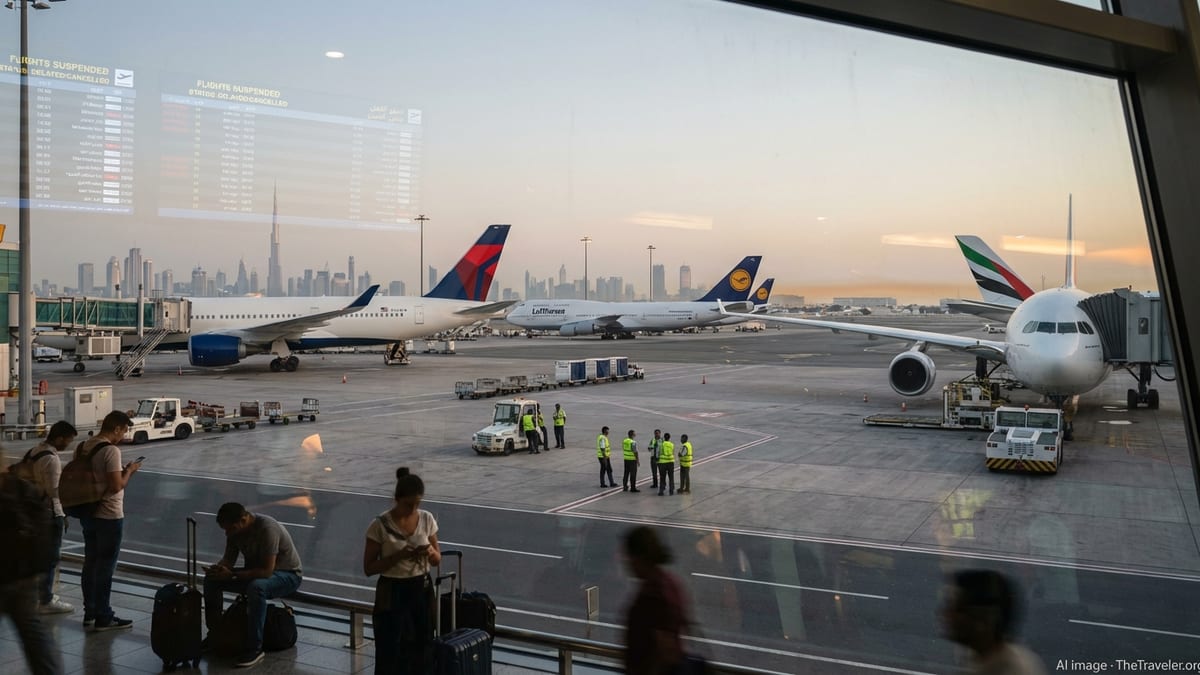
On April 8, a cluster of cancellations and delays affected dozens of Middle East travelers, disrupting air links from Abu Dhabi to Cairo and Kabul. The cancellations impacted Royal Jordanian, EgyptAir, and flydubai, leaving numerous passengers stranded in airport terminals across these key Middle Eastern destinations. The article highlights the significant disruption to regional air travel, emphasizing the challenges faced by travelers and the broader implications for the travel industry in the region.
Key Points:
- Disruptions to Regional Air Travel: The article reports on widespread cancellations and delays involving Royal Jordanian, EgyptAir, and flydubai, affecting travelers traveling between Abu Dhabi, Cairo, and Kabul.
- Impact on Travelers: Dozens of Middle East travelers were left stranded in airport terminals, highlighting the significant inconvenience caused by the cancellations and delays.
- Affected Airlines: The disruptions were specifically caused by Royal Jordanian, EgyptAir, and flydubai, indicating a targeted impact on these airlines’ operations in the region.
- Geographical Scope: The cancellations and delays spanned across Abu Dhabi, Cairo, and Kabul, showcasing the widespread nature of the disruptions in the Middle East.
Actionable Takeaways:
-
Enhanced Travel Insurance and Support Services: Given the disruptions faced by travelers, there is an actionable takeaway to enhance travel insurance offerings and support services. Travel companies can provide comprehensive coverage and dedicated assistance to mitigate the impact of such disruptions on passengers, ensuring they receive timely support and compensation.
-
Strategic Partnerships and Collaboration: The article underscores the importance of strategic partnerships among airlines operating in the region. Collaborative efforts can help in managing disruptions more effectively, sharing resources, and ensuring smoother operations during crises. This could involve joint contingency planning and real-time communication to manage passenger expectations and minimize inconvenience.
-
Investment in Resilient Airline Operations: The disruptions highlight the need for airlines to invest in resilient operations, including robust contingency plans and flexible scheduling. By adopting advanced technologies and predictive analytics, airlines can better anticipate and mitigate potential disruptions, ensuring a more reliable travel experience for passengers.
Contextual Insights:
The recent cluster of cancellations and delays in the Middle East travel sector reflect broader challenges faced by the aviation industry in maintaining operational stability amidst geopolitical tensions and logistical complexities. The disruptions underscore the vulnerability of air travel to external factors, such as conflicts and strikes, which can significantly impact regional connectivity. From a forward-looking perspective, the article suggests a growing need for the travel industry to innovate and adapt to such challenges. This includes leveraging technology for real-time tracking and communication, enhancing customer support mechanisms, and fostering stronger partnerships among airlines to ensure resilience and reliability in travel services. As the industry continues to evolve, these insights can guide strategic decisions aimed at improving operational efficiency and passenger satisfaction in the face of unforeseen disruptions.
Read the Complete Article.