










No products in the cart.
- Latest
- Trending


Qatar Airways Joins Emirates, Etihad, FlyDubai, and Saudia All Face Major Emergency Landings: As New...
Article Summary:
The article reports on a series of emergency landings at King Khalid International Airport (KKIA) in Riyadh, Saudi Arabia, between January 2022 and December 2025. These incidents, which include a cargo undershoot, a false warning, a security scare, a bomb threat, and a medical emergency, highlight the rare but significant nature of such events at the key hub for Saudi Arabia’s capital. The article underscores the importance of robust emergency protocols and the resilience of the aviation industry in handling unforeseen situations.
Key Points:
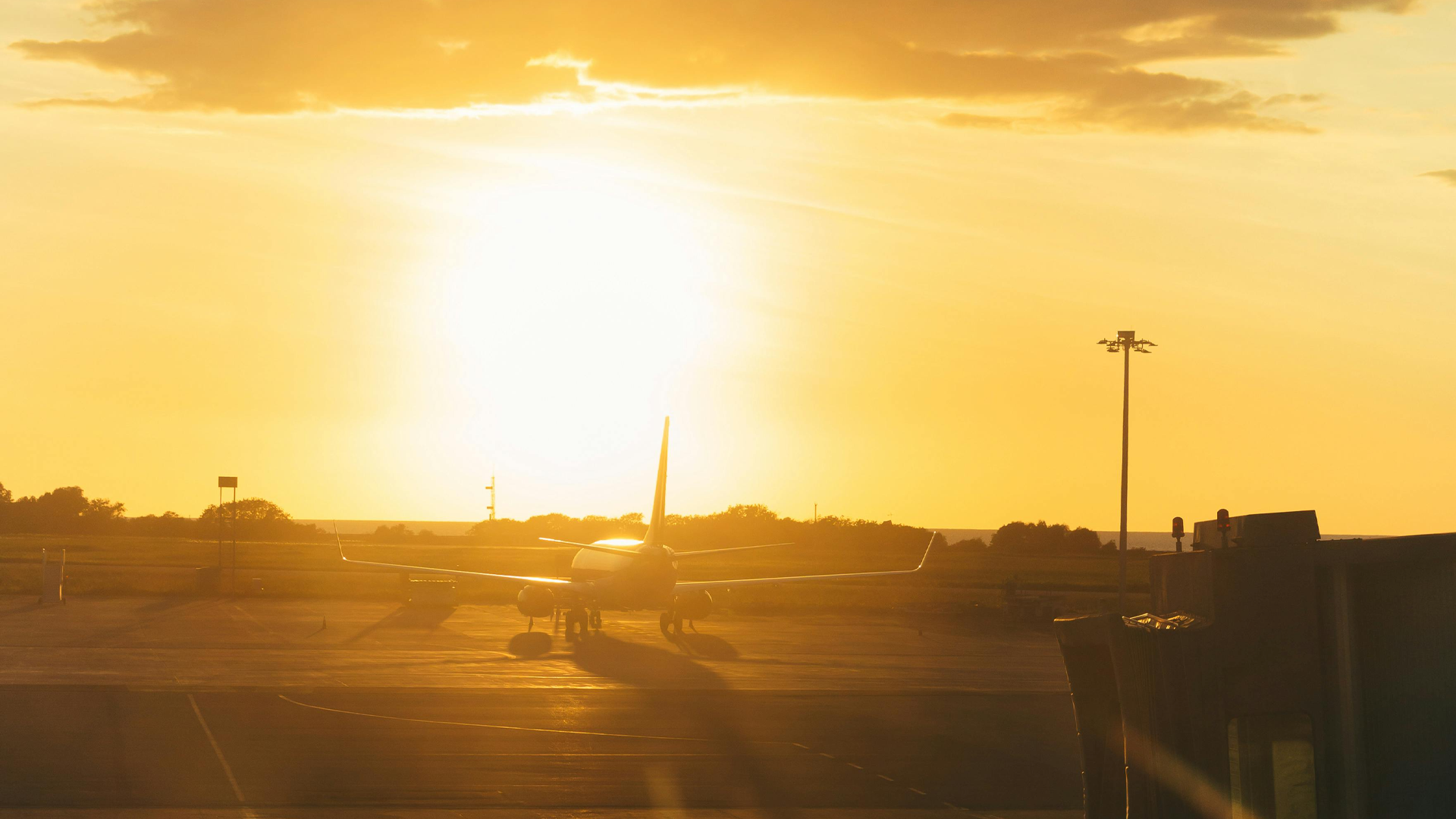
Emergency Landings at KKIA: Between 2022 and 2025, several flights made unscheduled landings at KKIA due to various emergencies, including a cargo undershoot, a false warning, a security scare, a bomb threat, and a medical emergency.
Location Significance: KKIA is a critical hub for Saudi Arabia’s capital, Riyadh, emphasizing the airport’s strategic importance in the region’s aviation network.
Variety of Incidents: The emergencies range from technical issues (cargo undershoot) to security concerns (bomb threat), indicating a broad spectrum of potential risks faced by the airline operations at KKIA.
Industry Context: Despite the rarity of such incidents, they underscore the need for robust emergency response protocols and the resilience of the aviation industry in managing unexpected situations.
Actionable Takeaways:
Enhance Emergency Protocols: Airlines and airports should continuously review and enhance their emergency response protocols to ensure quick and effective handling of unforeseen situations. This includes regular training for staff and updating emergency response plans to address a wider range of potential incidents.
Invest in Advanced Monitoring Systems: Implementing advanced monitoring and tracking systems can help detect and mitigate potential emergencies before they escalate. This could include real-time communication systems, enhanced surveillance, and predictive analytics to anticipate and prevent issues.
Strengthen Security Measures: Given the presence of security scares and bomb threats, airlines and airports should invest in state-of-the-art security technologies and protocols. This includes upgrading security personnel training, deploying advanced threat detection systems, and fostering collaboration with local law enforcement for rapid response capabilities.
Contextual Insights:
The occurrence of emergency landings at KKIA highlights the dynamic and unpredictable nature of the aviation industry. While such incidents are rare, they underscore the critical importance of preparedness and resilience in aviation operations. The article aligns with current industry trends emphasizing the need for technological innovation and robust operational protocols to ensure safety and efficiency. As the travel industry continues to evolve, with increasing focus on safety and technological advancements, airports like KKIA serve as vital case studies for best practices in emergency management and operational resilience. The insights from this incident can inform broader industry strategies, particularly in the areas of safety, security, and technological integration, thereby shaping the future of air travel.
Read the Complete Article.
Get curated travel AI insights — choose the newsletters that matter to you.
This spot is reserved for brands with a compelling story for the travel trade. They use this space to cut...
Read moreDetailsTravel One Technologies launches the world’s first Traveler DNA Platform, targeting the structural data gap at the core of an...
Read moreDetails