









No products in the cart.
- Latest
- Trending

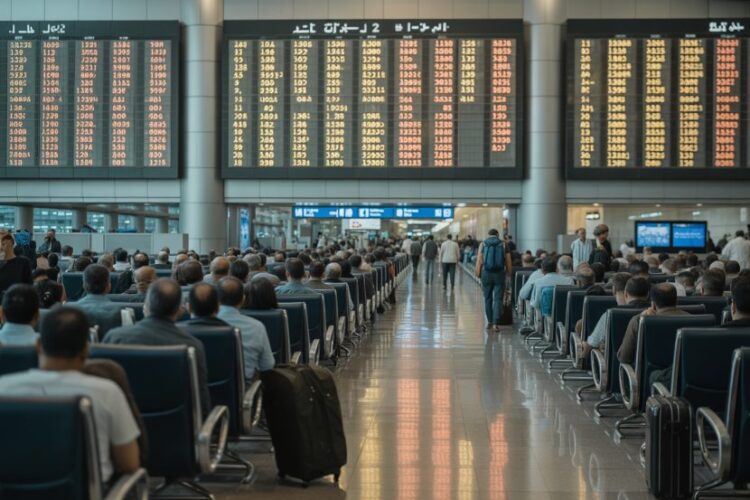
Saudi Arabia and UAE Travel Chaos as Saudia, Flydubai, and Other Airlines Cancel 13 Flights and Caus...
Article Summary:
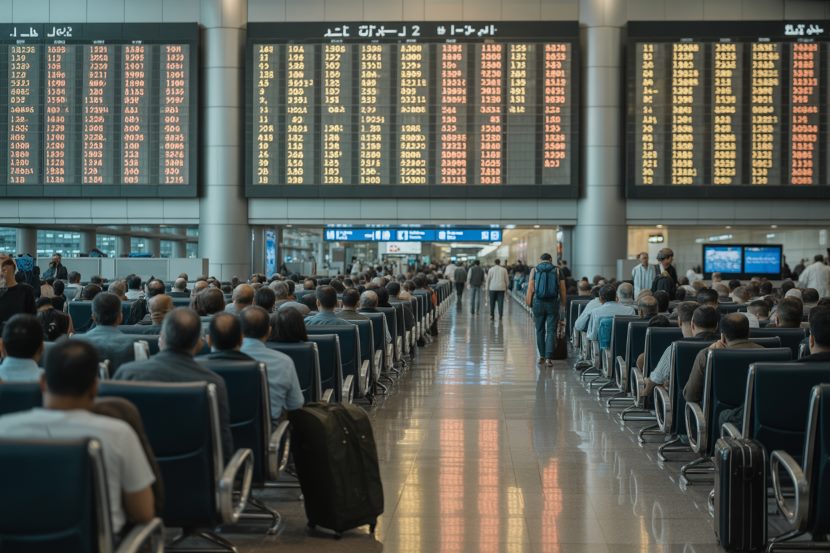
On December 24, 2025, Saudi Arabia and the UAE experienced significant travel disruptions as major airlines, including Saudia and Flydubai, canceled 13 flights and caused delays to 80 others. This chaos affected key airports in Riyadh, Jeddah, Dammam, Dubai, and other destinations, stranding numerous passengers across these regions. The article highlights the operational challenges faced by the travel industry in these regions, emphasizing the need for improved resilience and contingency planning.
Key Points:
Actionable Takeaways:
Contextual Insights:
The disruptions in Saudi Arabia and the UAE underscore the vulnerabilities within the global travel infrastructure, particularly in regions with high tourist and business traffic. This incident highlights the importance of technological advancements in travel tech, such as AI-driven predictive analytics and automated passenger communication systems. These innovations can help airlines and airports anticipate and respond to disruptions more effectively, ultimately enhancing the travel experience for passengers. Furthermore, the incident serves as a reminder for the industry to continuously invest in robust contingency planning and passenger service protocols, ensuring resilience against unforeseen challenges.
Read the Complete Article.
Get curated travel AI insights — choose the newsletters that matter to you.
This spot is reserved for brands with a compelling story for the travel trade. They use this space to cut...
Read moreDetailsTravel One Technologies launches the world’s first Traveler DNA Platform, targeting the structural data gap at the core of an...
Read moreDetails