









No products in the cart.
- Latest
- Trending

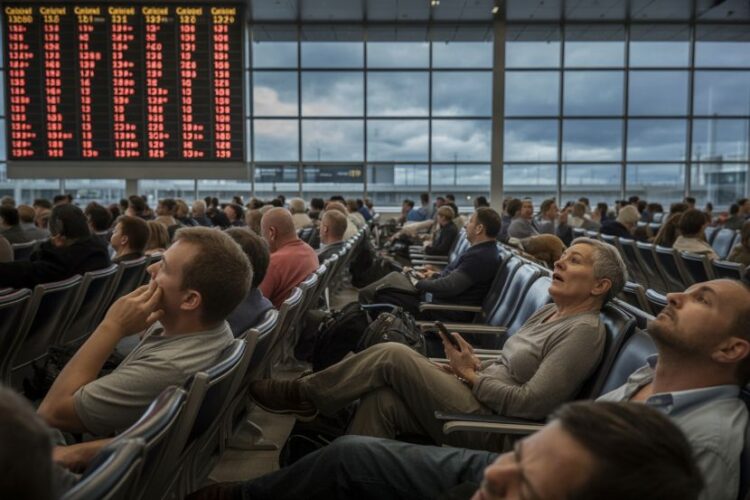
Chaos Strikes the Middle East: 23 Flights Grounded and 81 Delayed in Saudi Arabia, Bahrain, and Duba...
Article Summary:
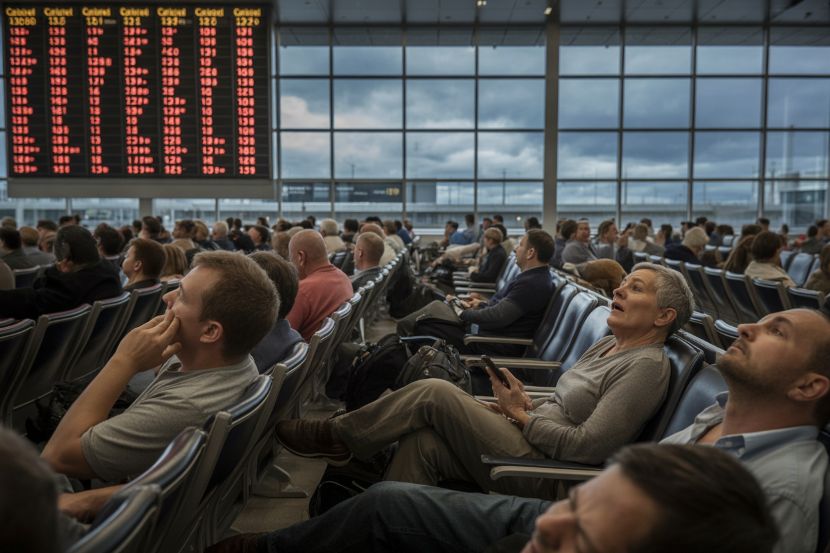
The article reports a significant disruption in the Middle East aviation sector, with over 23 flights grounded and 81 delayed due to severe weather conditions. This incident affected major airlines including FlyDubai, Saudia, and Gulf Air, causing considerable inconvenience for passengers. The disruption highlights the vulnerability of the aviation industry to weather-related challenges and underscores the need for robust contingency planning and resilient infrastructure in the sector.
Key Points:
Actionable Takeaways:
Contextual Insights:
The recent weather-induced flight disruptions in the Middle East highlight the sector’s vulnerability to natural disasters and the critical need for robust contingency planning. This incident underscores the importance of investing in advanced technologies for weather prediction and real-time operational adjustments. Furthermore, it emphasizes the role of flexible policies and resilient infrastructure in maintaining passenger trust and operational efficiency. As the travel industry continues to evolve, addressing these challenges will be crucial for maintaining service reliability and customer satisfaction.
Read the Complete Article.
Get curated travel AI insights — choose the newsletters that matter to you.
This spot is reserved for brands with a compelling story for the travel trade. They use this space to cut...
Read moreDetailsTravel One Technologies launches the world’s first Traveler DNA Platform, targeting the structural data gap at the core of an...
Read moreDetails