






No products in the cart.
- Latest
- Trending

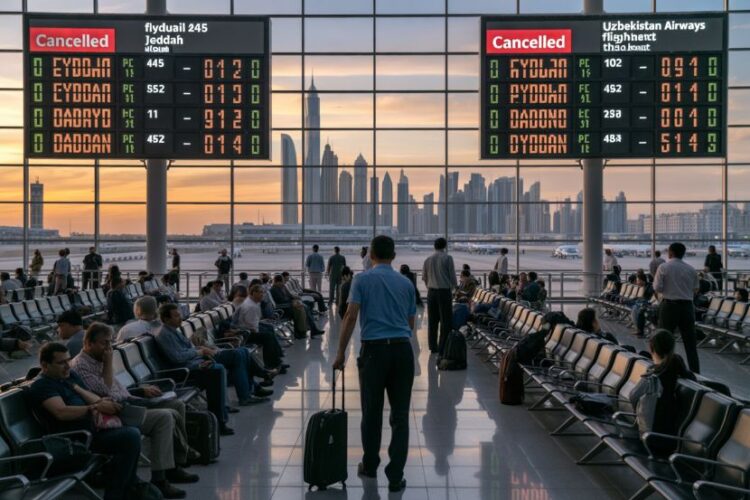
Weather Chaos Strikes as 14 Flights are Called Off and 97 Delayed by Saudia, FlyDubai, and Uzbekista...
Article Summary:
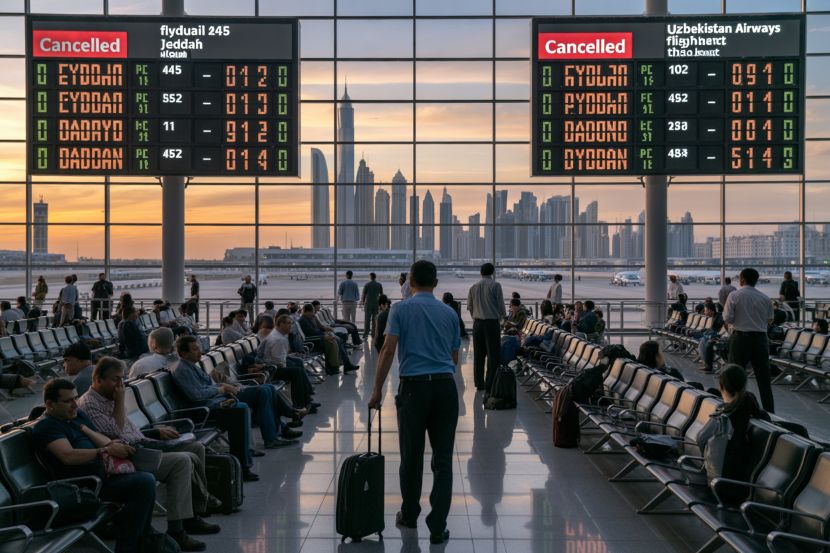
The article reports on significant disruptions in air travel caused by severe weather conditions, leading to the cancellation of 14 flights and the delay of 97 others by Saudia, FlyDubai, and Uzbekistan Airways. Passengers are currently stranded across Saudi Arabia, the UAE, and Uzbekistan. The disruptions highlight the vulnerability of air travel to weather-related challenges and underscore the need for robust contingency planning in the travel industry.
Key Points:
Severe Weather Disruptions: The article details how severe weather conditions have led to the cancellation of 14 flights and the delay of 97 flights by three major airlines operating in Saudi Arabia, the UAE, and Uzbekistan.
Geographical Impact: Passengers are affected across multiple countries, including Saudi Arabia, the UAE, and Uzbekistan, indicating a widespread impact on air travel in the region.
Operational Challenges: The disruptions highlight the operational challenges faced by airlines in managing flights during adverse weather conditions, emphasizing the need for effective contingency planning and communication strategies.
Actionable Takeaways:
Enhanced Weather Monitoring Systems: Airlines should invest in advanced weather monitoring and predictive analytics systems to better anticipate and mitigate the impact of severe weather on flight operations. This can help in making informed decisions regarding flight cancellations and delays, reducing passenger inconvenience.
Improved Passenger Communication: Airlines must enhance their communication strategies to keep passengers informed about flight status changes in real-time. Clear and timely communication can significantly reduce passenger anxiety and improve overall satisfaction during disruptions.
Flexible Rescheduling Policies: Implementing more flexible rescheduling policies can help airlines manage the impact of weather-related disruptions more effectively. Offering passengers the option to change their travel dates or routes with minimal penalties can enhance customer loyalty and satisfaction.
Contextual Insights:
The article reflects the ongoing challenges faced by the travel industry in managing disruptions caused by natural events. Recent trends indicate a growing emphasis on technological solutions to enhance operational resilience. Innovations in weather forecasting and real-time communication technologies are becoming increasingly important for airlines to adapt quickly to changing conditions. Moreover, the incident underscores the importance of robust contingency plans and flexible policies to mitigate the impact on passengers. As the travel industry continues to evolve, integrating advanced technologies and customer-centric policies will be crucial in navigating future disruptions effectively.
Read the Complete Article.
Get curated travel AI insights — choose the newsletters that matter to you.
This spot is reserved for brands with a compelling story for the travel trade. They use this space to cut...
Read moreDetailsTravel One Technologies launches the world’s first Traveler DNA Platform, targeting the structural data gap at the core of an...
Read moreDetails