








No products in the cart.
- Latest
- Trending

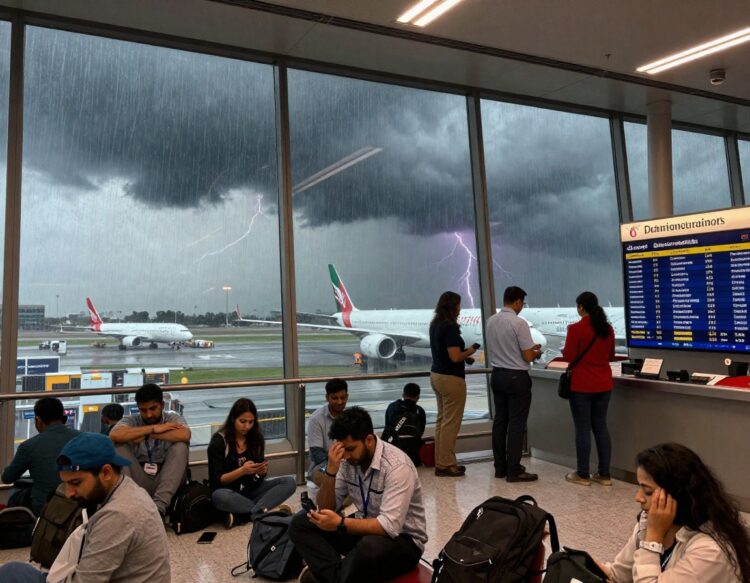
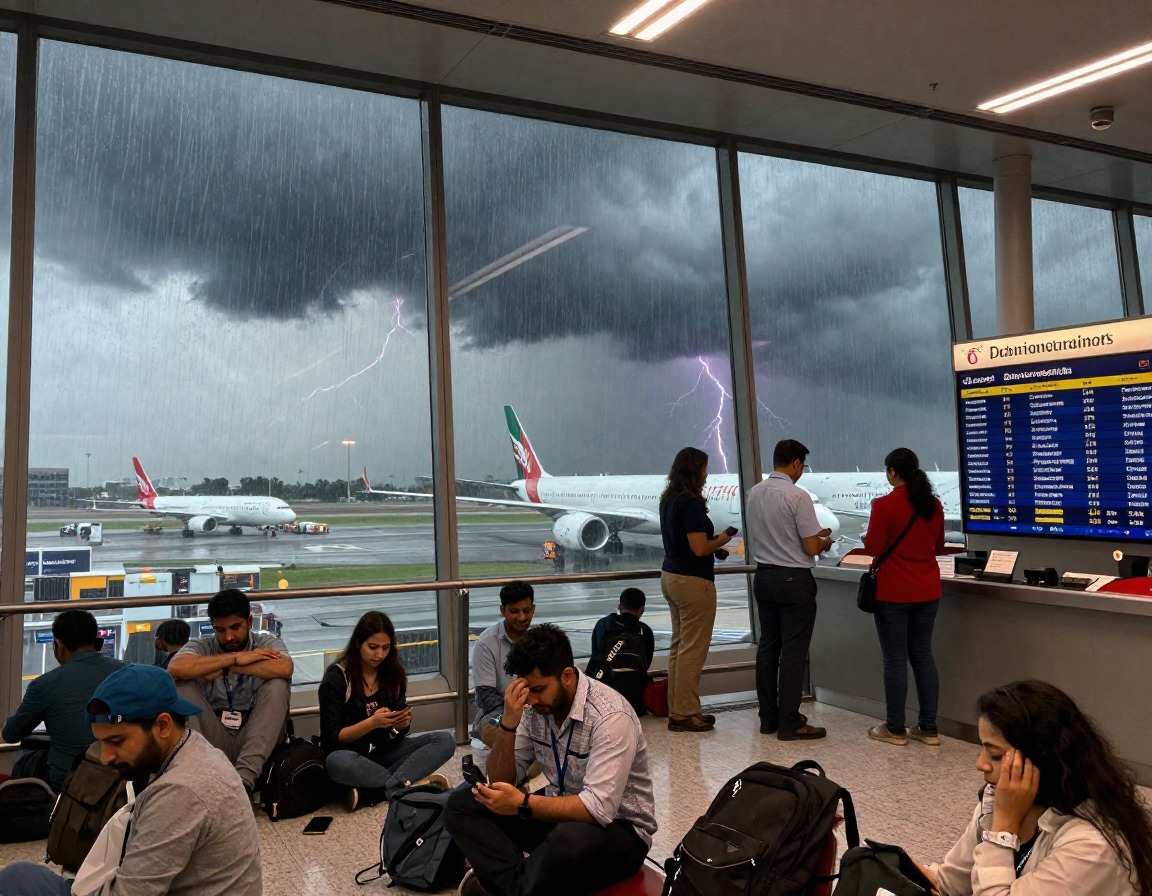
Storm Chaos at Dubai Airport: Thousands of Flights Canceled as Rain and Thunderstorms Disrupt Air Tr...
Article Summary:
The article reports on “Storm Chaos at Dubai Airport,” detailing how severe rain and thunderstorms have led to the cancellation of thousands of flights. This disruption primarily affects travelers from India, the UK, and Saudi Arabia, causing major delays, especially impacting major airlines such as Emirates and flydubai. The ongoing severe weather conditions have significantly impacted air traffic, leading to widespread travel delays and inconveniences for affected passengers.
Key Points:
Actionable Takeaways:
Enhanced Weather Monitoring Systems: Airlines and airports should invest in advanced weather monitoring and predictive analytics systems to better anticipate and mitigate the impacts of severe weather on flight operations. This can help in proactively managing flight schedules and minimizing disruptions for travelers.
Improved Passenger Communication: Airlines should enhance their communication strategies to keep passengers informed about flight status changes in real-time, especially during severe weather events. This can help manage passenger expectations and reduce anxiety associated with travel disruptions.
Flexible Booking Policies: Travelers should be encouraged to opt for flexible booking policies that allow for easier rescheduling or refunds in case of severe weather disruptions. This can provide peace of mind to travelers and help airlines manage cancellations more effectively.
Contextual Insights:
The storm chaos at Dubai Airport underscores the vulnerability of the travel industry to severe weather events. As climate change continues to impact global weather patterns, the frequency and intensity of such events are likely to increase. This highlights the need for the travel industry to adopt more resilient operational strategies, including robust contingency planning and investment in technology to enhance operational efficiency. Furthermore, the disruption experienced by major airlines like Emirates and flydubai underscores the interconnected nature of the global travel ecosystem, where disruptions in one region can have cascading effects worldwide. Thought leaders in the travel industry are increasingly advocating for the adoption of sustainable and resilient practices to mitigate such risks, emphasizing the importance of innovation in travel tech and logistics to ensure continuity and reliability in travel services.
Read the Complete Article.
Get curated travel AI insights — choose the newsletters that matter to you.
This spot is reserved for brands with a compelling story for the travel trade. They use this space to cut...
Read moreDetailsTravel One Technologies launches the world’s first Traveler DNA Platform, targeting the structural data gap at the core of an...
Read moreDetails