






No products in the cart.
- Latest
- Trending

Thousands of Travelers Affected in the Middle East as Air Arabia, Saudia, FlyDubai, Emirates and mor...
Article Summary:
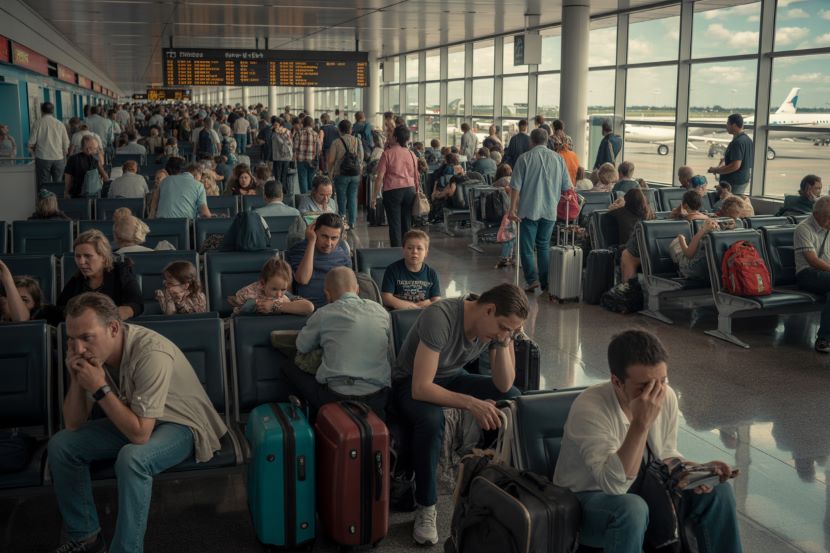
The Middle East is currently experiencing a significant travel disruption, with 88 flight cancellations and 354 delays affecting thousands of travelers across various destinations including Sharjah, Dubai, Hamad, Gilgit, Seeb, and others. Major airlines such as Air Arabia, Saudia, FlyDubai, and Emirates are among those impacted, causing considerable chaos in the region.
Key Points:
Actionable Takeaways:
Contextual Insights:
The recent travel disruptions in the Middle East underscore the vulnerabilities within the travel infrastructure, particularly in terms of operational reliability and customer communication. This situation highlights the need for airlines to invest in robust IT systems for real-time tracking and communication, as well as to enhance their contingency planning for unforeseen events. The incident also emphasizes the importance of travel insurance and flexible booking policies in providing a safety net for travelers, thereby enhancing their overall experience and trust in the travel industry. As the travel sector continues to evolve, innovations in travel tech and fintech are likely to play a crucial role in improving resilience and customer satisfaction.
Read the Complete Article.
Get curated travel AI insights — choose the newsletters that matter to you.
This spot is reserved for brands with a compelling story for the travel trade. They use this space to cut...
Read moreDetailsTravel One Technologies launches the world’s first Traveler DNA Platform, targeting the structural data gap at the core of an...
Read moreDetails