







No products in the cart.
- Latest
- Trending


Thousands of Passengers Stranded Across the UAE, Egypt, Saudi Arabia, Turkey, Istanbul, and More as ...
Article Summary:
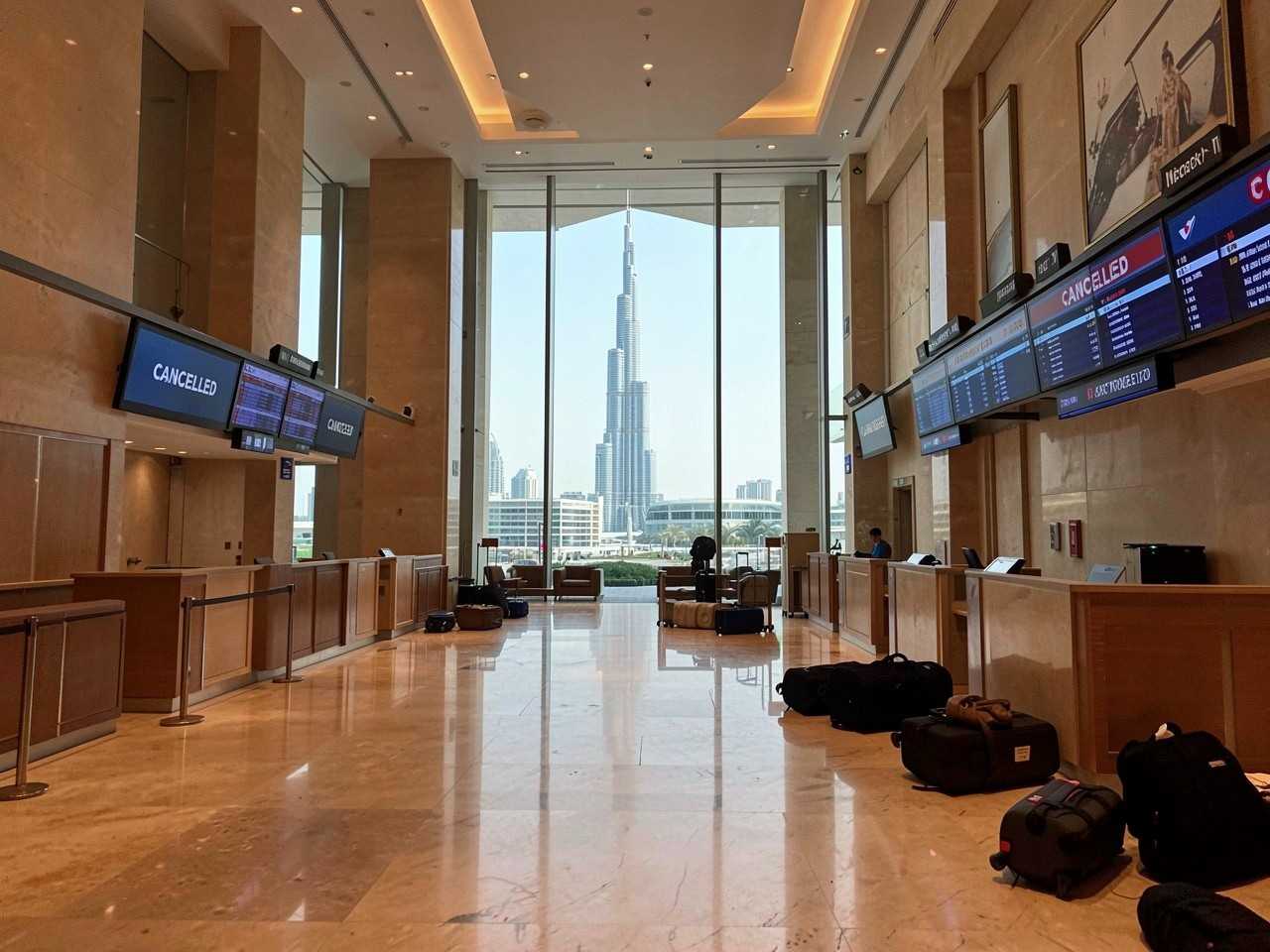
The article reports a significant disruption in air travel across major Middle Eastern airports, including Dubai, Cairo, and Riyadh, due to a large number of flight delays and cancellations. As of December 12, 2025, FlyDubai, Emirates, EgyptAir, Air France, Qatar Airways, and other airlines collectively delayed 1,692 flights and canceled 26, affecting thousands of passengers. This travel chaos highlights the challenges faced by the region’s aviation sector in managing such disruptions.
Key Points:
Actionable Takeaways:
Contextual Insights:
The article reflects the ongoing challenges faced by the Middle Eastern aviation sector, particularly in managing large-scale disruptions that can significantly impact travel plans. The rise in flight delays and cancellations underscores the need for continuous innovation in travel technology and operational management. As the industry evolves, thought leaders emphasize the importance of leveraging data analytics, AI-driven predictive analytics, and robust communication strategies to enhance operational efficiency and passenger satisfaction. These insights suggest a forward-looking perspective on how the industry can adapt to and recover from such disruptions, ensuring a more resilient and responsive travel ecosystem.
Read the Complete Article.
Get curated travel AI insights — choose the newsletters that matter to you.
This spot is reserved for brands with a compelling story for the travel trade. They use this space to cut...
Read moreDetailsTravel One Technologies launches the world’s first Traveler DNA Platform, targeting the structural data gap at the core of an...
Read moreDetails