









No products in the cart.
- Latest
- Trending

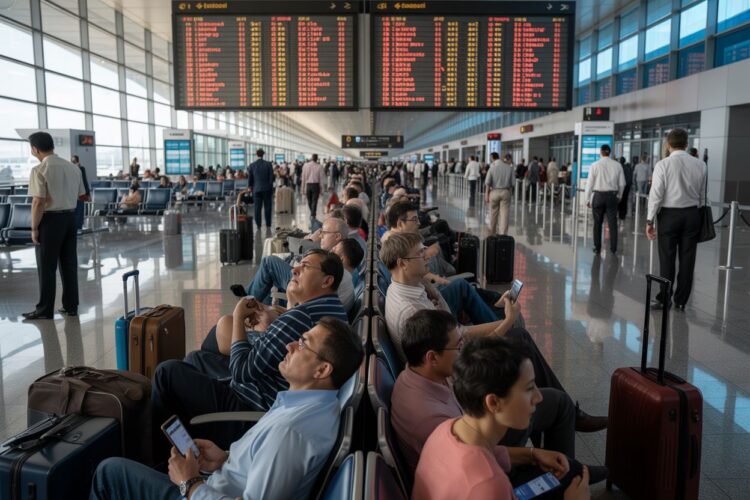
Passengers Stranded Across Istanbul, Jeddah, and Dubai Airports as Turkish Airlines, FlyDubai, Emira...
Article Summary:
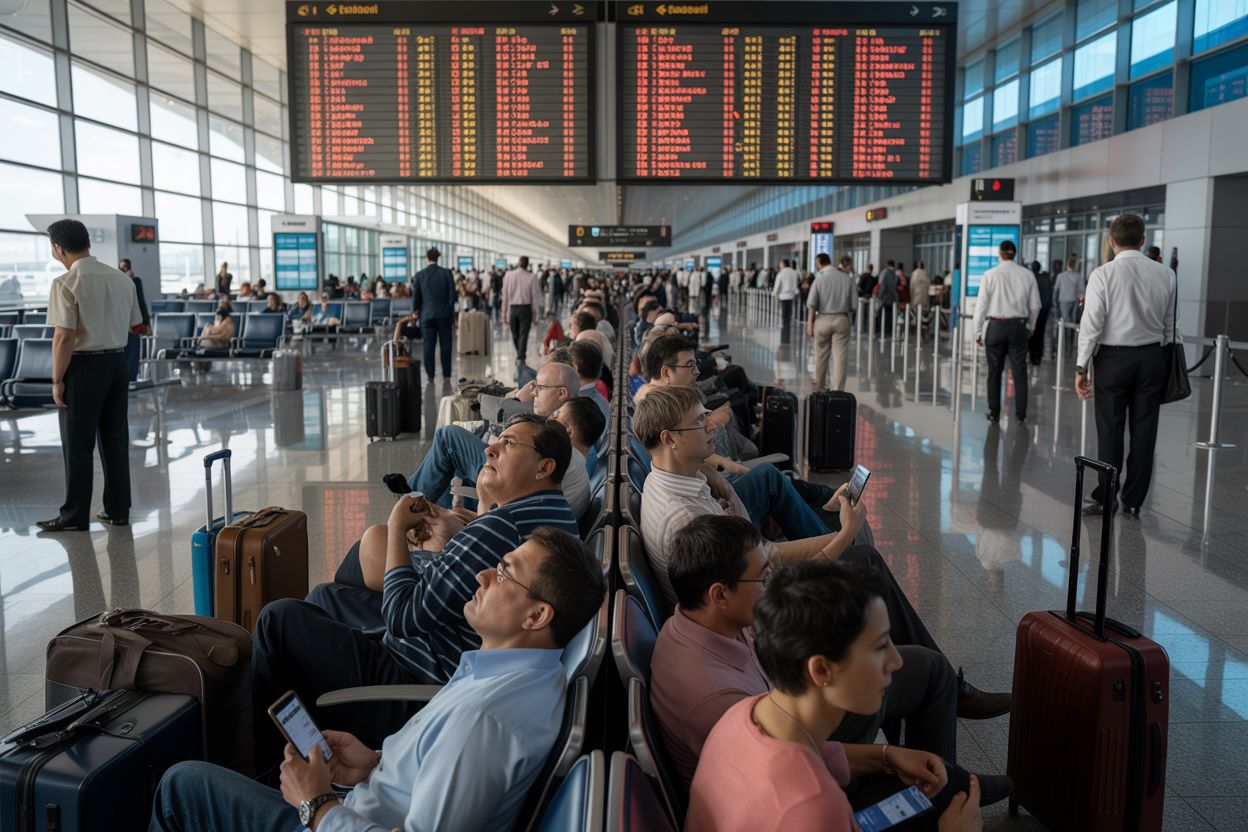
The article reports significant disruptions at major airports in the Middle East and Europe, with Istanbul Airport (IST), King Abdulaziz International Airport (JED), and others experiencing 253 flight delays and 16 cancellations. Airlines affected include Turkish Airlines, FlyDubai, Emirates, Saudia, and Qatar Airways. The disruptions have caused considerable travel chaos, impacting thousands of passengers across these key hubs.
Key Points:
Actionable Takeaways:
Contextual Insights:
The recent disruptions underscore the vulnerabilities in the global travel infrastructure, particularly in regions with high air traffic like the Middle East. The article reflects broader industry trends where technological advancements and operational efficiencies are critical to maintaining service quality. Thought leaders emphasize the importance of integrating AI and machine learning for predictive analytics in travel management, which can help airlines anticipate and mitigate potential disruptions. Additionally, the rise of travel tech startups focusing on real-time passenger communication and operational optimization presents opportunities for innovation in the sector. These insights suggest a forward-looking perspective on the travel industry’s evolution, where technology and collaboration are key drivers of resilience and customer satisfaction.
Read the Complete Article.
Get curated travel AI insights — choose the newsletters that matter to you.
This spot is reserved for brands with a compelling story for the travel trade. They use this space to cut...
Read moreDetailsTravel One Technologies launches the world’s first Traveler DNA Platform, targeting the structural data gap at the core of an...
Read moreDetails