












Article Summary:
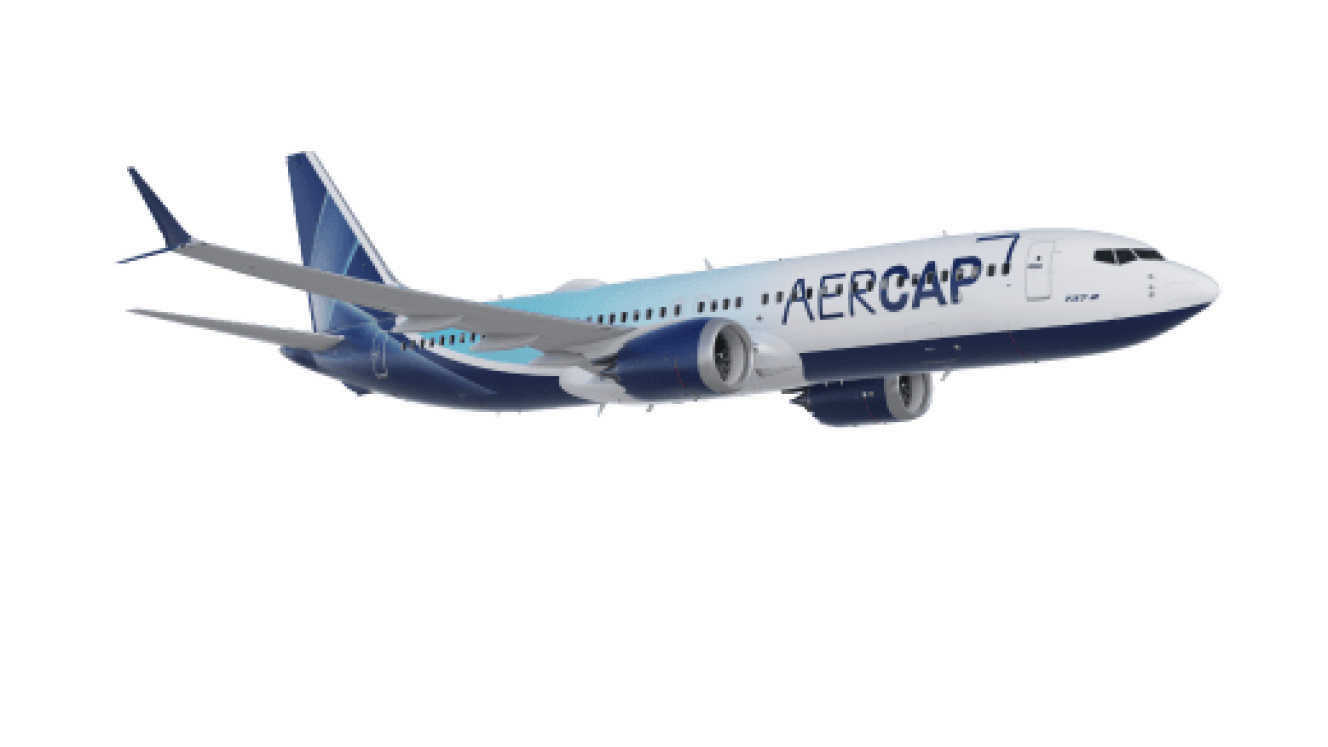
FlySafair has entered into lease agreements with AerCap for the acquisition of three Boeing 737 MAX 8 aircraft, set to arrive in Q1 2028, and two Boeing 737-800NG aircraft, to be delivered starting Q3 2026. This strategic move signifies FlySafair’s commitment to expanding its fleet with the latest Boeing models, particularly the Boeing 737 MAX 8, which will be a new addition to their fleet. The partnership with AerCap is viewed as a significant investment in the company’s fleet development.
Key Points:
- FlySafair has signed lease agreements with AerCap for three Boeing 737 MAX 8 aircraft and two Boeing 737-800NG aircraft.
- The delivery of the Boeing 737 MAX 8 aircraft is scheduled to begin in Q1 2028, while the Boeing 737-800NG aircraft will start arriving in Q3 2026.
- The Boeing 737 MAX 8s will be new additions to FlySafair’s fleet, marking a significant step in their fleet development.
- The partnership with AerCap is seen as a meaningful investment in FlySafair’s operations.
Actionable Takeaways:
- Strategic Fleet Expansion: FlySafair’s decision to lease the Boeing 737 MAX 8 and 737-800NG aircraft indicates a strategic move to modernize and expand its fleet. This expansion is likely aimed at improving operational efficiency, enhancing passenger experience, and potentially increasing market competitiveness. The timing of the deliveries, with the Boeing 737 MAX 8s arriving in Q1 2028 and the Boeing 737-800NGs in Q3 2026, suggests a phased approach to fleet modernization, allowing FlySafair to gradually integrate these new aircraft into its operations.
- Leveraging AerCap Partnership: The collaboration with AerCap highlights FlySafair’s strategic approach to fleet acquisition. By partnering with AerCap, FlySafair can benefit from AerCap’s expertise in aircraft leasing and maintenance, potentially reducing operational risks and costs. This partnership also underscores the growing trend of airlines leveraging leasing agreements to manage fleet growth without the capital-intensive burden of outright purchases. For other travel startups or airlines, this could serve as a model for strategic fleet expansion through leasing agreements with reputable aircraft providers.
Contextual Insights:
The article reflects the ongoing trend in the travel industry towards modernizing fleets with newer, more efficient aircraft models. The Boeing 737 MAX 8, known for its improved fuel efficiency and passenger comfort, aligns with the industry’s push towards sustainability and enhanced travel experiences. This move by FlySafair is indicative of a broader industry trend where airlines are increasingly investing in newer aircraft technologies to meet rising passenger expectations and regulatory requirements for fuel efficiency and emissions reduction.
Moreover, the partnership with AerCap exemplifies the increasing importance of strategic alliances in the aviation sector. As airlines seek to optimize their operations and reduce financial burdens, collaborations with aircraft leasing companies like AerCap become crucial. This trend is likely to continue, with more airlines exploring leasing agreements to manage their fleet growth efficiently. For travel startups and fintech innovators, this scenario presents opportunities in developing financial solutions tailored for leasing and fleet management in the aviation sector, such as innovative financing models or risk management tools for leasing agreements.
Handling Different Article Types:
The article in question is a news blurb, providing factual information about FlySafair’s fleet expansion plans. The structured output format ensures that the summary, key points, and actionable takeaways are presented in a clear and professional manner, suitable for a professional audience. The contextual insights, while not directly sourced from the article, are derived from the facts and trends presented, offering a forward-looking perspective on the implications of FlySafair’s fleet expansion and the broader industry context.
Read the Complete Article.



