


























Travel Capitalist Ventures Expands Check Size to $10 Million to Deepen Emerging Market Conviction
Boutique Travel VC raises investment cap from $1.5M to $10M to lead rounds and support portfolio companies through growth Travel...
Read moreDetails
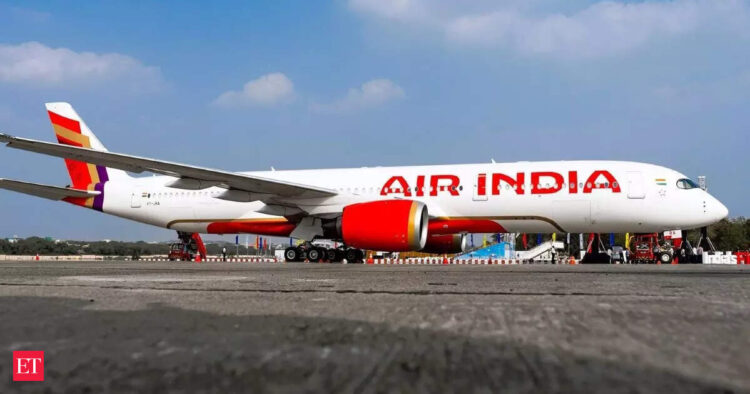
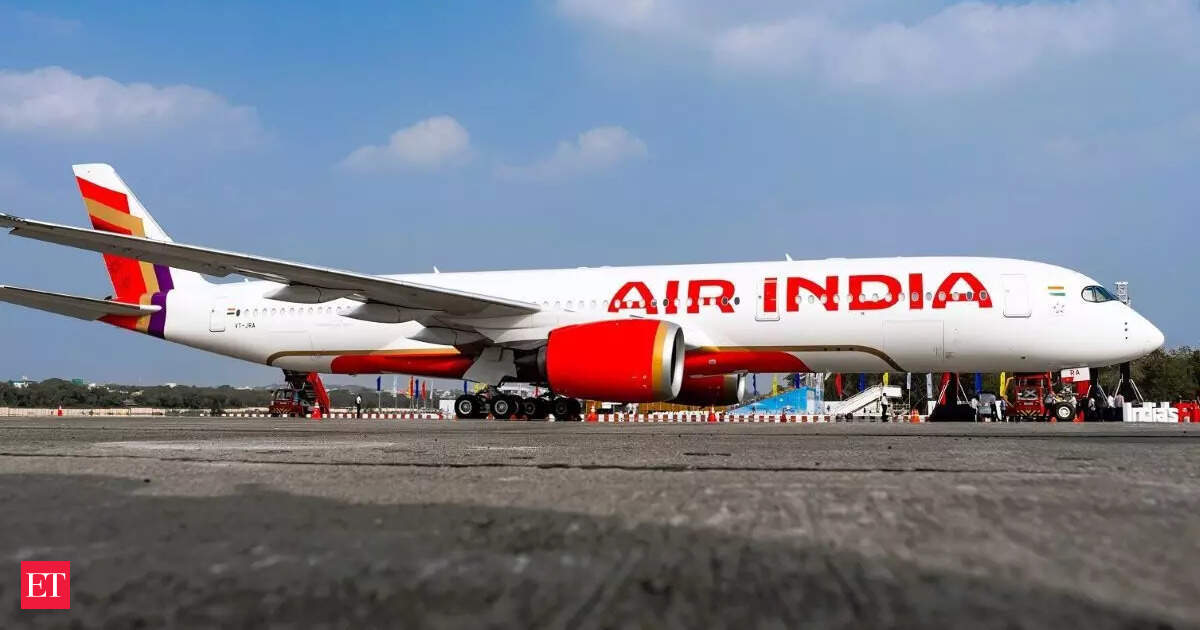
Air India
Comprehensive Summarization:
The European Aviation Safety Agency (EASA) has expressed concern over numerous safety lapses identified in Air India’s aircraft during surprise inspections at European airports. The findings, which reached a ratio of 1.96 per inspection in January, prompted the Cologne-based agency to alert India’s Directorate General of Civil Aviation (DGCA). The DGCA subsequently intensified its scrutiny of the Tata Group-owned carrier. This article, part of a broader discussion on travel industry safety and regulatory compliance, highlights the importance of stringent safety measures and regulatory oversight in the aviation sector.
Key Points:
Actionable Takeaways:
Enhanced Regulatory Oversight: The incident serves as a reminder for airlines to maintain rigorous safety protocols and undergo regular inspections to ensure compliance with international safety standards. This is crucial for maintaining passenger trust and avoiding regulatory penalties.
Investment in Safety Technology: Airlines should consider investing in advanced safety technologies and training programs to preemptively address potential safety issues. This proactive approach can mitigate risks and enhance overall safety performance.
Contextual Insights:
The article reflects the ongoing emphasis on safety within the aviation industry, particularly in light of recent global events that have heightened awareness of safety protocols. The collaboration between EASA and DGCA highlights the importance of international cooperation in maintaining high safety standards. Looking forward, the travel industry is likely to see increased investment in safety technologies and regulatory frameworks, driven by both regulatory pressures and consumer demand for secure travel experiences. Startups and fintech innovations in the travel sector may also focus on developing tools that enhance safety monitoring and compliance, further solidifying the industry’s commitment to safety.
Read the Complete Article.
Boutique Travel VC raises investment cap from $1.5M to $10M to lead rounds and support portfolio companies through growth Travel...
Read moreDetails




