




No products in the cart.
- Latest
- Trending

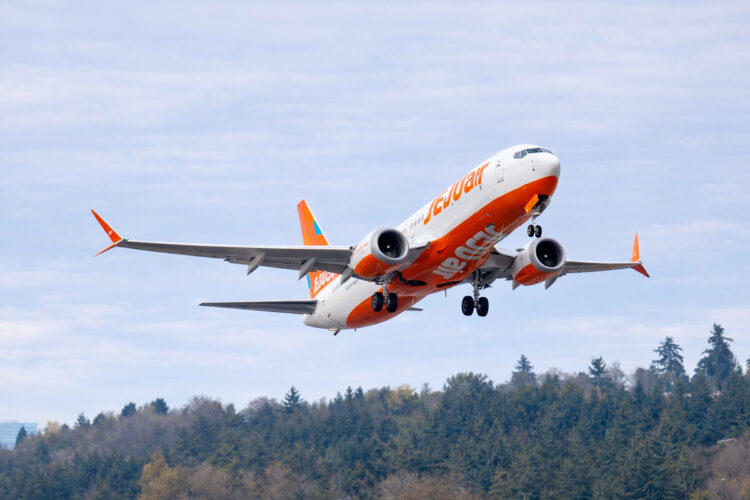
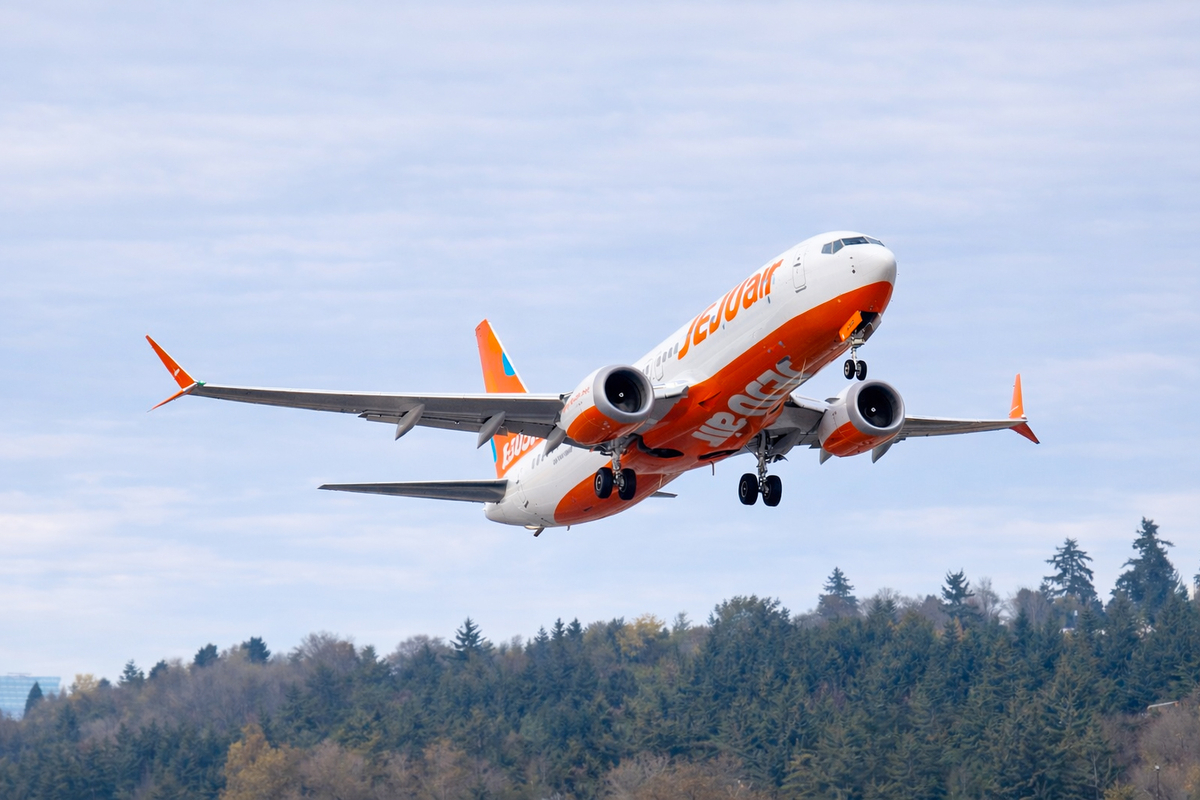
Jeju Air introduces its 10th B737-8...accelerating fleet modernization
Comprehensive Summarization:
Jeju Air, a South Korean low-cost carrier, announced the delivery of its 10th Boeing 737-8 aircraft on May 20, marking a significant step in its fleet modernization strategy. The airline plans to add seven more B737-8 jets this year, with the latest delivery being the second of the seven. This move is part of Jeju Air’s broader effort to modernize its fleet, which began in earnest in 2023 with the introduction of two B737-8 aircraft. The carrier’s strategy includes returning two aging leased aircraft, signaling a commitment to upgrading its fleet with newer, more efficient models. This development is particularly relevant in the context of the travel industry’s ongoing shift towards more sustainable and technologically advanced operations.
Key Points:
Actionable Takeaways:
Fleet Modernization as a Competitive Advantage: Jeju Air’s strategic addition of newer Boeing 737-8 aircraft demonstrates the importance of fleet modernization in maintaining a competitive edge in the travel industry. Airlines that invest in newer, more fuel-efficient aircraft can reduce operational costs and improve passenger experience, potentially attracting more customers and market share.
Focus on Sustainability: The shift towards newer aircraft often correlates with improved fuel efficiency and reduced environmental impact. For travel startups and fintech companies, this trend presents an opportunity to develop solutions that support sustainable aviation practices, such as carbon offsetting platforms or eco-friendly travel financing options.
Strategic Partnerships and Leasing: Jeju Air’s decision to return aging leased aircraft highlights the importance of strategic partnerships and leasing agreements in fleet management. Travel companies can explore similar strategies to optimize their fleet composition, reduce maintenance costs, and ensure a steady supply of modern aircraft.
Contextual Insights:
The article reflects the broader industry trend of airlines investing in newer, more efficient aircraft to enhance operational efficiency and sustainability. This aligns with recent insights from travel industry thought leaders who emphasize the importance of technological advancements and sustainability in shaping the future of air travel. As the industry moves towards more eco-friendly operations, companies that proactively adopt modern technologies and sustainable practices are likely to gain a competitive advantage. Additionally, the focus on fleet modernization underscores the ongoing demand for innovative solutions in travel tech, particularly in areas such as aircraft management, maintenance, and passenger experience enhancement.
Read the Complete Article.
Get curated travel AI insights — choose the newsletters that matter to you.
This spot is reserved for brands with a compelling story for the travel trade. They use this space to cut...
Read moreDetailsTravel One Technologies launches the world’s first Traveler DNA Platform, targeting the structural data gap at the core of an...
Read moreDetails