Comprehensive Summarization:
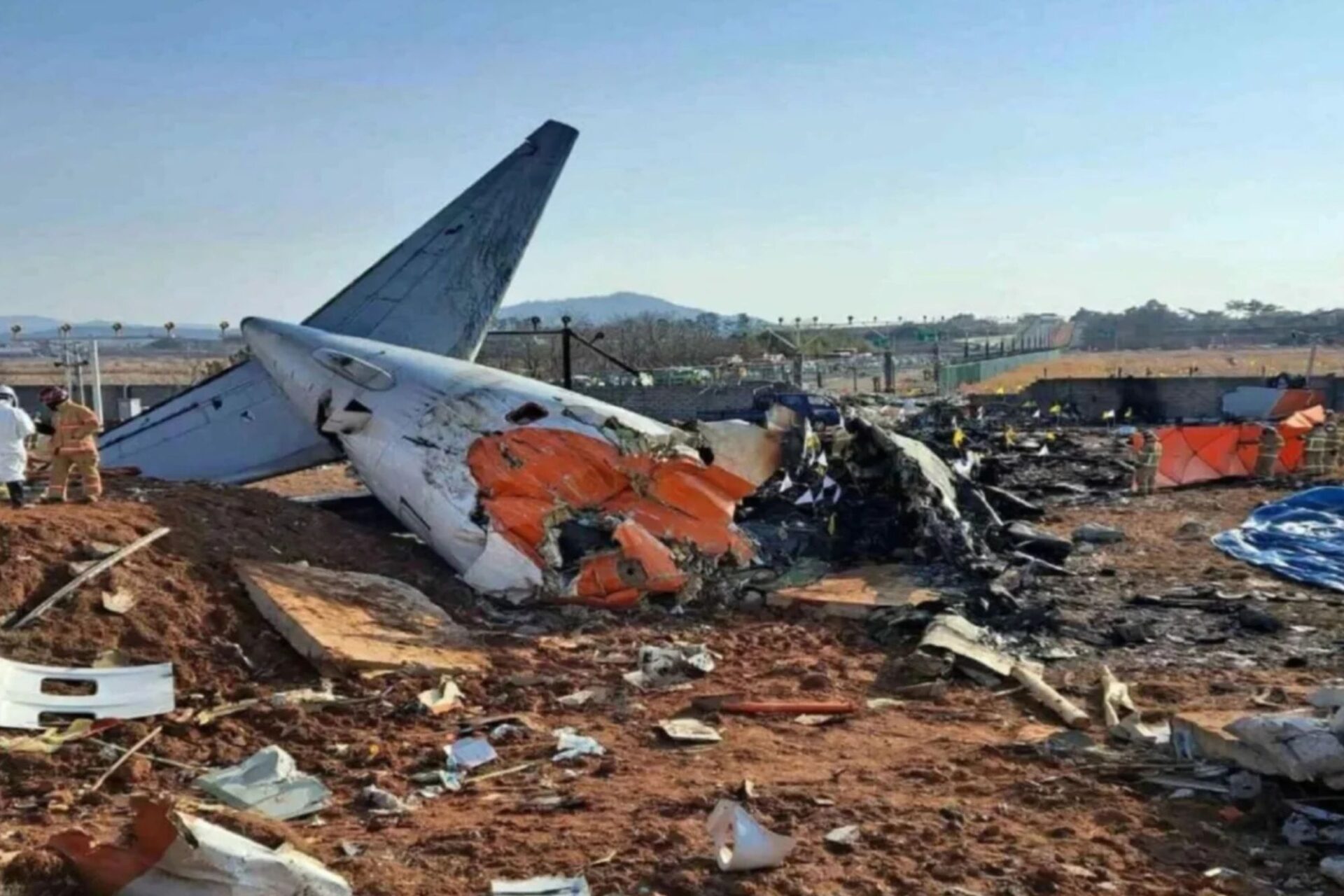
The article reports that South Korea’s Ministry of Land, Infrastructure and Transport has approved the construction of improper airport safety structures over the past two decades to save on costs, according to a state audit. This decision came under scrutiny following the devastating Jeju Air crash in December 2024, which claimed 179 lives at Muan International Airport (MWX). The article highlights the ministry’s approval of a concrete mound built to save costs despite the associated risks, emphasizing the potential safety implications and regulatory concerns within the travel industry.
Key Points:
- South Korea’s Ministry of Land, Infrastructure and Transport approved improper airport safety structures to cut construction costs over the past two decades.
- The Jeju Air crash in December 2024, which resulted in 179 fatalities at Muan International Airport (MWX), has brought the issue of safety structures into focus.
- The concrete mound construction was approved despite the associated risks, raising concerns about safety and regulatory compliance in the travel industry.
Actionable Takeaways:
-
Regulatory Oversight in Aviation Safety: The approval of unsafe airport safety structures due to cost-cutting measures underscores the need for stringent regulatory oversight in the aviation sector. Travel companies and regulatory bodies should reassess safety protocols and ensure compliance with international safety standards to prevent similar tragedies. This takeaway is crucial as it directly impacts the safety and trustworthiness of air travel, a critical aspect of the travel industry.
-
Investment in Safety Technologies: The incident highlights the importance of investing in advanced safety technologies and infrastructure. Travel companies should prioritize the development and implementation of cutting-edge safety solutions to mitigate risks and enhance passenger safety. This takeaway is relevant as it points towards a future trend where technological innovation plays a pivotal role in ensuring safety in air travel.
Contextual Insights:
The article’s context is deeply rooted in recent events, specifically the Jeju Air crash in December 2024, which has reignited discussions on airport safety standards and regulatory compliance in South Korea. This event is a stark reminder of the potential consequences when safety protocols are compromised for financial gains. In the broader context of the travel industry, this serves as a critical lesson on the importance of balancing cost-efficiency with safety standards. The emphasis on concrete mounds built to save costs, despite the risks, reflects a systemic issue within the industry where cost-cutting measures can lead to severe safety repercussions. Looking forward, this incident is likely to spur discussions on the need for more robust safety frameworks and the integration of advanced technologies to prevent such tragedies. Additionally, it underscores the growing importance of fintech innovations in the travel sector, where financial transparency and efficient resource allocation can support safety investments without compromising on quality.
Read the Complete Article.