Comprehensive Summarization:
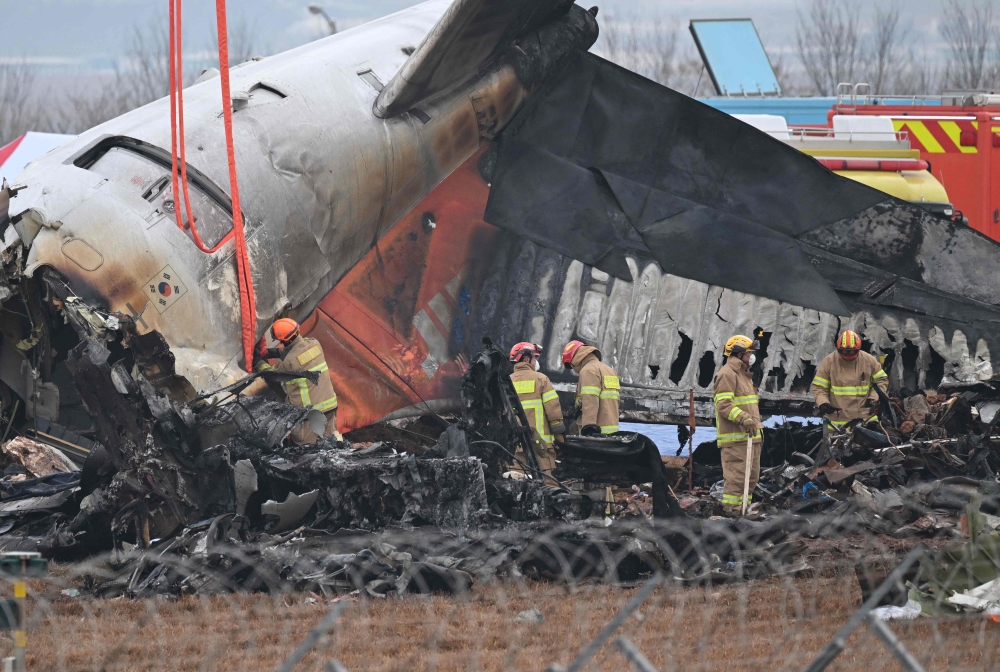
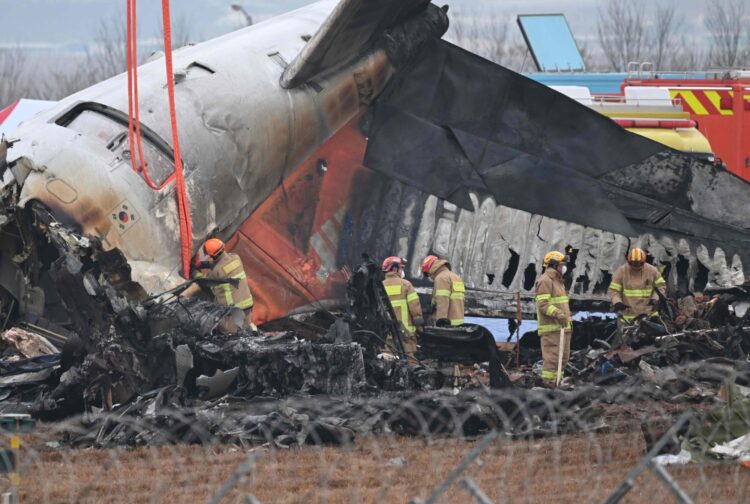
The article reports on a tragic incident involving Jeju Air Flight 2216, which crashed in December 2024, killing 179 people. The cause of the crash was attributed to the aircraft striking a flock of birds during landing at Muan International Airport from Thailand. Following the crash, it was revealed that a concrete barrier, intended to cut costs, was responsible for the fatal incident. The state auditor’s findings highlight the importance of cost-saving measures not compromising safety standards, particularly in aviation infrastructure.
Key Points:
- Jeju Air Flight 2216 crashed in December 2024, resulting in 179 fatalities.
- The crash occurred due to the aircraft colliding with a flock of birds during landing at Muan International Airport.
- The concrete barrier installed to cut costs was identified as a contributing factor to the crash.
- The state auditor’s report emphasizes the need for balancing cost-saving measures with stringent safety standards in aviation infrastructure.
Actionable Takeaways:
-
Prioritize Safety Over Cost-Cutting: The incident underscores the critical need for aviation authorities and airlines to prioritize passenger safety over cost-saving measures. Investing in infrastructure that ensures safety, even if it incurs higher costs, is essential to prevent catastrophic failures.
-
Regular Safety Audits and Compliance Checks: Implementing rigorous safety audits and compliance checks can help identify potential risks associated with infrastructure modifications. This proactive approach can prevent similar incidents in the future by ensuring that all cost-saving decisions are thoroughly evaluated for safety implications.
Contextual Understanding:
The crash of Jeju Air Flight 2216 highlights a broader trend in the travel industry where cost-cutting measures are often prioritized at the expense of safety. This incident serves as a stark reminder of the potential consequences when safety standards are compromised. In the current context of travel, where technological advancements and regulatory pressures are driving innovation, it is crucial for stakeholders to maintain a balance between operational efficiency and safety protocols. The insights from thought leaders in travel tech and aviation safety suggest that embracing a culture of continuous safety improvement and investing in reliable infrastructure can mitigate risks and enhance overall industry resilience.
Handling Different Article Types:
The article in question is a news blurb, providing factual information about a recent aviation incident. The structured output format below reflects this type of content, focusing on factual accuracy and actionable insights derived directly from the article’s content.
markdown
Comprehensive Summarization:
A tragic crash involving Jeju Air Flight 2216 in December 2024 resulted in 179 fatalities. The crash was caused by the aircraft colliding with a flock of birds during landing, and a concrete barrier installed to cut costs was identified as a contributing factor. The state auditor’s report emphasizes the need for balancing cost-saving measures with stringent safety standards in aviation infrastructure.
Key Points:
- Jeju Air Flight 2216 crashed in December 2024, killing 179 people.
- The crash was caused by the aircraft colliding with birds during landing.
- The concrete barrier, intended to cut costs, contributed to the fatal incident.
- The state auditor’s report highlights the importance of prioritizing safety over cost-cutting in aviation infrastructure.
Actionable Takeaways:
- Prioritize Safety Over Cost-Cutting: Investing in safety infrastructure is crucial to prevent catastrophic failures.
- Regular Safety Audits and Compliance Checks: Implement rigorous safety audits to identify and mitigate potential risks associated with infrastructure modifications.
Contextual Insights:
The incident underscores the need for a balanced approach to cost-saving measures in the travel industry, ensuring that safety standards are not compromised. As the industry continues to evolve with technological advancements and regulatory pressures, maintaining a culture of continuous safety improvement and investing in reliable infrastructure will be key to enhancing resilience and preventing future incidents.
Read the Complete Article.