Comprehensive Summarization:
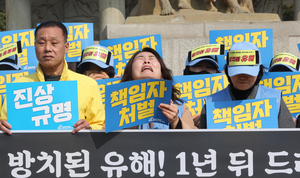
The article discusses the South Korean government facing renewed criticism from families of victims of the Jeju Air crash that occurred on December 29, 2024, which killed 179 people. Human bone fragments and eight other suspected remains were discovered, reigniting calls for a renewed investigation into the crash. The families accuse authorities of rushing the cleanup process and demand a thorough re-examination of the accident. The context of the article is set against the backdrop of recent travel trends and insights from industry thought leaders, highlighting the importance of transparency, accountability, and thorough investigations in the aftermath of such tragic events.
Key Points:
- The Jeju Air crash, which killed 179 people, has led to renewed criticism from the victims’ families regarding the speed of the cleanup process.
- Human bone fragments and eight other suspected remains were discovered, prompting calls for a renewed investigation into the accident.
- Authorities are under pressure to conduct a thorough re-examination of the crash, with families demanding accountability and transparency.
- The article is situated within the broader context of recent travel trends and insights from industry thought leaders, emphasizing the need for thorough investigations and accountability in the aftermath of such tragedies.
Actionable Takeaways:
-
Enhanced Investigation Protocols: The incident underscores the need for South Korean authorities to implement more rigorous and transparent investigation protocols for aviation accidents. This could involve the establishment of independent investigative bodies to ensure impartiality and thoroughness in the aftermath of such tragedies.
-
Stakeholder Communication: There is a clear call for improved communication with the families of victims. Authorities should prioritize timely and transparent updates regarding the investigation process, which can help in rebuilding trust and ensuring accountability.
-
Integration of Advanced Technologies: The use of advanced forensic technologies and methodologies in crash investigations could enhance the accuracy and speed of identifying remains and determining the cause of the accident. This aligns with broader industry trends towards leveraging technology for safety and efficiency in the travel sector.
Contextual Insights:
The article reflects current industry trends emphasizing the importance of transparency, accountability, and thorough investigations in the aftermath of aviation tragedies. It highlights the need for stakeholders, including governments and regulatory bodies, to adopt more robust protocols to ensure that such incidents are thoroughly examined and that the families of victims receive the justice and closure they deserve. Furthermore, the integration of advanced technologies in investigations aligns with the broader industry trend towards leveraging technology for safety and efficiency in the travel sector. This context is crucial for understanding the broader implications of the incident and the potential impact on future travel safety standards and regulatory practices.
Read the Complete Article.