Comprehensive Summarization:
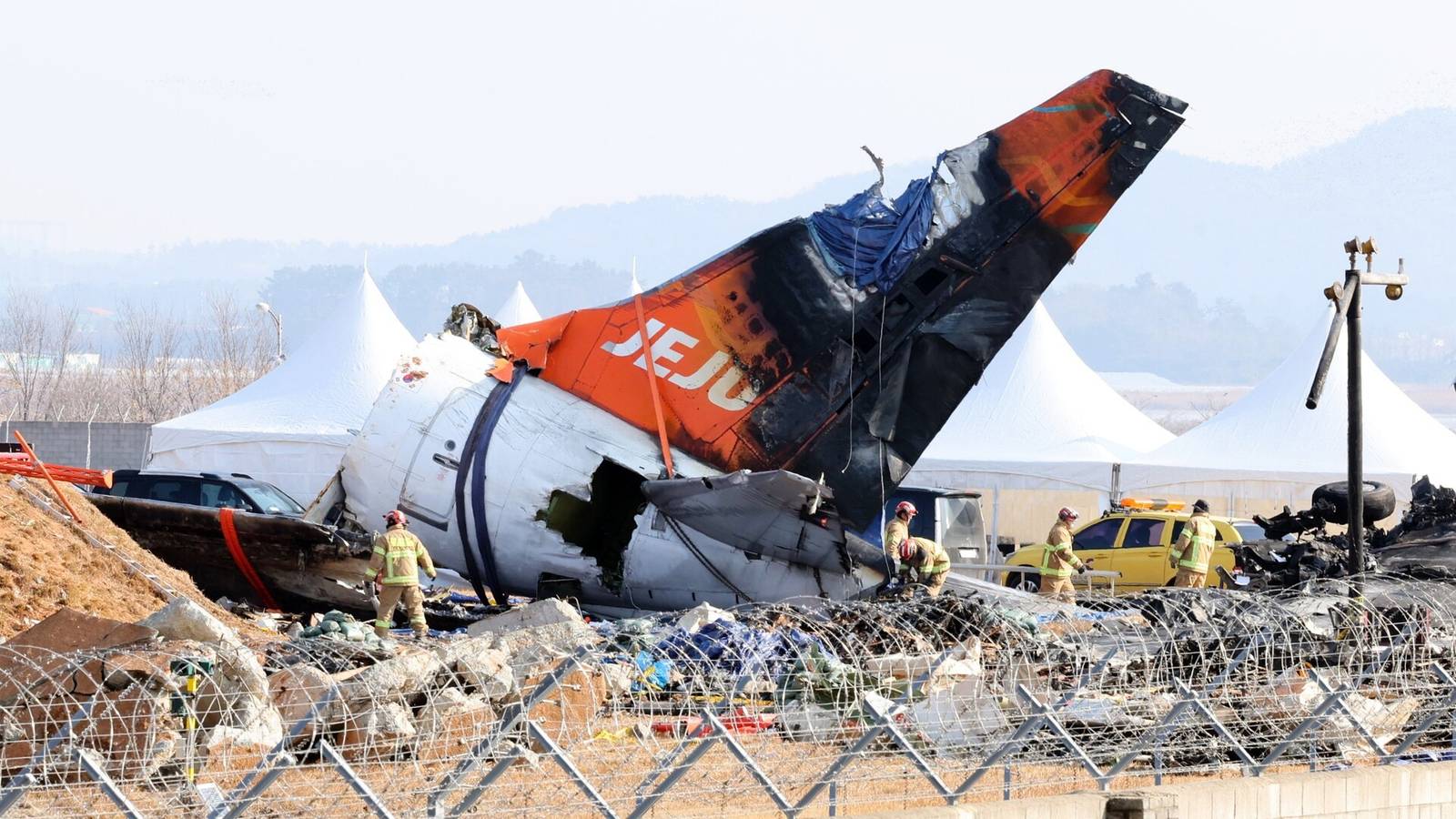
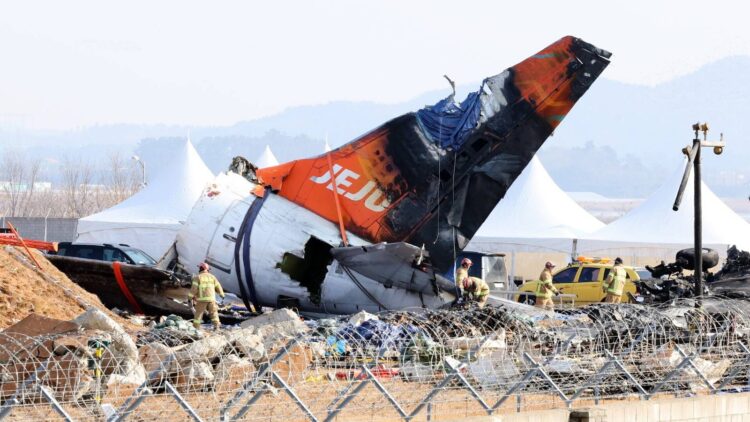
Jeju Air Flight 2216 crashed at Muan International Airport on December 29, 2024, initially attributed to an onboard emergency, a belly landing, and a runway overrun. However, recent audit findings in South Korea reveal that the most critical factor might have been a concrete-supported localizer mound at the end of the runway, built to save on construction costs. This revelation shifts the focus of the investigation and highlights potential cost-cutting measures that could have contributed to the disaster. The article also touches on broader travel industry trends and insights from thought leaders, emphasizing the importance of thorough safety audits and the potential impact of cost-saving measures on aviation safety.
Key Points:
- Jeju Air Flight 2216 crashed at Muan International Airport on December 29, 2024.
- Initial reports suggested the crash was due to an onboard emergency, a belly landing, and a runway overrun.
- Recent audit findings indicate that a concrete-supported localizer mound at the end of the runway may have been a critical factor in the crash.
- The localizer mound was built to save on construction costs, which changes the focus of the investigation.
- The article discusses broader travel industry trends and insights from thought leaders.
Actionable Takeaways:
-
Enhanced Safety Audits: Given the revelation that a cost-saving measure at Muan International Airport may have contributed to the crash, there is an actionable takeaway to prioritize enhanced safety audits, especially in airports with recent incidents. This could involve more rigorous inspections of runway equipment and infrastructure to ensure they meet safety standards, potentially saving lives and reducing the risk of future accidents.
-
Cost-Benefit Analysis in Aviation: The article underscores the importance of balancing cost-saving measures with safety considerations. For aviation startups and established airlines, conducting a thorough cost-benefit analysis before implementing any construction or operational cost-cutting measures is crucial. This ensures that safety is not compromised in the pursuit of financial efficiency, thereby maintaining high standards of aviation safety.
-
Investment in Infrastructure: The article highlights the need for investment in airport infrastructure to prevent accidents. For travel industry stakeholders, this suggests a potential opportunity to invest in upgrading airport facilities, particularly those with a history of incidents or safety concerns. Such investments could enhance safety, improve operational efficiency, and potentially attract more passengers and business.
Contextual Insights:
The crash of Jeju Air Flight 2216 at Muan International Airport underscores the critical importance of thorough safety audits and the potential risks associated with cost-cutting measures in aviation infrastructure. This incident serves as a stark reminder of the need for airlines and airports to prioritize safety over cost-saving measures, even if it means investing more in infrastructure and equipment. The broader travel industry trends highlighted in the article emphasize the need for continuous improvement in safety protocols and the adoption of advanced technologies to prevent accidents. For travel startups and fintech innovations, this context suggests a growing emphasis on safety as a key differentiator in the industry. Investing in safety technologies and adhering to stringent safety standards could not only enhance brand reputation but also open up new market opportunities as safety-conscious travelers increasingly prioritize secure travel options.
Read the Complete Article.