







No products in the cart.
- Latest
- Trending



Page Unavailable - ABC News
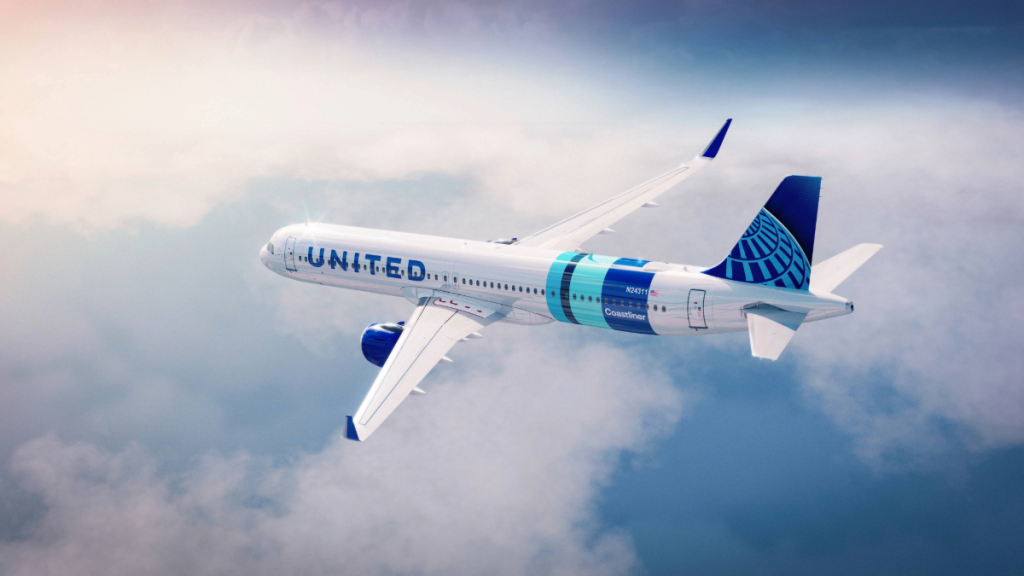
A strategic partnership between JetBlue and United Airlines once aimed to provide travelers with more choices and enhanced connectivity in the Northeast. The collaboration, announced several years ago, focused on expanding routes and improving the overall customer experience.
The core of the partnership centered on complementing each airline’s strengths. JetBlue, known for its customer service and presence in the Northeast, aimed to leverage United’s global network. United, in turn, sought to strengthen its position in key Northeast markets. This involved coordinating schedules and offering seamless connections for passengers traveling through Newark Liberty International Airport (EWR) and Boston Logan International Airport (BOS).
One of the key benefits for consumers was the potential for increased flight options and more competitive pricing. By coordinating routes, the airlines hoped to eliminate overlap and offer a wider range of destinations. Passengers could potentially book connecting flights on both airlines through a single itinerary, simplifying travel planning.
However, it’s important to note that such partnerships often face regulatory scrutiny. Concerns about potential anti-competitive effects and the impact on consumers have been raised. Regulators carefully examine these collaborations to ensure they don’t stifle competition or lead to higher fares. The long-term viability and success of this partnership depended on navigating these regulatory hurdles. How these types of partnerships impact customer loyalty programs is also an important consideration for frequent fliers.
Ultimately, the effectiveness of this partnership rested on its ability to deliver tangible benefits to travelers. This included more convenient flight options, competitive fares, and a seamless travel experience. Whether the collaboration achieved these goals remained to be seen. The success of this type of agreement can vary widely based on how effectively the partnership is managed and how the evolving travel landscape impacts demand and competition.
Key Points:
Read the Complete Article.
Get curated travel AI insights — choose the newsletters that matter to you.
This spot is reserved for brands with a compelling story for the travel trade. They use this space to cut...
Read moreDetailsTravel One Technologies launches the world’s first Traveler DNA Platform, targeting the structural data gap at the core of an...
Read moreDetails