









No products in the cart.
- Latest
- Trending


This Airline Built The Buzz For Hawaii And Backed Out
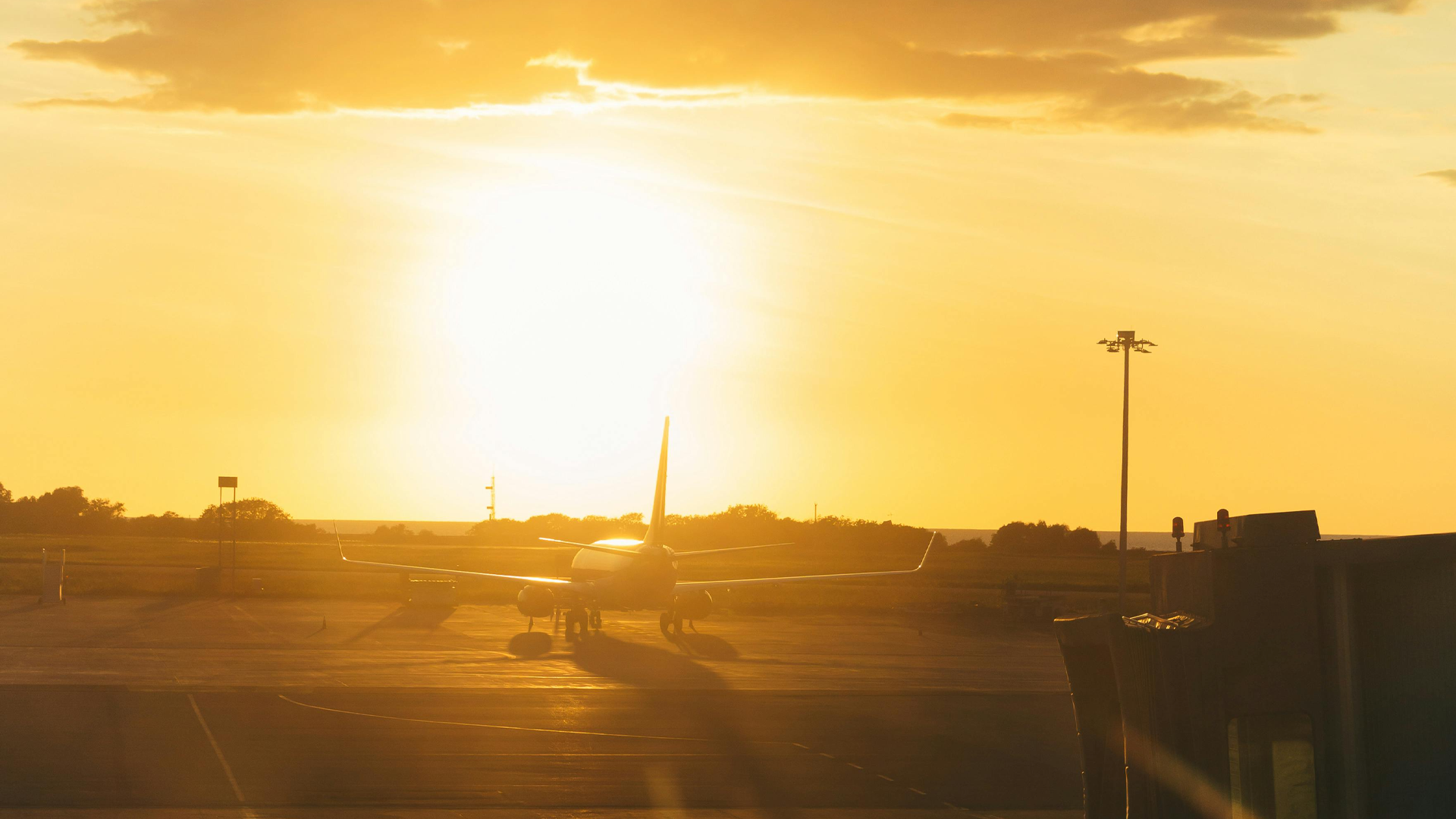
Hawaiian Airlines, a name synonymous with the islands, recently found itself at the center of a significant industry shift, particularly concerning its role in promoting Hawaii as a desirable travel destination. Once a driving force behind expanding air access and generating excitement for the Aloha State, the airline’s strategic decisions have led to a noticeable reduction in its presence and promotional efforts, leaving many to ponder the future of Hawaiian tourism marketing.
For decades, Hawaiian Airlines played a pivotal role in connecting the world to Hawaii. They were instrumental in opening new routes and making travel to the islands more accessible. This included significant investment in marketing campaigns that not only showcased the beauty and allure of Hawaii but also encouraged potential visitors to book their trips. Their efforts were often credited with building considerable buzz, driving demand, and shaping the perception of Hawaii as a dream vacation spot.
However, the recent landscape has seen a change. The article highlights a strategic pivot by Hawaiian Airlines, a move that appears to stem from evolving market dynamics and a focus on profitability. While the exact reasons are complex, it’s clear that the airline has scaled back its proactive promotional activities aimed at stimulating demand for Hawaii. This decision comes at a time when the tourism industry is grappling with various challenges, including overtourism in some areas and the need for sustainable growth.
The shift away from aggressively building demand raises important questions for the broader travel industry and Hawaii’s tourism stakeholders. If a legacy carrier like Hawaiian Airlines, deeply intertwined with the destination’s identity, reduces its promotional footprint, who will fill the void? The responsibility of marketing Hawaii, attracting visitors, and ensuring a steady flow of tourism revenue often relies on a collective effort, but the airline’s past leadership in this area was undeniable.
This development underscores the delicate balance required in tourism management. While airlines focus on their commercial viability, destinations depend on consistent visitor traffic. The article suggests that while Hawaiian Airlines continues to serve the islands, its role in actively creating the demand has diminished. This could necessitate a re-evaluation of how Hawaii’s tourism promotion is funded and executed, potentially shifting more responsibility towards the Hawaii Tourism Authority and other industry partners.
The move by Hawaiian Airlines is a stark reminder that the travel industry is constantly in flux. Strategies that once proved successful may need to be adapted in response to new economic realities, competitive pressures, and evolving consumer behaviors. For those in the travel sector, understanding these shifts is crucial for anticipating market trends and planning for the future of destinations like Hawaii. The question remains: with a key player dialing back its promotional efforts, how will Hawaii continue to capture the imagination of travelers worldwide?
Key Points
Read the Complete Article.
Get curated travel AI insights — choose the newsletters that matter to you.
This spot is reserved for brands with a compelling story for the travel trade. They use this space to cut...
Read moreDetailsTravel One Technologies launches the world’s first Traveler DNA Platform, targeting the structural data gap at the core of an...
Read moreDetails