




No products in the cart.
- Latest
- Trending


The Daily Herald - Deal with JetBlue could cost Bonaire $12 million
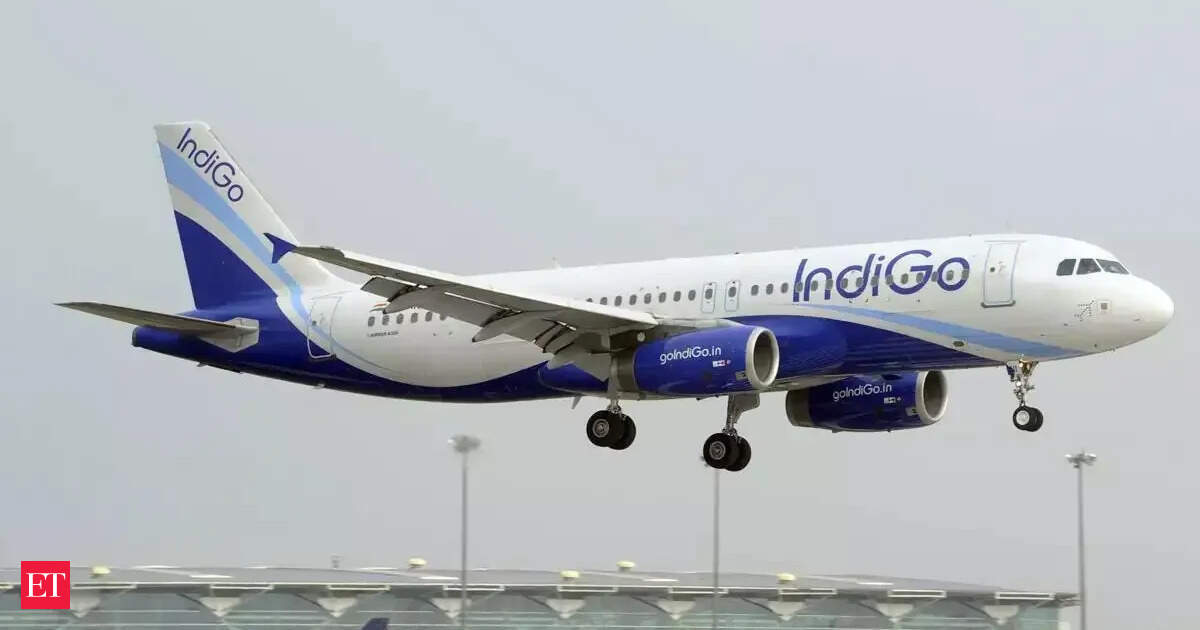
Bonaire, a Caribbean gem renowned for its world-class diving and pristine natural beauty, finds itself at a critical juncture. A proposed deal with JetBlue Airways, designed to bolster tourism and connectivity, carries a significant potential financial burden for the island, with estimates suggesting it could cost Bonaire as much as $12 million. This financial commitment highlights the delicate balance between attracting visitors and managing public resources in a small island economy.
The core of the agreement revolves around JetBlue’s desire to increase its flight offerings to Bonaire, a move that could significantly boost visitor numbers. However, the island government has agreed to subsidize these flights to make them more competitive and attractive to travelers. This subsidy, while intended to stimulate demand, represents a substantial upfront investment for Bonaire. The exact figures and the duration of this commitment are central to the ongoing discussion and scrutiny surrounding the deal.
For Bonaire, attracting more tourists is crucial for economic growth, supporting local businesses, and creating employment opportunities. JetBlue, as a major player in the North American travel market, offers a direct route to a significant customer base. The potential increase in arrivals could translate into higher spending on accommodation, dining, activities, and local services, ultimately benefiting the island’s economy.
However, the substantial cost associated with the JetBlue deal raises concerns about fiscal responsibility and the potential impact on other essential public services. Critics argue that the $12 million figure, if realized, could be allocated to areas such as infrastructure development, environmental conservation, or social programs. The long-term viability and return on investment of this tourism-focused subsidy are key questions that need to be thoroughly addressed.
The success of this deal hinges on several factors, including the actual number of new passengers brought in by JetBlue, the spending patterns of these visitors, and the overall economic uplift generated. It also depends on whether the increased tourism revenue can eventually offset the initial subsidy. The article suggests that the island is essentially betting on increased tourism to recoup its investment.
This situation is not unique to Bonaire. Many destinations grapple with the challenge of attracting airlines and ensuring sufficient connectivity, often resorting to incentives. The critical element for Bonaire will be meticulous planning, transparent execution, and continuous monitoring of the deal’s performance. A robust analysis of the actual economic impact will be vital to determine if this ambitious agreement proves to be a wise investment in the island’s future prosperity or a costly misstep. The island’s tourism sector, and indeed its broader economy, will be watching closely.
Read the Complete Article.
Get curated travel AI insights — choose the newsletters that matter to you.
This spot is reserved for brands with a compelling story for the travel trade. They use this space to cut...
Read moreDetailsTravel One Technologies launches the world’s first Traveler DNA Platform, targeting the structural data gap at the core of an...
Read moreDetails