









No products in the cart.
- Latest
- Trending

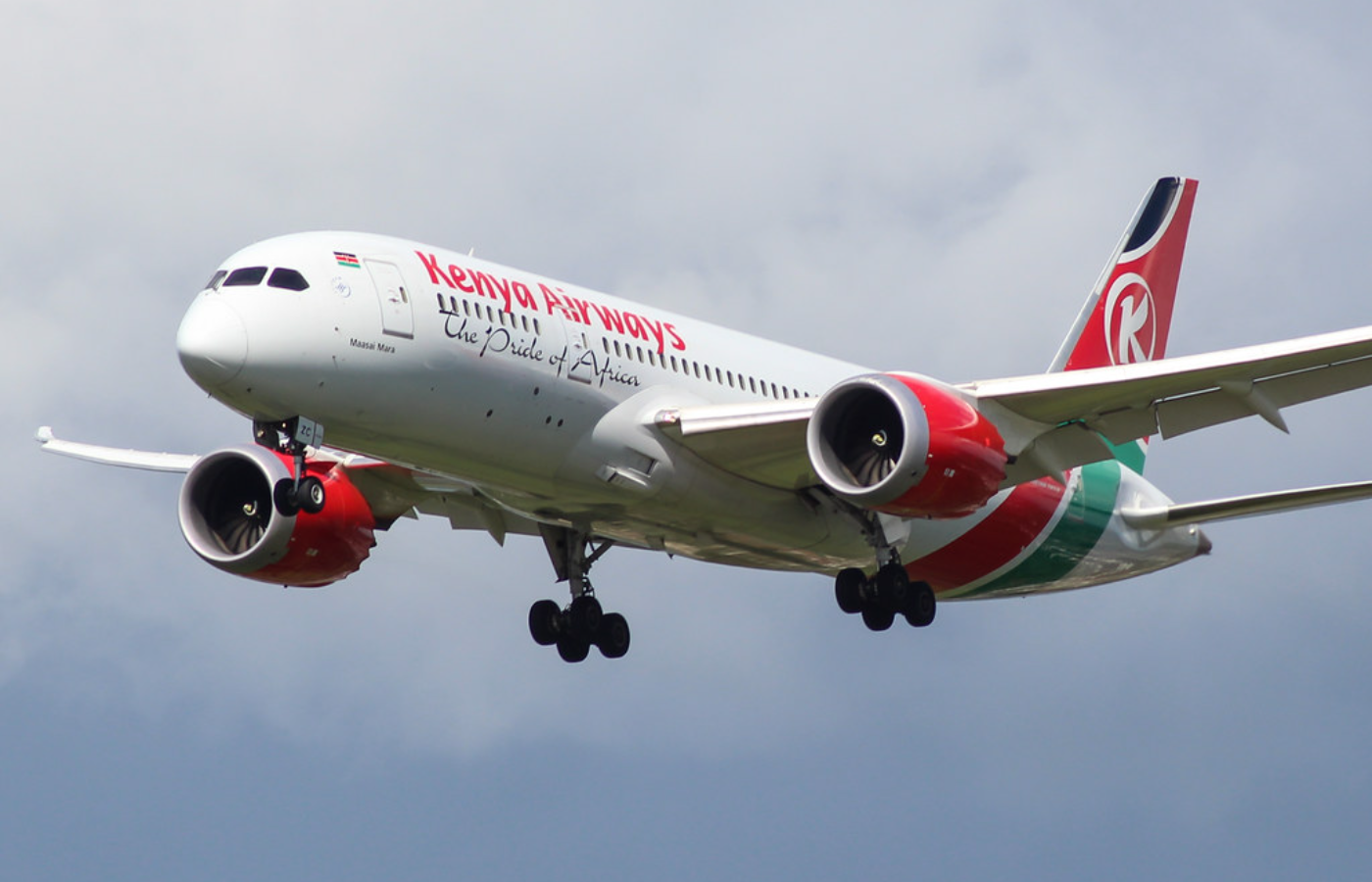
Kenya Airways Back to Loss with 132mln US dollar Hit, Recovery Falters
Comprehensive Summarization:
Kenya Airways reported a significant financial reversal in the year ended December 2025, posting a net loss of 132 million US dollars (Ksh17.2 billion), reversing a 42 million US dollars (Ksh5.4 billion) profit from the previous year. This loss is attributed to falling income, reduced capacity, and rising financing costs. The airline’s financial struggles highlight deep operational and structural pressures it faces. The disclosure of this loss occurred on March 24, 2026, underscoring the challenges the airline is currently navigating in the competitive travel industry.
Key Points:
Actionable Takeaways:
Operational Efficiency Review: Kenya Airways must conduct a thorough review of its operational processes to identify inefficiencies and areas for cost reduction. This could involve renegotiating contracts with suppliers, optimizing flight schedules, and improving load factors to enhance profitability.
Capacity Management: Given the decline in income and reduced capacity, the airline should reassess its fleet utilization and consider strategic decisions such as fleet rationalization or strategic partnerships to enhance capacity and improve revenue streams.
Cost Management: With rising financing costs, Kenya Airways should explore refinancing options to secure more favorable interest rates. Additionally, exploring alternative financing models or partnerships could help alleviate the burden of high financing costs and improve financial stability.
Contextual Insights:
The financial challenges faced by Kenya Airways reflect broader trends within the travel industry, where airlines are grappling with the impacts of fluctuating demand, rising operational costs, and increased competition. The airline’s situation underscores the importance of adaptability and innovation in navigating these challenges. In the current travel landscape, characterized by evolving consumer preferences and technological advancements, airlines must leverage digital tools and data analytics to enhance operational efficiency and customer experience. Furthermore, the airline’s financial struggles highlight the need for strategic partnerships and collaborations within the industry to share resources and mitigate risks. As the travel sector continues to evolve, airlines that prioritize operational excellence, cost management, and strategic partnerships will be better positioned to overcome current challenges and capitalize on emerging opportunities.
Read the Complete Article.
Get curated travel AI insights — choose the newsletters that matter to you.
This spot is reserved for brands with a compelling story for the travel trade. They use this space to cut...
Read moreDetailsTravel One Technologies launches the world’s first Traveler DNA Platform, targeting the structural data gap at the core of an...
Read moreDetails