




No products in the cart.
- Latest
- Trending

Kenya Airways
Comprehensive Summarization:
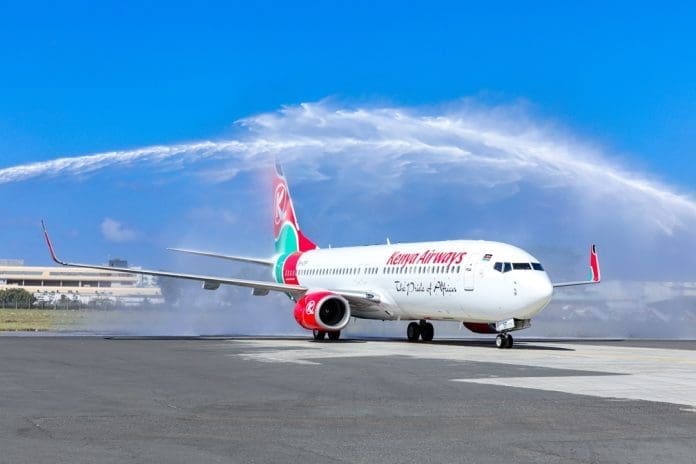
Kenya Airways reported a significant pre-tax loss of 17.93 billion Kenyan shillings ($138.3 million) for the fiscal year ending December 31, 2025, marking a stark contrast to the profit it made just a year prior. This reversal is primarily attributed to the temporary grounding of three wide-body Boeing 787-8 Dreamliner aircraft due to global engine supply issues. The airline disclosed these results on March 24, 2026. The article also touches on the broader travel industry, highlighting recent trends and insights from thought leaders, emphasizing the need for adaptability and innovation in response to ongoing challenges.
Key Points:
Actionable Takeaways:
Diversify Fleet and Supply Chains: Airlines should consider diversifying their aircraft fleets and supply chains to mitigate risks associated with global supply chain disruptions. This could involve investing in alternative aircraft models or securing multiple suppliers for critical components.
Invest in Engine Technology: There is a clear need for investment in engine technology and supply chain resilience. Airlines and aviation manufacturers should collaborate to ensure a steady supply of critical components, potentially through strategic partnerships or diversified sourcing strategies.
Focus on Cost Management: The financial setback underscores the importance of cost management in the travel industry. Airlines should explore operational efficiencies, fare structures, and ancillary revenue streams to improve profitability amid challenging market conditions.
Contextual Insights:
The article reflects the ongoing challenges faced by the travel industry, particularly in the wake of global supply chain disruptions and the impact of engine supply issues on major airlines. These challenges highlight the need for adaptability and innovation within the sector. Thought leaders emphasize the importance of investing in resilient supply chains and exploring technological advancements to mitigate risks. The grounding of aircraft due to engine supply issues underscores the vulnerability of airlines to external factors, emphasizing the need for strategic planning and agility in response to such disruptions. As the industry evolves, staying ahead of these challenges through informed decision-making and forward-thinking strategies will be crucial for sustained success.
Read the Complete Article.
Get curated travel AI insights — choose the newsletters that matter to you.
This spot is reserved for brands with a compelling story for the travel trade. They use this space to cut...
Read moreDetailsTravel One Technologies launches the world’s first Traveler DNA Platform, targeting the structural data gap at the core of an...
Read moreDetails