







No products in the cart.
- Latest
- Trending


(Korean Air)
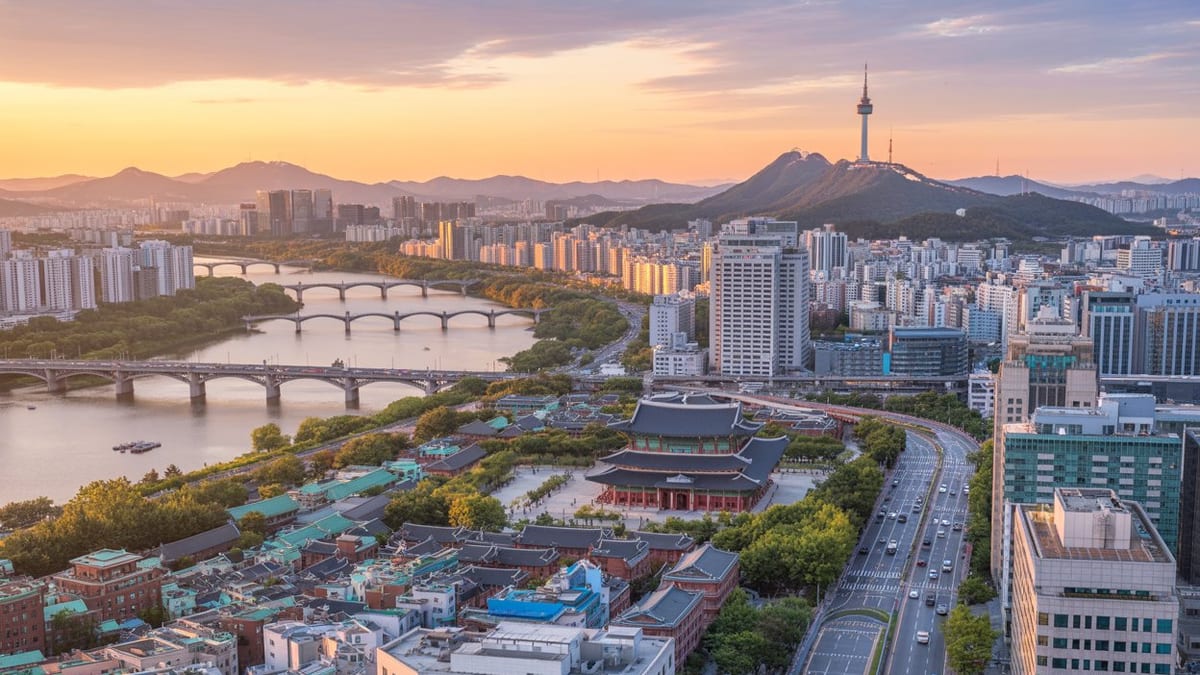
South Korea’s tourism industry is experiencing an unprecedented boom, largely fueled by the global phenomenon of Hallyu, or the Korean Wave. Recent reports indicate a significant surge in foreign visitor numbers and spending, with the nation firmly establishing itself as a premier global travel destination. This success story is not just about cultural influence; it’s a testament to strategic planning and a growing international appetite for authentic Korean experiences.
The data paints a compelling picture of robust growth. In the first quarter of 2024, the number of foreign tourists visiting South Korea reached an impressive 1.46 million, marking a substantial increase compared to the same period last year. This surge signifies a strong recovery and impressive expansion of inbound tourism. Driving this influx are travelers from key markets, with Japan, China, and Southeast Asia leading the charge. The increasing accessibility and appeal of South Korea as a travel destination are clearly resonating with a diverse international audience.
A significant factor contributing to this positive trend is the continued global fascination with Korean culture, particularly K-pop, K-dramas, and Korean cuisine. This "Hallyu effect" translates directly into economic benefits, with visitors actively seeking out experiences related to their favorite cultural exports. From visiting filming locations of popular dramas to attending concerts and exploring themed cafes, the cultural footprint of Hallyu is a powerful magnet for tourism. This cultural capital is proving to be a sustainable and potent driver of visitor engagement and spending.
Beyond cultural tourism, South Korea is also attracting a growing number of business travelers and medical tourists, further diversifying its inbound market. The nation’s advanced infrastructure, coupled with its reputation for technological innovation and high-quality healthcare, contributes to its appeal in these sectors. This multi-faceted approach to attracting visitors ensures a broader and more resilient tourism ecosystem.
The economic impact of this tourism boom is substantial. The increased visitor numbers are directly translating into higher spending, boosting various sectors of the Korean economy, including accommodation, dining, retail, and transportation. This ripple effect underscores the vital role tourism plays in national economic prosperity and job creation. The government and industry stakeholders are working collaboratively to maintain this momentum, focusing on enhancing visitor experiences, diversifying tourism products, and promoting sustainability.
Looking ahead, the outlook for South Korea’s tourism sector remains exceptionally bright. Continued investment in tourism infrastructure, marketing initiatives, and the cultivation of unique cultural experiences are expected to sustain this upward trajectory. The nation is not just experiencing a tourism rebound; it’s solidifying its position as a leading global destination, powered by the enduring allure of Hallyu and a commitment to providing world-class travel opportunities.
Read the Complete Article.
Get curated travel AI insights — choose the newsletters that matter to you.
ALTOUR Expands into Thailand, Strengthening Corporate Travel Network Across Southeast Asia BANGKOK, THAILAND (25 March, 2026) – ALTOUR, a leading...
Read moreDetails


Beijing — 2023-10-01 In short: Fliggy, Alibaba's travel platform, launches AI-powered travel concierge to streamline planning and on-the-road assistance. Fliggy...
Read moreDetails