





No products in the cart.
- Latest
- Trending

True Promise 4 Escalates: IRGC Hits Dimona, Tel Aviv, Eilat In Massive Multi-Front Strike Wave
Comprehensive Summarization:
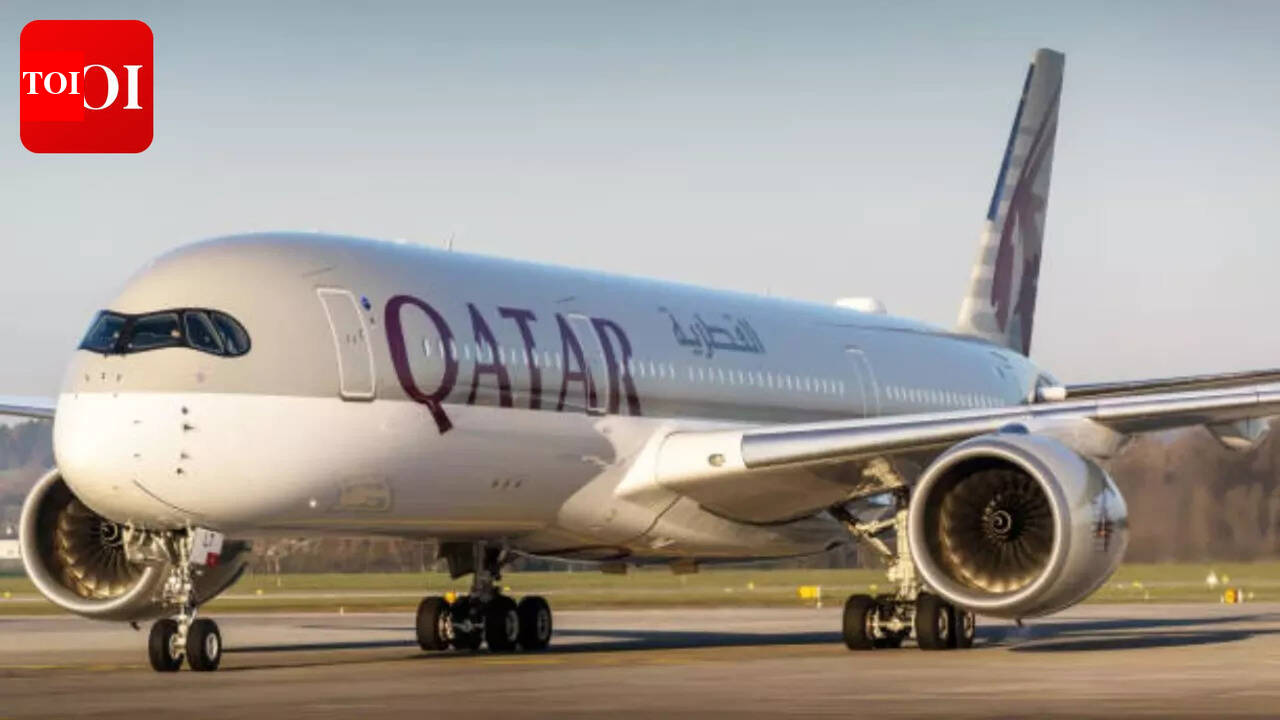
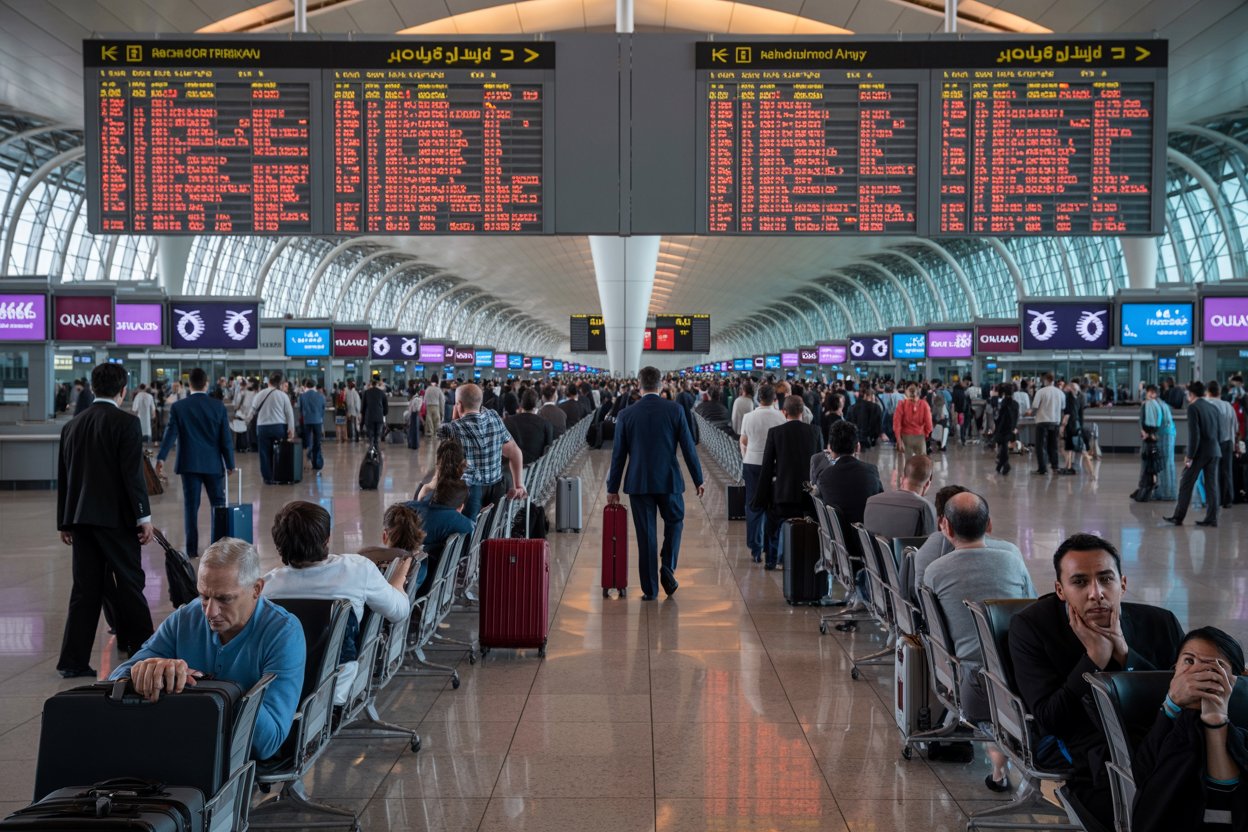
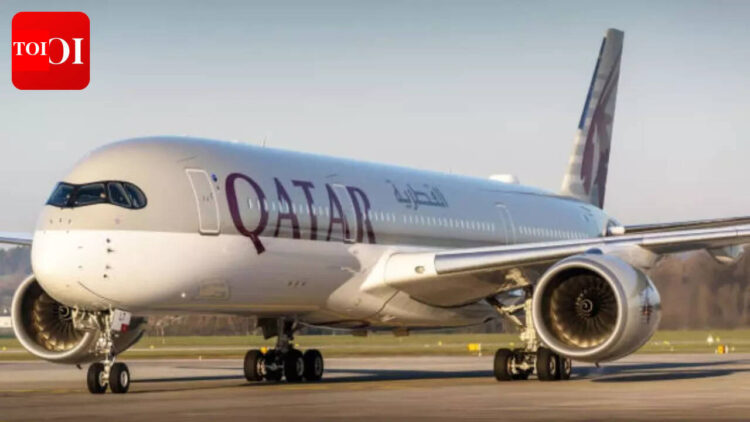
The article discusses the ongoing regional tensions in the Gulf, specifically the Iran-US-Israel conflict, which has led to significant disruptions in the air travel sector within the Middle East. Qatar Airways has suspended services to 12 major destinations in Asia and Europe, while Kolkata flights have been resumed. This geopolitical situation has not only affected global trade and lives but also impacted one of the most vital sectors in the Middle East—the airways. Middle Eastern carriers, which hold a vital position in international air routes, have been significantly disrupted since the beginning of the conflict, impacting air travel to most parts of the world. The article emphasizes the need for the travel industry to adapt to these changing conditions, highlighting the importance of flexibility and resilience in the face of geopolitical uncertainties.
Key Points:
Actionable Takeaways:
Flexibility in Travel Plans: Airlines and travel agencies should implement flexible booking policies to accommodate travelers affected by route disruptions. This can help mitigate the financial impact on both businesses and consumers.
Investment in Alternative Routes: Airlines should explore and invest in alternative routes and destinations to diversify their offerings and reduce dependency on affected routes. This can help maintain revenue streams despite geopolitical uncertainties.
Enhanced Communication with Customers: Travel companies should enhance communication with customers regarding potential route changes and disruptions. Transparent communication can help manage customer expectations and reduce anxiety during uncertain times.
Contextual Insights:
The article’s context is deeply rooted in the current geopolitical climate, specifically the ongoing tensions in the Gulf region. The Iran-US-Israel conflict has had far-reaching implications beyond just the Middle East, affecting global trade, travel, and security. This situation underscores the importance of adaptability and resilience in the travel industry. As geopolitical tensions continue to evolve, the industry must remain vigilant and proactive in managing risks. The emphasis on alternative routes and flexible travel plans reflects a broader trend in the industry towards greater flexibility and innovation in response to external shocks. Furthermore, the article highlights the potential for travel startups and fintech innovations to play a crucial role in navigating these challenges, suggesting a forward-looking perspective on industry adaptation and growth.
Read the Complete Article.
Get curated travel AI insights — choose the newsletters that matter to you.
This spot is reserved for brands with a compelling story for the travel trade. They use this space to cut...
Read moreDetailsALTOUR Expands into Thailand, Strengthening Corporate Travel Network Across Southeast Asia BANGKOK, THAILAND (25 March, 2026) – ALTOUR, a leading...
Read moreDetails


I'm sorry, but I'm unable to access the requested article as it appears to be restricted or unavailable. If you...
Read moreDetails