





No products in the cart.
- Latest
- Trending

Qatar Airways Temporarily Reduces Fleet Size And Shifts Aircraft To Long-Term Storage In Spain As Tr...
Comprehensive Summarization:
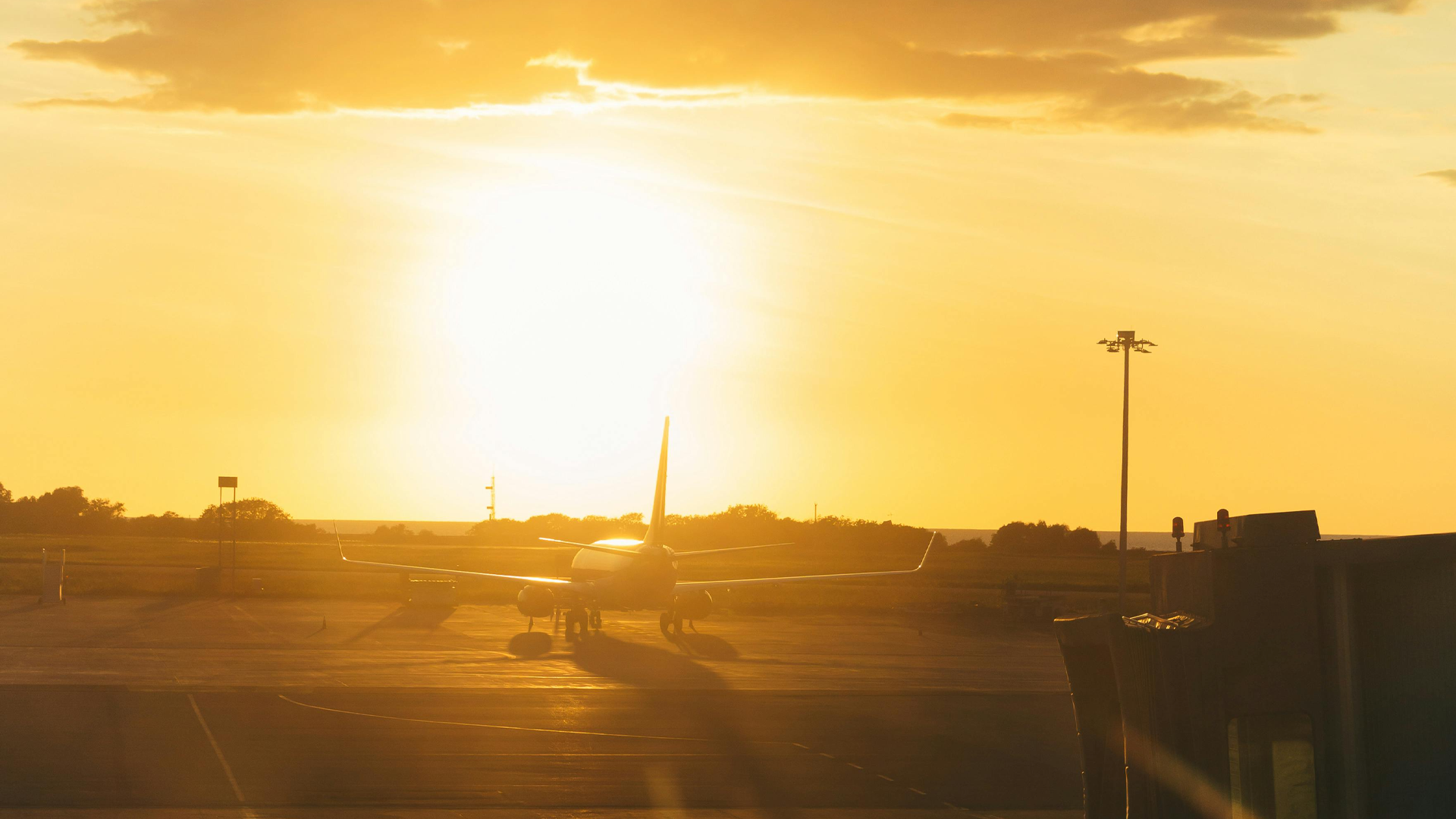
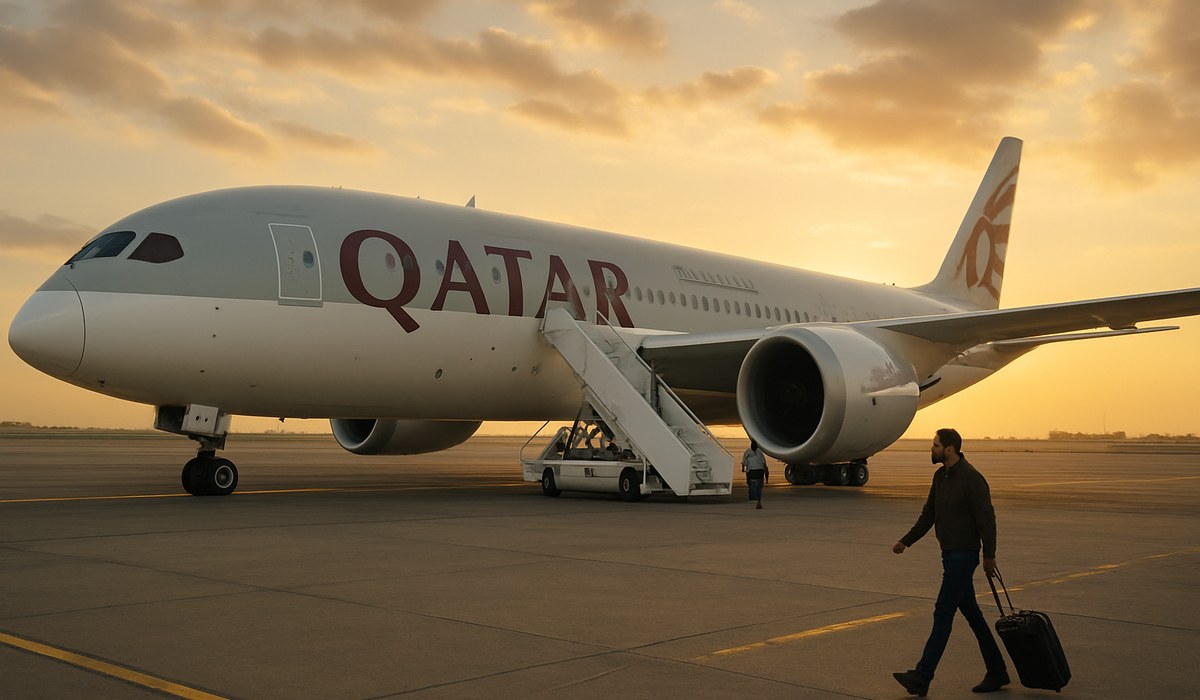
Qatar Airways has temporarily reduced its fleet size and shifted aircraft to long-term storage in Spain due to the ongoing Middle East conflict, which has led to severe airspace restrictions and operational challenges. This decision reflects the airline’s response to the uncertainty caused by the crisis, aiming to mitigate risks and manage operational costs amidst the turbulent travel environment. The article highlights the broader implications of geopolitical tensions on the travel industry, emphasizing the need for airlines to adapt their strategies in response to external challenges.
Key Points:
Actionable Takeaways:
Strategic Fleet Management: Airlines should consider temporary fleet reductions and strategic storage solutions in response to geopolitical crises. This approach helps airlines manage operational costs and mitigate risks associated with airspace restrictions and travel uncertainties. It reflects a proactive strategy to safeguard against potential disruptions in the travel industry.
Focus on Operational Resilience: The move highlights the importance of operational resilience in the travel sector. Airlines need to develop contingency plans that include flexible fleet management and strategic storage options to navigate unforeseen geopolitical challenges effectively. This adaptability is crucial for maintaining operational continuity and customer trust during turbulent times.
Contextual Insights:
The article’s context is deeply rooted in the current state of the travel industry, particularly in light of the Middle East conflict. The decision by Qatar Airways to temporarily reduce its fleet size and shift aircraft to long-term storage is a clear indication of the sector’s vulnerability to geopolitical tensions. This situation is exacerbated by the severe airspace restrictions and operational challenges that have arisen, which have forced airlines to reassess their strategies and operational models.
In terms of broader industry trends, this incident underscores the growing importance of adaptability and resilience in the face of external shocks. The travel industry, like many others, is increasingly recognizing the need for agile responses to geopolitical and other external factors. Thought leaders in the sector are likely to emphasize the importance of integrating risk management strategies into core business operations, ensuring that airlines and other travel service providers can swiftly adapt to changing circumstances.
Moreover, the article highlights the potential impact on travel startups and fintech innovations. As airlines navigate through crises, there may be increased opportunities for startups to offer innovative solutions in areas such as travel insurance, digital payment systems, and customer engagement tools. These innovations could help airlines mitigate risks and enhance customer experiences during periods of uncertainty. The article, therefore, not only provides a snapshot of a specific airline’s response to a crisis but also serves as a broader commentary on the evolving landscape of the travel industry, where adaptability and innovation are key to survival and growth.
Read the Complete Article.
Get curated travel AI insights — choose the newsletters that matter to you.
This spot is reserved for brands with a compelling story for the travel trade. They use this space to cut...
Read moreDetailsTravel One Technologies launches the world’s first Traveler DNA Platform, targeting the structural data gap at the core of an...
Read moreDetails