












Comprehensive Summarization:
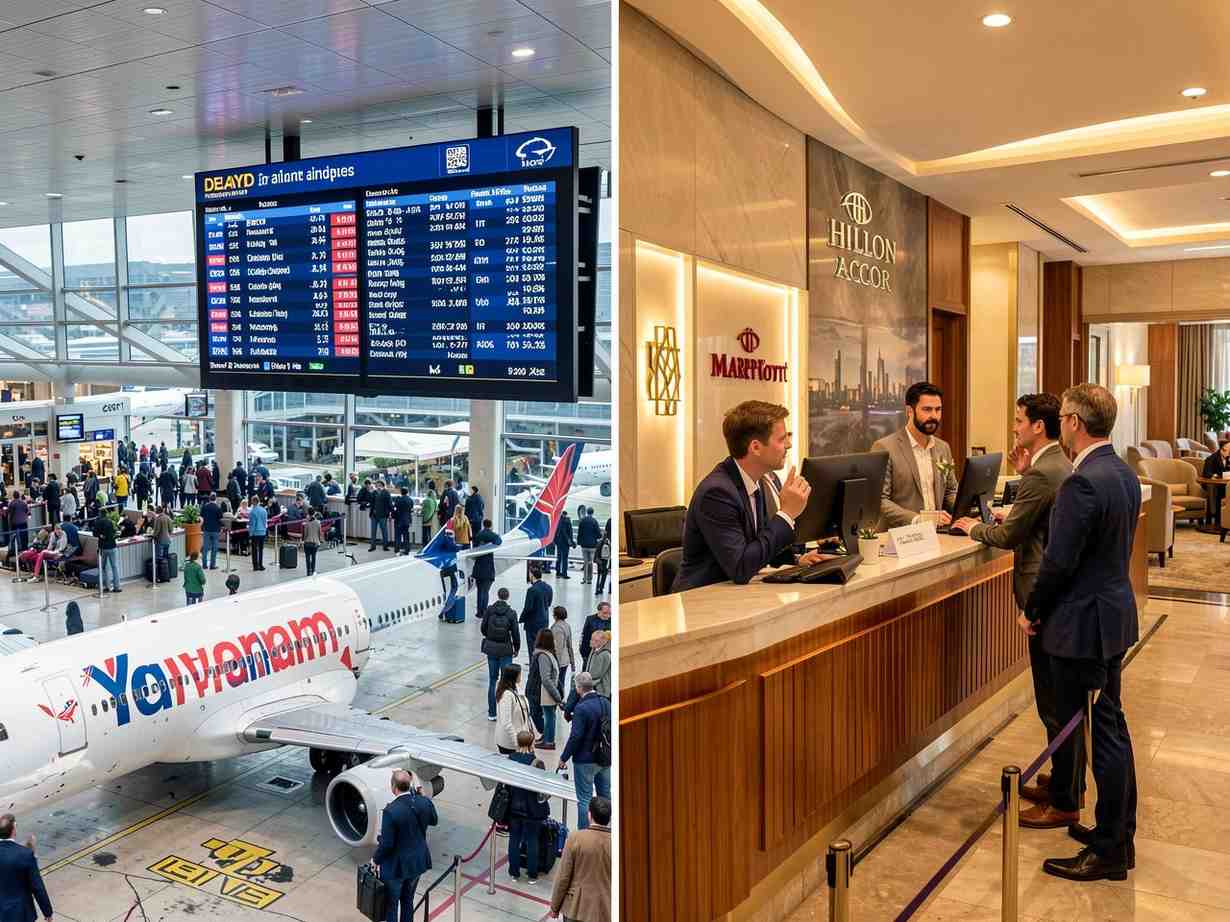
Vietnam Airlines, Emirates, Qatar Airways, Turkish Airlines, and Etihad Airways are experiencing significant operational disruptions due to escalating tensions in the Middle East. These disruptions are forcing airlines to reroute flights, impacting tourism in Vietnam, France, Germany, and the hotel sectors of Hilton, Accor, and Marriott. The article, published on March 7, 2026, highlights the challenges faced by these major airlines as they navigate the complex geopolitical landscape, which is affecting travel costs and consumer behavior in the tourism industry.
Key Points:
- Operational Disruptions: Vietnam Airlines, Emirates, Qatar Airways, Turkish Airlines, and Etihad Airways are facing significant operational challenges due to the Middle East conflict.
- Rerouted Flights: The airlines are forced to reroute flights, which is impacting travel schedules and potentially increasing costs for passengers.
- Impact on Tourism: The disruptions are affecting tourism in Vietnam, France, and Germany, with potential implications for the hotel sectors of Hilton, Accor, and Marriott.
- Geopolitical Impact: The escalating tensions in the Middle East are having a direct impact on the travel industry, influencing both operational strategies and consumer decisions.
Actionable Takeaways:
- Adaptation Strategies: Airlines should develop flexible rerouting strategies to minimize disruptions and maintain service continuity. This includes investing in advanced route optimization technologies to quickly adapt to geopolitical changes.
- Collaborative Risk Management: Travel companies, including airlines and hotels, should collaborate on risk management strategies. Sharing real-time data on geopolitical developments can help in preemptively adjusting operations and mitigating financial impacts.
- Focus on Digital Transformation: The article underscores the need for digital transformation in the travel industry. Investing in technology that enhances operational efficiency and customer experience can provide a competitive edge, especially in volatile market conditions.
Contextual Insights:
The article reflects the current state of the travel industry, where geopolitical tensions can have far-reaching effects on operational logistics and consumer behavior. The Middle East conflict is a prime example of how external geopolitical events can disrupt travel plans and impact tourism destinations. This situation highlights the importance of adaptability and resilience in the travel sector. Furthermore, the emphasis on digital transformation aligns with broader industry trends, where technology plays a crucial role in navigating uncertainties and enhancing service delivery. As the travel industry continues to evolve, staying ahead of geopolitical developments and leveraging technological advancements will be key to sustaining growth and ensuring customer satisfaction.
Read the Complete Article.



