
















Travel Capitalist Ventures Expands Check Size to $10 Million to Deepen Emerging Market Conviction
Boutique Travel VC raises investment cap from $1.5M to $10M to lead rounds and support portfolio companies through growth Travel...
Read moreDetails
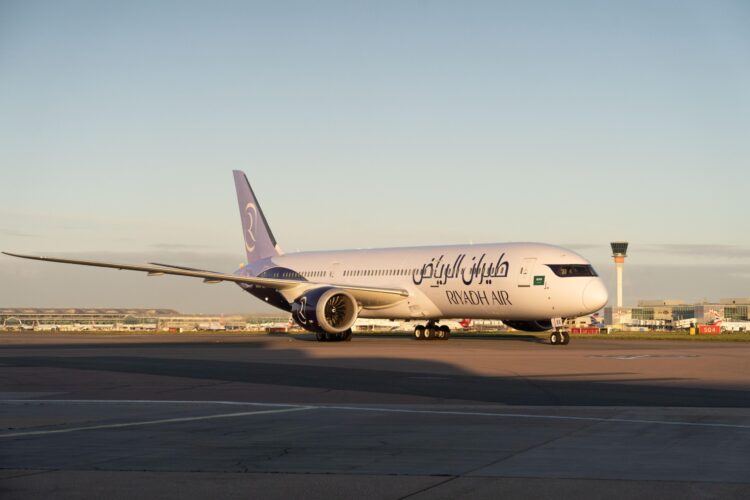
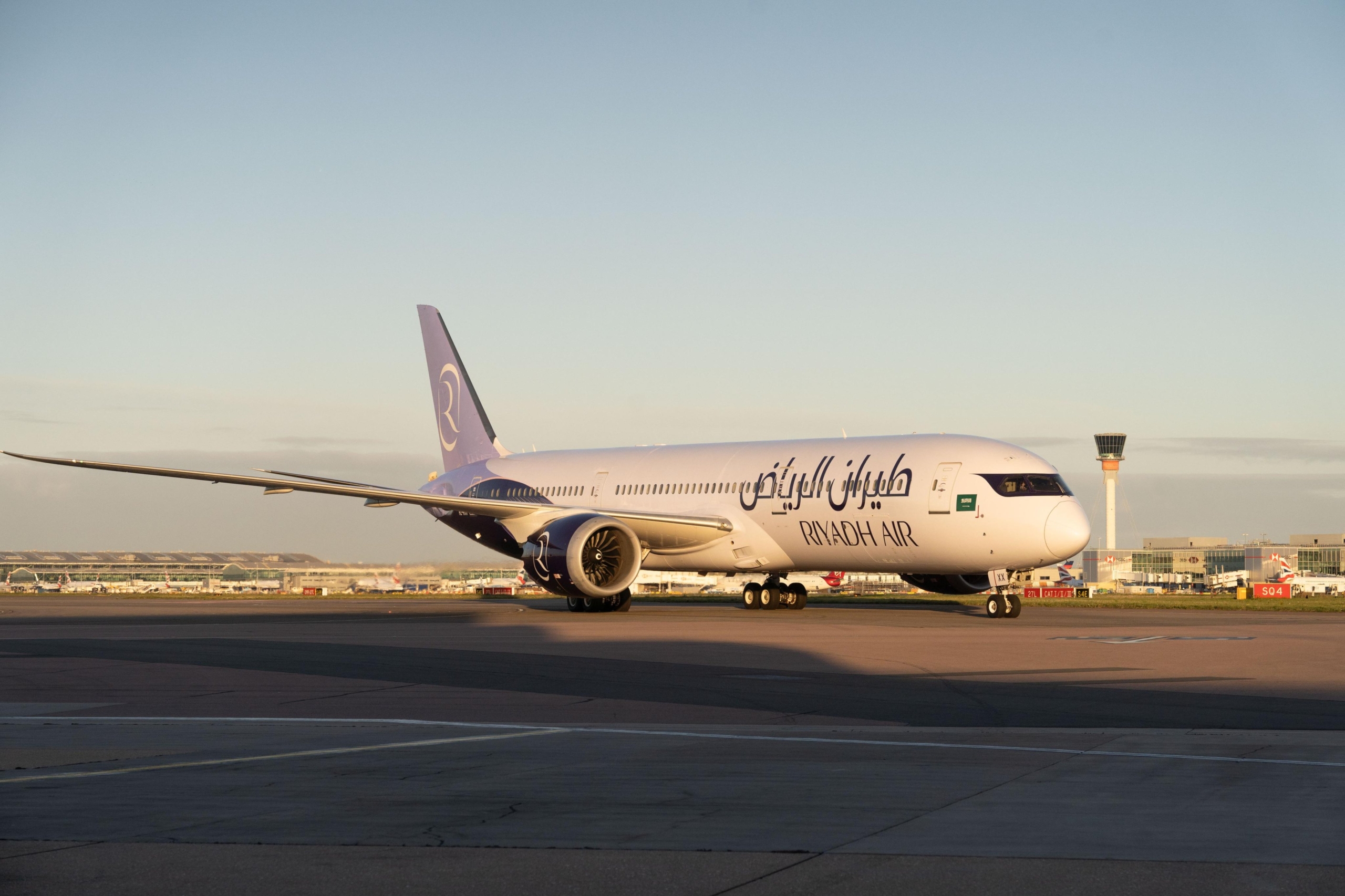
Photo: Riyadh Air
Article Summary:
Riyadh Air has successfully launched its inaugural flight from Riyadh to London Heathrow, utilizing a Boeing 787 aircraft named Jamila. This Boeing 787 serves as a technical spare aircraft for the airline, marking a significant step in Riyadh Air’s preparations for its daily service between Riyadh and London Heathrow. The article also touches on the broader travel industry trends and insights, highlighting the importance of innovation and adaptability in the sector.
Key Points:
Actionable Takeaways:
Contextual Insights:
The launch of Riyadh Air’s daily flight using a Boeing 787 aircraft is a testament to the evolving landscape of the travel industry. With the recent surge in travel demand post-pandemic, airlines are leveraging advanced technologies and strategic fleet management to enhance their service offerings. This development aligns with the current industry trend of integrating technological advancements to improve operational efficiency and passenger experience. Furthermore, the focus on daily services between key cities like Riyadh and London Heathrow underscores the growing importance of direct flights in meeting the travel needs of business and leisure travelers. As the industry continues to recover and expand, such strategic moves by airlines will likely shape future market dynamics and set new standards for service excellence.
Read the Complete Article.
Boutique Travel VC raises investment cap from $1.5M to $10M to lead rounds and support portfolio companies through growth Travel...
Read moreDetails




