









No products in the cart.
- Latest
- Trending

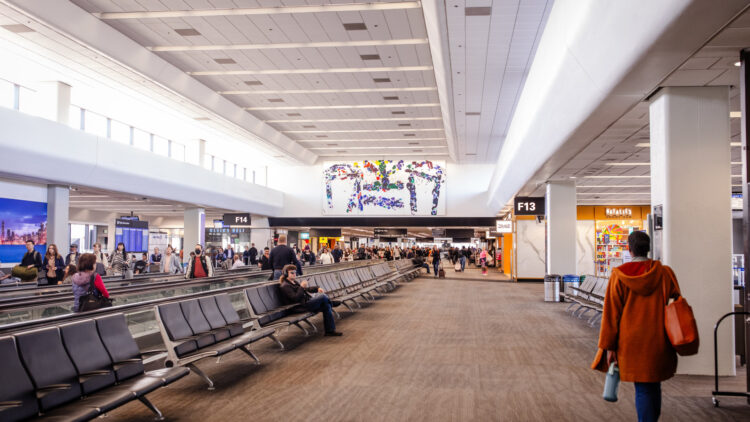
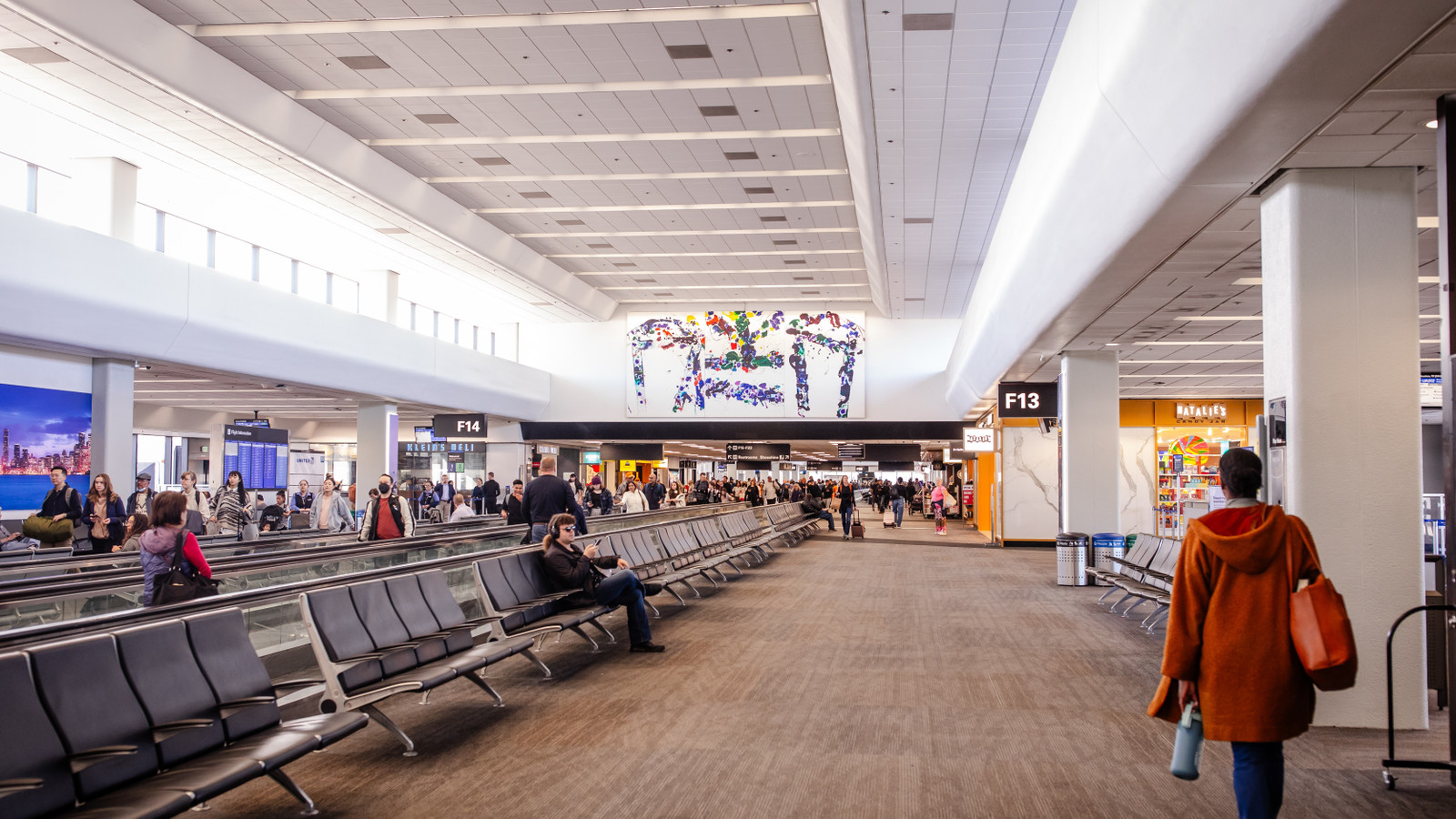
Inside a terminal of SFO, San Francisco International Airport. Interior view of San Francisco International Airport, one of the busiest airports in US.
Comprehensive Summarization:
The article discusses the ongoing impact of the partial government shutdown on the travel industry, particularly focusing on how airlines like United and Delta are adapting to the situation. Hubs such as Hartsfield-Jackson Airport are now utilizing ICE agents at security checks to expedite passenger flow. Despite these measures, lines remain long, leading to concerns about the responsibilities and duties of these ICE agents. In response to traveler concerns, airlines like Delta Air Lines are offering flexible rebooking options to mitigate the extended security wait times. The article also touches on broader travel trends and insights from industry thought leaders, highlighting the need for innovative solutions in security and passenger flow management.
Key Points:
Actionable Takeaways:
Implement Flexible Rebooking Policies: Airlines should continue to offer flexible rebooking options to mitigate the impact of security delays on passenger travel plans. This approach not only addresses immediate passenger concerns but also enhances overall customer satisfaction during operational disruptions.
Invest in Advanced Security Technologies: To reduce wait times and improve efficiency, airlines should invest in advanced security technologies, such as automated screening systems or AI-driven security agents. This investment can help streamline the security process, reduce the need for ICE agents, and enhance the passenger experience.
Enhance Communication with Passengers: Clear and proactive communication with passengers about security wait times and available options (e.g., flexible rebooking) is crucial. Airlines should leverage digital platforms and customer service channels to keep passengers informed and manage their expectations during disruptions.
Contextual Insights:
The article reflects the current challenges faced by the travel industry due to the partial government shutdown, a situation that underscores the vulnerability of travel operations to external disruptions. The deployment of ICE agents at security checks is a pragmatic response to the need for faster passenger processing, but it also highlights the limitations of traditional security measures. The industry’s response, including flexible rebooking options and investments in advanced technologies, demonstrates a trend toward innovation and resilience in the face of adversity. Looking forward, the integration of AI and automation in security processes is likely to become a key focus for travel companies, as they seek to enhance efficiency and passenger satisfaction. This shift aligns with broader industry trends toward digital transformation and the adoption of technology to overcome operational challenges.
Read the Complete Article.
Get curated travel AI insights — choose the newsletters that matter to you.
This spot is reserved for brands with a compelling story for the travel trade. They use this space to cut...
Read moreDetailsTravel One Technologies launches the world’s first Traveler DNA Platform, targeting the structural data gap at the core of an...
Read moreDetails