







No products in the cart.
- Latest
- Trending


Airbus
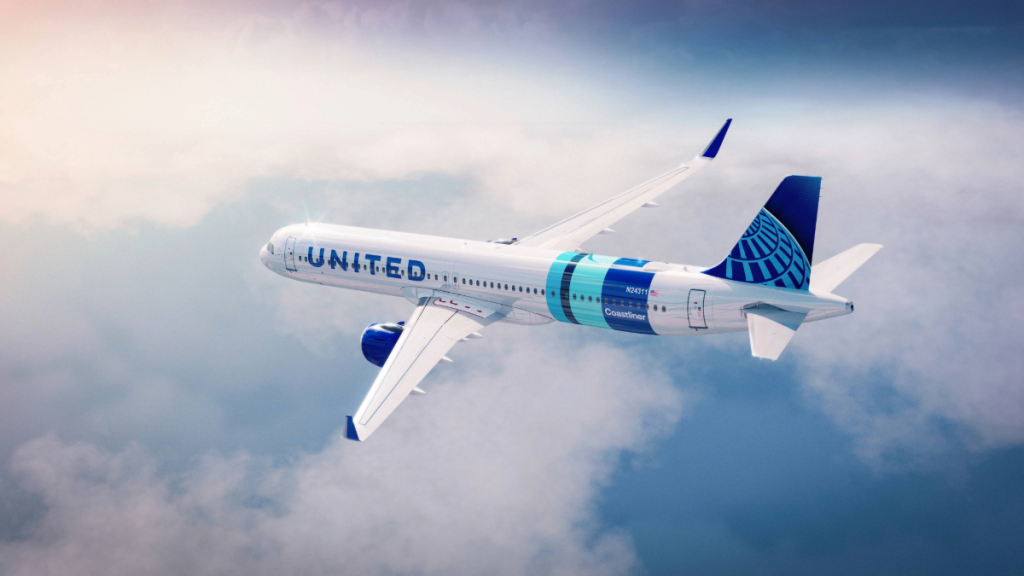
United Airlines CEO Discusses A350 Long-Haul Fleet Strategy
United Airlines’ CEO, Scott Kirby, has provided insights into the airline’s strategic use of the Airbus A350 in its long-haul fleet. The A350 is positioned as a critical component of United’s international expansion and its strategy for operating thinner, more efficient long-haul routes.
Kirby highlighted the A350’s capabilities, emphasizing its fuel efficiency and range. These characteristics are crucial for United as it aims to open new international markets and offer direct services to destinations that might not support larger aircraft. The airline plans to deploy the A350 on a variety of international routes, including those to Europe and Asia.
The A350’s design allows for greater flexibility in route planning, enabling United to connect cities that previously lacked direct flight options. This strategy focuses on maximizing the utility of the aircraft by deploying it on routes where its efficiency and range can provide a competitive advantage. The airline’s approach suggests a move towards optimizing its long-haul network by leveraging the advanced technology of the A350.
United’s CEO indicated that the airline is committed to expanding its international presence, and the A350 is central to achieving this goal. The aircraft’s modern features are expected to enhance the passenger experience while simultaneously improving operational efficiency for the airline.
Key Points
Read the Complete Article.
Get curated travel AI insights — choose the newsletters that matter to you.
This spot is reserved for brands with a compelling story for the travel trade. They use this space to cut...
Read moreDetailsTravel One Technologies launches the world’s first Traveler DNA Platform, targeting the structural data gap at the core of an...
Read moreDetails