








No products in the cart.
- Latest
- Trending

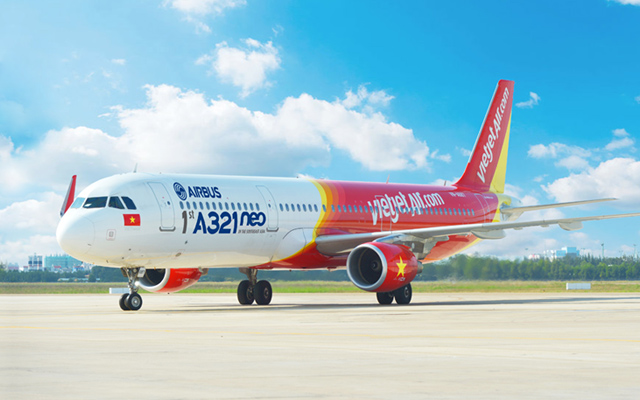
VietJet Air decides to suspend flights as jet fuel prices surge
Comprehensive Summarization:
VietJet Air has abruptly canceled its April flights from Incheon to Phu Quoc, just one week before departure, citing the surge in jet fuel prices as the primary reason. This decision has sparked criticism, with stakeholders arguing that the burden of increased fuel costs has been unfairly shifted onto travelers. The incident has drawn attention to the financial pressures faced by airlines, particularly in the context of fluctuating fuel prices, and has prompted calls for regulatory intervention from the Ministry of Land, Infrastructure and Transport (MOLIT) to address such issues. The article also touches on broader travel trends, highlighting the sensitivity of airlines to external economic factors and the need for robust regulatory frameworks to protect both airlines and passengers.
Key Points:
Actionable Takeaways:
Regulatory Intervention Needed: Airlines are increasingly vulnerable to external economic pressures, such as fuel price fluctuations. The article suggests that regulatory bodies, like MOLIT, should step in to mitigate such impacts on both airlines and passengers. This could involve implementing fuel price caps or providing financial support to airlines during periods of high fuel costs.
Enhanced Transparency in Pricing: The cancellation highlights the importance of transparency in pricing strategies. Airlines should communicate more clearly with passengers about how external factors, like fuel prices, affect flight schedules. This could help manage passenger expectations and reduce backlash against fare increases.
Investment in Fuel-Efficient Technologies: The surge in fuel prices underscores the need for airlines to invest in more fuel-efficient aircraft and technologies. This could include upgrading to newer, more efficient models or investing in biofuels and other sustainable aviation fuels. Such investments could help airlines manage costs more effectively in the long term.
Contextual Insights:
The cancellation of VietJet Air’s Incheon–Phu Quoc flights highlights a recurring theme in the travel industry: the vulnerability of airlines to external economic factors, particularly fuel prices. Recent trends indicate that airlines are increasingly adopting strategies to mitigate such risks, such as diversifying fuel suppliers, investing in fuel-efficient technologies, and implementing more transparent pricing models. Thought leaders in the travel sector emphasize the need for regulatory frameworks that protect both airlines and passengers from sudden economic shocks. For instance, the European Union has been exploring measures to stabilize fuel prices for airlines, reflecting a broader industry-wide concern. Additionally, the rise of sustainable aviation fuels and electric aircraft represents a forward-looking trend that could help airlines reduce their reliance on volatile fuel prices. By embracing these innovations, the industry can build resilience against future fuel price surges and enhance overall sustainability.
Read the Complete Article.
Get curated travel AI insights — choose the newsletters that matter to you.
This spot is reserved for brands with a compelling story for the travel trade. They use this space to cut...
Read moreDetailsTravel One Technologies launches the world’s first Traveler DNA Platform, targeting the structural data gap at the core of an...
Read moreDetails