












Article Summary:
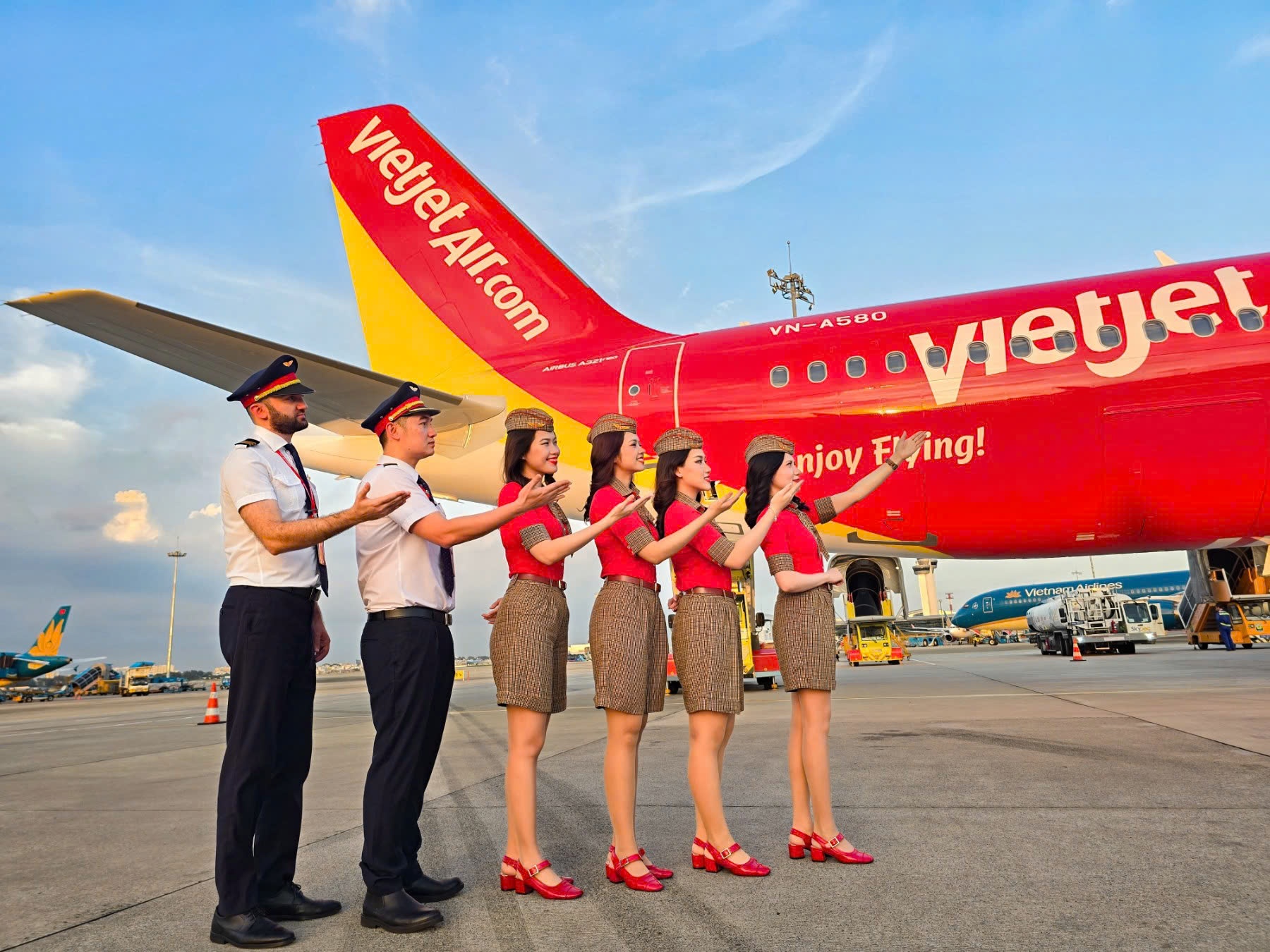
Vietjet has expanded its fleet with the addition of a new Airbus A321neo aircraft, registered as VN-A580. This marks a significant milestone for the carrier, as it is set to receive up to 22 new aircraft by the end of the year, a record expansion. The new aircraft will bolster Vietjet’s operations, including its services in Vietjet Thailand and its next-generation Airbus fleet. This strategic move is aimed at meeting the growing passenger demand ahead of the 2026 Lunar New Year.
Key Points:
- Vietjet has acquired a new Airbus A321neo aircraft, VN-A580, enhancing its aircraft portfolio.
- The carrier is set to receive up to 22 new aircraft by the end of the year, marking a record expansion.
- The new aircraft will be deployed across Vietjet’s operations, including Vietjet Thailand and its next-generation Airbus fleet.
- This expansion is strategic, aimed at supporting rising passenger demand ahead of the 2026 Lunar New Year.
Actionable Takeaways:
- Strategic Fleet Expansion: Vietjet’s acquisition of 22 new aircraft by year-end is a significant move in the travel industry, indicating a strong response to rising passenger demand. This expansion could lead to increased market share and improved service quality, potentially setting a benchmark for other carriers in the region.
- Focus on Next-Generation Aircraft: The inclusion of Airbus A321neo and next-generation Airbus aircraft highlights a trend towards modern, fuel-efficient aircraft in the industry. This shift towards newer technology could drive innovation in aircraft design and operational efficiency, influencing future procurement decisions in the sector.
- Preparation for Major Travel Events: The timing of this fleet expansion ahead of the 2026 Lunar New Year suggests a strategic alignment with major travel events. This proactive approach could enhance Vietjet’s competitiveness during peak travel seasons, potentially attracting more passengers and increasing revenue.
Contextual Insights:
Vietjet’s strategic fleet expansion is a clear response to the growing demand in the travel industry, particularly in light of major events like the Lunar New Year. This move aligns with broader industry trends towards modernizing fleets with fuel-efficient aircraft, reflecting a commitment to sustainability and operational excellence. The focus on next-generation aircraft also underscores the importance of technological advancement in maintaining competitive advantage. As the travel industry continues to evolve, such strategic expansions and technological investments will likely become more prevalent, shaping the future of air travel.
Read the Complete Article.



