



















Travel Capitalist Ventures Expands Check Size to $10 Million to Deepen Emerging Market Conviction
Boutique Travel VC raises investment cap from $1.5M to $10M to lead rounds and support portfolio companies through growth Travel...
Read moreDetails
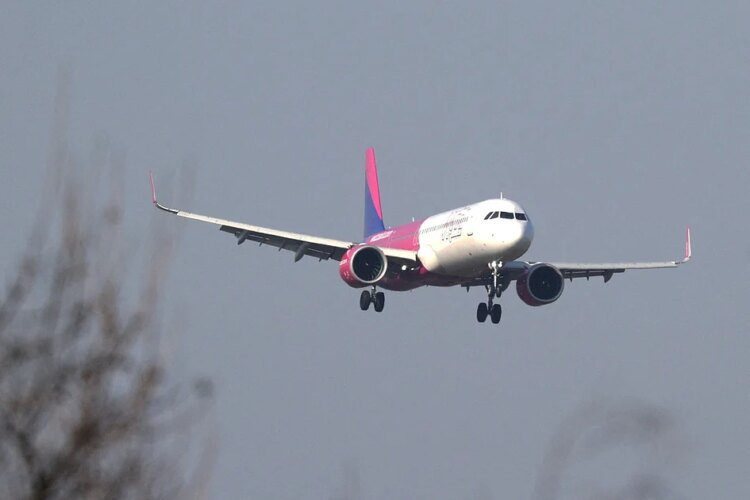
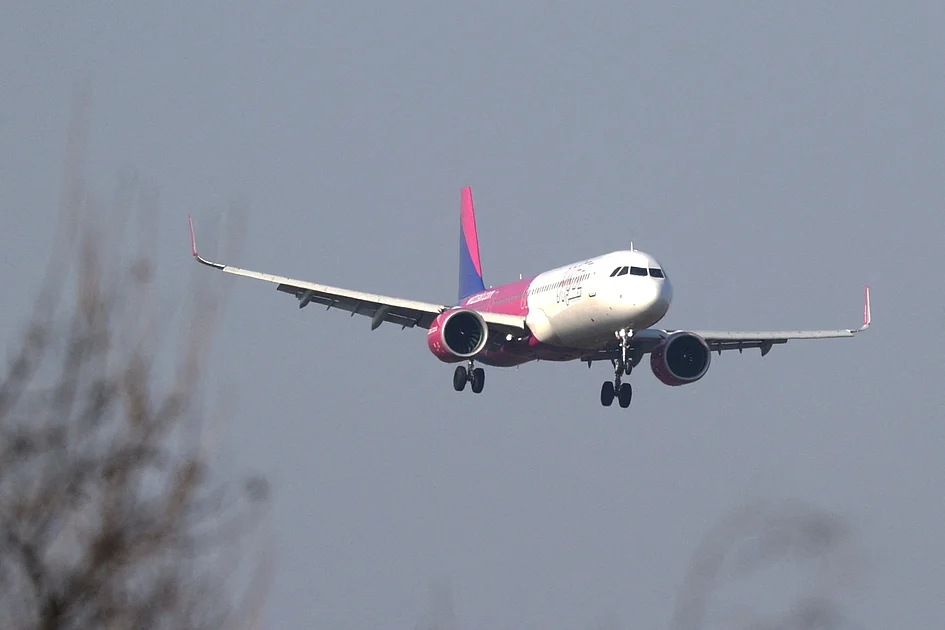
Airbus A320 recall: IndiGo, Wizz Air complete update with zero flight cancellations
Article Summary:
The article reports on a software glitch affecting Airbus A320 jets, leading to a recall by Airbus and subsequent disruptions in travel schedules across several regions. Airlines such as Gulf Air, IndiGo, and Air India have issued updates to reassure passengers of their efforts to fix the issue and maintain flight schedules. The Indian aviation regulator, DGCA, confirmed that the software fix was completed in 270 out of their 338 aircraft. The article also touches on the broader context of travel tech, emphasizing the importance of timely software updates and regulatory oversight in maintaining aviation safety and operational efficiency.
Key Points:
Actionable Takeaways:
Contextual Insights:
The recent software glitch affecting Airbus A320 jets underscores the critical importance of software reliability in the aviation industry. The incident not only disrupted travel schedules but also highlighted the need for stringent software testing and regulatory oversight. As the travel industry continues to evolve, with increasing reliance on technology, the focus on innovation and safety will remain paramount. Startups and established airlines alike must prioritize the development of robust software solutions and ensure compliance with regulatory standards to navigate the challenges of modern aviation. This article serves as a reminder of the delicate balance between technological advancement and operational safety, areas that thought leaders continue to emphasize in shaping the future of travel.
Read the Complete Article.
Boutique Travel VC raises investment cap from $1.5M to $10M to lead rounds and support portfolio companies through growth Travel...
Read moreDetails




