Article Summary:
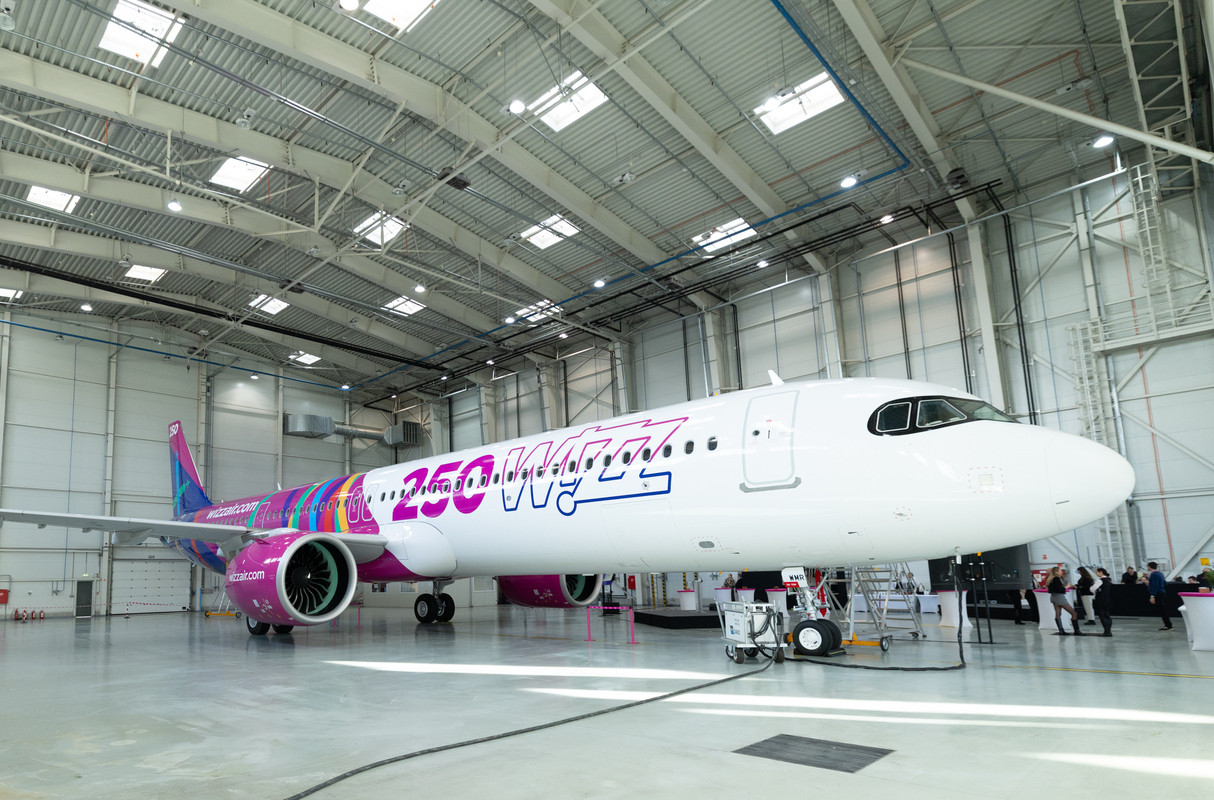
Wizz Air, Europe’s fastest-growing airline and the top low-cost carrier in Central and Eastern Europe, has welcomed its 250th aircraft. This milestone represents the halfway point toward the company’s goal of operating a 500-aircraft fleet. The arrival of the new aircraft underscores Wizz Air’s rapid growth and its commitment to offering affordable and convenient flights across Europe and beyond.
Key Points:
- Wizz Air has added its 250th aircraft, marking a significant milestone in its growth trajectory.
- The airline is on track to reach a fleet size of 500 aircraft, indicating a strategic expansion plan.
- The growth of Wizz Air highlights the increasing demand for affordable and convenient travel options across Europe and beyond.
Actionable Takeaways:
- Strategic Fleet Expansion: Wizz Air’s addition of its 250th aircraft demonstrates a deliberate strategy to scale operations. This expansion is likely aimed at increasing market share, enhancing service offerings, and capitalizing on the growing demand for low-cost travel in Europe. For industry stakeholders, this could signal a trend towards aggressive fleet growth among low-cost carriers, potentially influencing competitive dynamics in the sector.
- Focus on Affordable Travel: The emphasis on affordable and convenient flights suggests that Wizz Air is responding to current travel trends that prioritize cost-efficiency and accessibility. For travel service providers and fintech companies, this presents an opportunity to innovate in areas such as pricing models, payment solutions, and customer loyalty programs that cater to budget-conscious travelers.
- Market Positioning: Reaching the halfway point towards a 500-aircraft fleet positions Wizz Air as a dominant player in Central and Eastern Europe’s low-cost carrier market. This milestone could influence market positioning strategies for competitors and encourage a reevaluation of growth strategies among other airlines in the region. For startups and established players in the travel tech sector, this could inspire the development of technologies that support fleet management, route optimization, and customer engagement in the context of rapid fleet expansion.
Read the Complete Article.