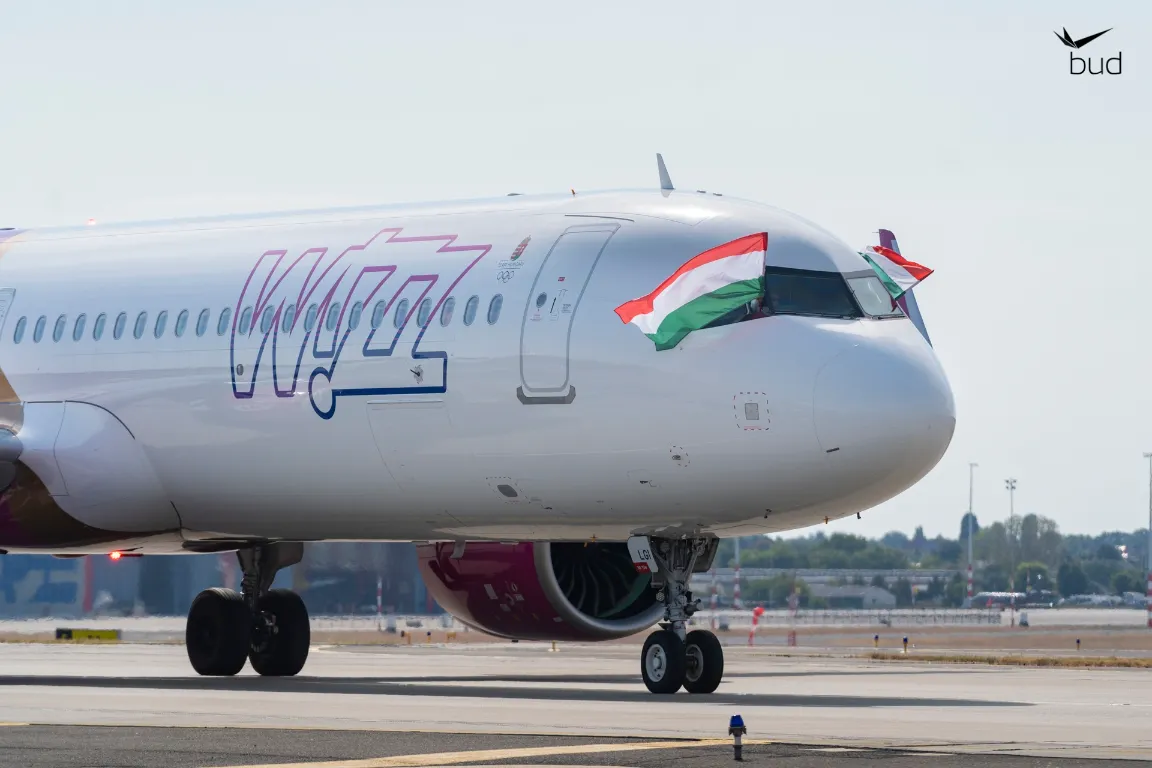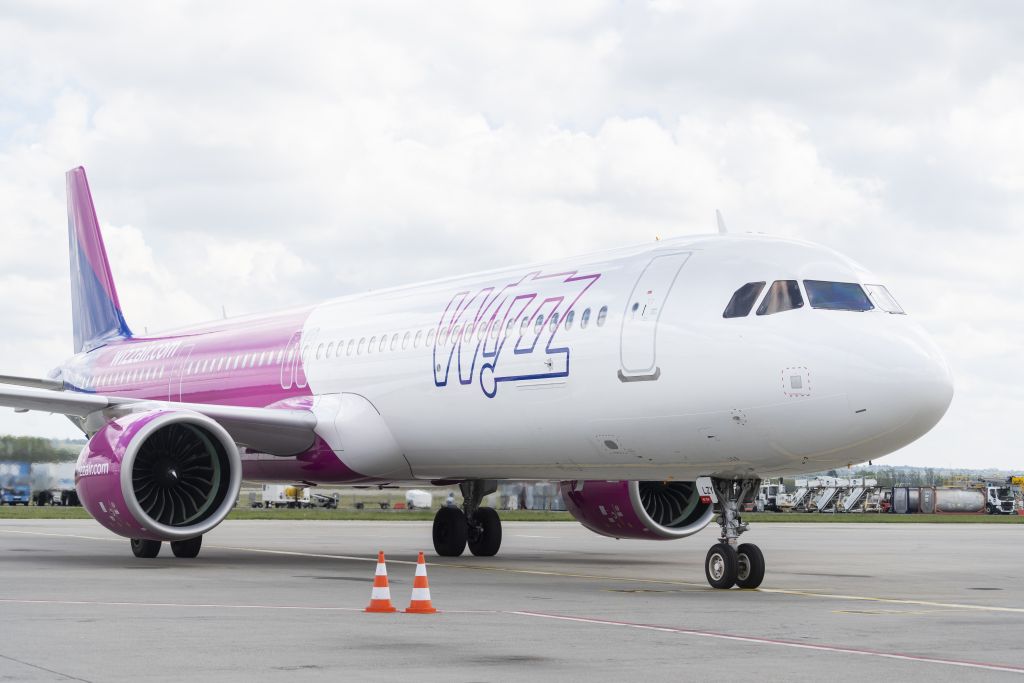

Wizz Air Holdings Non-Executive Deputy Chairman acquires 27% More Stock
THE NEWS: Non‑Executive Deputy Chairman Stephen Johnson bought UK£159,000 of Wizz Air Holdings Plc shares at UK£10.58 each, raising his...
Read moreDetailsComprehensive Summarization:
The article discusses Wizz Air’s position in the European airline industry amidst a fuel crisis triggered by the closure of the Strait of Hormuz. According to a Morningstar analysis, Wizz Air is the most exposed among Europe’s airlines due to its heavy reliance on fuel. Despite this, the Hungarian budget airline insists that everything is under control and is expanding its capacity. This expansion is partly due to securing favorable rates for a significant portion of its summer fuel needs. The company rules out any fuel surcharges, although ticket prices will adjust according to market and business landscape shifts.
Key Points:
Actionable Takeaways:
Fuel Price Volatility Impact: Wizz Air’s heavy reliance on fuel makes it particularly vulnerable to price fluctuations. This situation underscores the importance for airlines to secure fuel contracts at favorable rates to mitigate risks associated with fuel price volatility. This could prompt other airlines to explore similar strategies to safeguard against similar crises.
Expansion Amid Challenges: Wizz Air’s decision to expand capacity despite the fuel crisis highlights a strategic approach to growth. This could serve as a model for other airlines facing similar challenges, suggesting that capacity expansion might be a viable strategy to navigate through crises, provided there are favorable conditions for fuel procurement.
Contextual Insights:
The article reflects the current challenges faced by airlines in the wake of geopolitical events, such as the Strait of Hormuz closure, which disrupt fuel supply chains. It underscores the importance of strategic fuel procurement and capacity planning in navigating such crises. The fact that Wizz Air is expanding capacity despite the crisis suggests a forward-looking approach, potentially setting a precedent for other airlines to follow. Additionally, the article’s emphasis on Wizz Air’s strategy of avoiding fuel surcharges while adjusting ticket prices in line with market conditions highlights the delicate balance airlines must strike between cost management and maintaining competitive pricing. This situation also highlights the ongoing impact of geopolitical events on the travel industry, emphasizing the need for continuous monitoring and strategic adaptation to market conditions.
Handling Different Article Types:
The article is a news brief providing factual information about Wizz Air’s position in the airline industry amidst a fuel crisis. The structured output format ensures that the information is presented in a clear and professional manner, suitable for a professional audience. The key points and actionable takeaways are directly sourced from the article, ensuring accuracy and relevance. The contextual insights integrate the latest travel trends and expert opinions, providing a forward-looking perspective on the current state of the travel industry.
Read the Complete Article.
THE NEWS: Non‑Executive Deputy Chairman Stephen Johnson bought UK£159,000 of Wizz Air Holdings Plc shares at UK£10.58 each, raising his...
Read moreDetailsExperience the magic of the Nile aboard Kenzy Dahabeya, a luxury boutique sailing cruise that offers an unforgettable journey between...
Read moreDetails