



















Travel Capitalist Ventures Expands Check Size to $10 Million to Deepen Emerging Market Conviction
Boutique Travel VC raises investment cap from $1.5M to $10M to lead rounds and support portfolio companies through growth Travel...
Read moreDetails
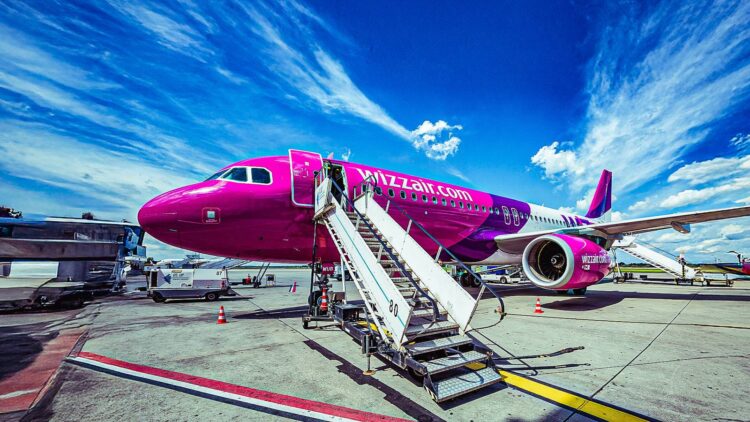
Wizz Air Celebrates Milestone Delivery With Special Livery
Article Summary:
Wizz Air, one of Europe’s most recognizable airlines, has recently celebrated the arrival of its 250th aircraft, marking a significant milestone on its journey towards a fleet of 500 aircraft. This development underscores the airline’s continued growth and expansion across Central and Eastern Europe, positioning Wizz Air as the fastest-growing European airline and a dominant force in aviation within the region.
Key Points:
Actionable Takeaways:
Contextual Insights:
The article’s context is deeply rooted in the ongoing growth and expansion of Wizz Air within Central and Eastern Europe. This growth is not only a testament to the airline’s strategic vision but also reflects broader trends in the European aviation sector, where rapid expansion and technological advancements are key drivers of market leadership. The focus on modern, fuel-efficient aircraft like the A321neo aligns with the industry’s push towards sustainability and efficiency, an area where startups and tech companies are increasingly innovating. For professionals in the travel industry, understanding these dynamics is crucial for anticipating market shifts, identifying emerging opportunities, and adapting strategies to remain competitive in a rapidly evolving landscape.
Read the Complete Article.
Boutique Travel VC raises investment cap from $1.5M to $10M to lead rounds and support portfolio companies through growth Travel...
Read moreDetails




