

















Travel Capitalist Ventures Expands Check Size to $10 Million to Deepen Emerging Market Conviction
Boutique Travel VC raises investment cap from $1.5M to $10M to lead rounds and support portfolio companies through growth Travel...
Read moreDetails

Wizz Air to scrap Gatwick-Vienna route as Austria base closes
Article Summary:
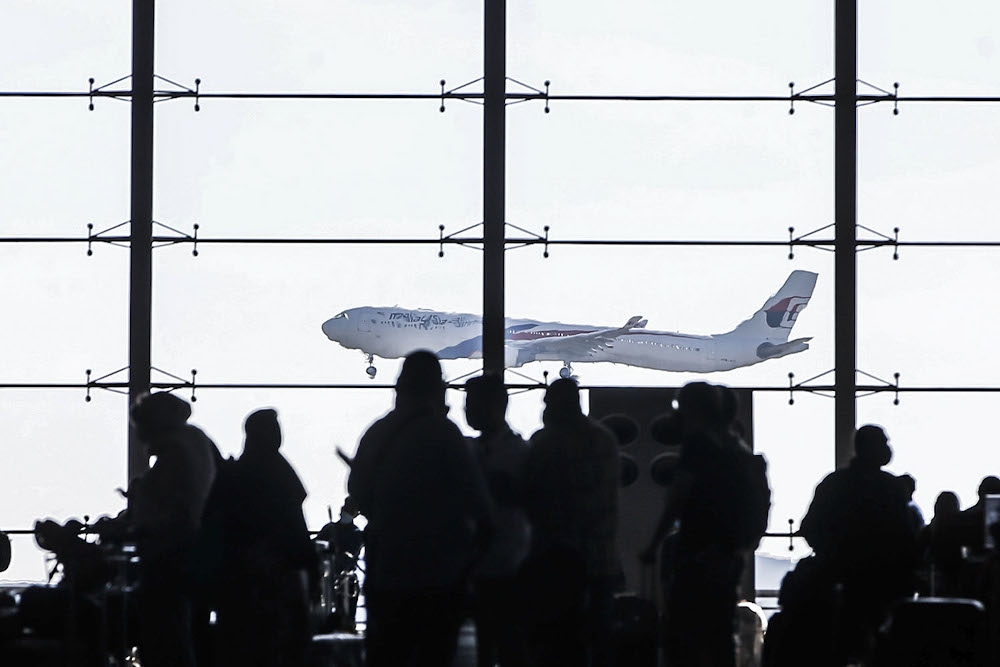
Wizz Air has confirmed that the software update required by Airbus has been successfully implemented overnight on all of its affected Airbus A320 aircraft. This update ensures that all flights scheduled by Wizz Air for Saturday, November 29, are expected to operate as normal, with the carrier anticipating no further disruption due to the issue. The European Union Aviation Safety Agency (EASA) issued an instruction on Friday evening that prompted this confirmation.
Key Points:
Actionable Takeaways:
Contextual Insights:
The successful implementation of the Airbus software update by Wizz Air reflects a broader trend in the travel industry towards leveraging technology to enhance operational efficiency and safety. As the industry continues to evolve, the integration of advanced software solutions becomes increasingly vital. This trend is supported by recent insights from travel tech thought leaders who advocate for the adoption of innovative technologies to streamline operations and improve passenger experiences. The article also aligns with the growing emphasis on regulatory compliance and safety in aviation, as highlighted by experts in the field. These insights suggest that the travel industry is moving towards a more technology-driven future, where proactive measures such as software updates play a pivotal role in maintaining operational excellence and ensuring passenger safety.
Read the Complete Article.
Boutique Travel VC raises investment cap from $1.5M to $10M to lead rounds and support portfolio companies through growth Travel...
Read moreDetails




