








No products in the cart.
- Latest
- Trending


Reduced air connectivity isolates the region, affecting tourism and trade, while domestic travel and collaboration offer recovery opportunities
The Asia-Pacific region is actively charting a course to fully restore air connectivity and reclaim its position as a global tourism powerhouse. Facing unique post-pandemic challenges, the region is now prioritizing collaborative initiatives aimed at streamlining travel and boosting economic recovery. For travel industry professionals, understanding these shifts is crucial for navigating the evolving landscape and capitalizing on future growth.
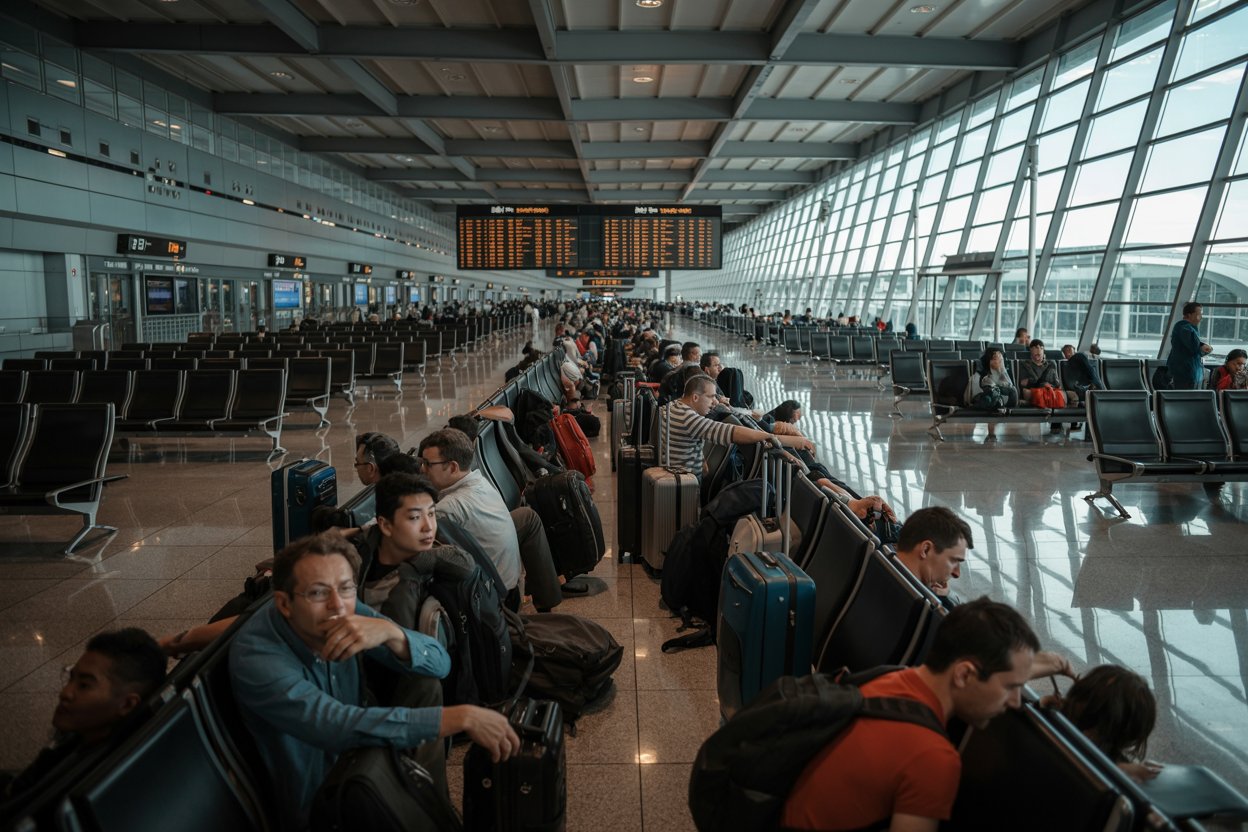
Unlike Europe and North America, which have witnessed more robust travel rebounds, Asia-Pacific’s recovery has been notably slower. This lag is largely attributed to a complex web of restrictive visa policies and disparate entry requirements across various nations. Such fragmentation creates significant bottlenecks for international travelers, hindering the seamless flow essential for a vibrant tourism and business environment. The industry recognizes that overcoming these hurdles requires a concerted, multilateral approach.
A core focus of the region’s strategy is the implementation of more unified visa frameworks. Discussions are actively advancing on the concept of an ASEAN common visa, which would allow visitors to travel across multiple Southeast Asian countries with a single entry permit, mirroring the success of Europe’s Schengen Area. Simultaneously, there’s a strong push to expand the scope and accessibility of the APEC Business Travel Card, aiming to simplify business travel for a broader range of professionals across APEC economies. These initiatives are designed to dismantle bureaucratic barriers, enhance traveler convenience, and directly stimulate both leisure and business travel.
Beyond visa simplification, digital transformation is paramount. Industry stakeholders are advocating for enhanced digitalisation of passenger data, including the adoption of digital health certificates and robust pre-arrival information systems. These technologies promise to expedite border clearances, improve security protocols, and create a more touchless, efficient passenger journey, moving away from cumbersome manual processes. Organizations like IATA are championing a global framework for digital identity and seamless data exchange, essential for modernizing the travel ecosystem.
The success of these policy and technological advancements is intrinsically linked to the restoration of air connectivity. Airlines are pivotal in rebuilding and expanding direct flight routes, increasing seat capacity, and ensuring competitive fares. This synergy between simplified entry processes and a comprehensive flight network is fundamental for reinvigorating regional tourism and trade. Industry bodies such as UNWTO and PATA are actively supporting these efforts, emphasizing the importance of sustainable growth and cross-border cooperation to achieve the region’s full tourism potential. For travel professionals, these developments signal a future with greater market access, improved passenger experiences, and enhanced opportunities for diversified travel offerings.
Key Points
Read the Complete Article.
Get curated travel AI insights — choose the newsletters that matter to you.
ALTOUR Expands into Thailand, Strengthening Corporate Travel Network Across Southeast Asia BANGKOK, THAILAND (25 March, 2026) – ALTOUR, a leading...
Read moreDetails


Beijing — 2023-10-01 In short: Fliggy, Alibaba's travel platform, launches AI-powered travel concierge to streamline planning and on-the-road assistance. Fliggy...
Read moreDetails