




No products in the cart.
- Latest
- Trending

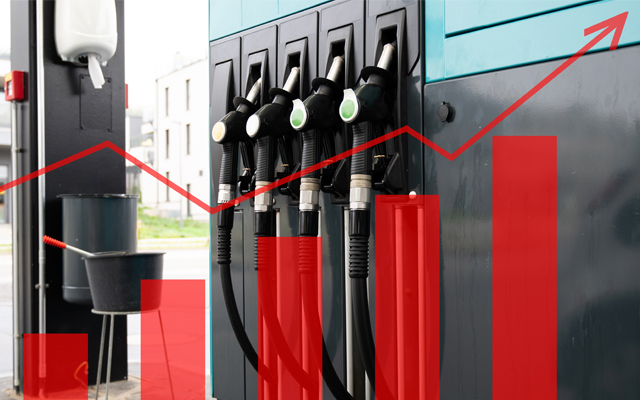
Rising fuel prices driven by Middle East tensions are increasing transport costs and disrupting tourism operations in parts of Asia
Comprehensive Summarization:
The article discusses the significant impact of the escalating US-Israel-Iran war on Asia’s tourism businesses, particularly due to disruptions in Middle Eastern energy infrastructure and oil exports through the Straits of Hormuz. Prior to the conflict, Brent crude was priced around US$71 a barrel, but it surged to over US$112 a barrel by March 23. This price hike is attributed to the ongoing crisis, which the International Energy Agency chief, Fatih Birol, described as worse than the 1970s oil shocks and the Russia-Ukraine war. Birol emphasized that Asia-Pacific is facing the brunt of the oil crisis due to its heavy reliance on oil and other crucial products like fertiliser and helium, which transit through the Strait of Hormuz. The article underscores the severe economic threat posed by the crisis and its implications for global travel and logistics.
Key Points:
Actionable Takeaways:
Contextual Insights:
The article reflects the current state of the travel industry under the shadow of geopolitical tensions and their direct impact on energy markets. The surge in oil prices is a direct consequence of the conflict, which has disrupted traditional supply routes and heightened global energy costs. This situation is particularly relevant for the travel industry, which is heavily dependent on stable and predictable fuel prices for operational efficiency and pricing strategies. The insights provided by Fatih Birol highlight the severity of the crisis, emphasizing the need for the travel sector to adapt swiftly to these changing conditions. The emphasis on diversifying supply chains and investing in sustainable travel solutions aligns with broader industry trends towards resilience and sustainability, offering actionable strategies for travel businesses to navigate the current challenges.
Read the Complete Article.
Get curated travel AI insights — choose the newsletters that matter to you.
This spot is reserved for brands with a compelling story for the travel trade. They use this space to cut...
Read moreDetailsTravel One Technologies launches the world’s first Traveler DNA Platform, targeting the structural data gap at the core of an...
Read moreDetails